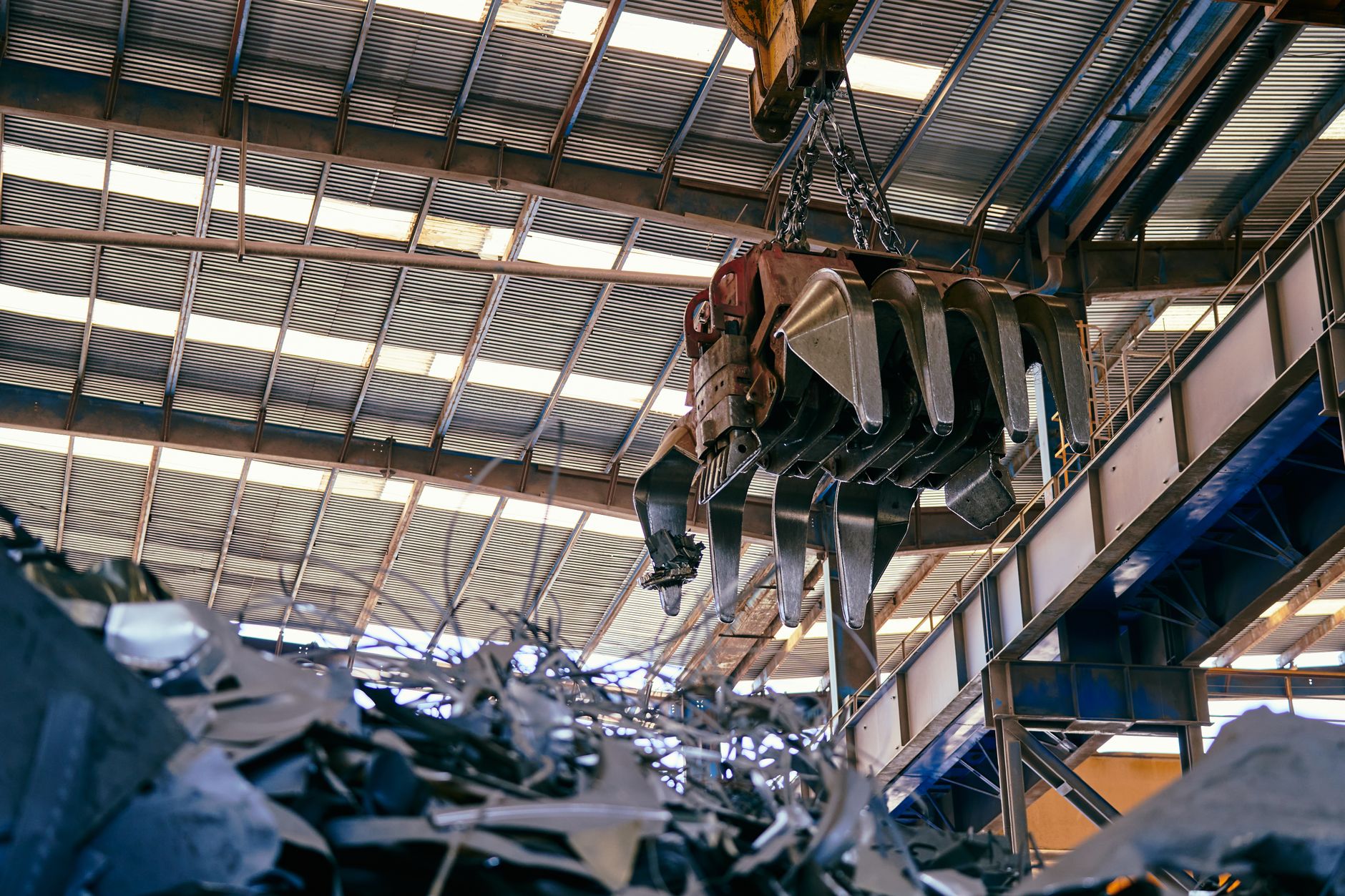
A waste-to-energy plant receives highly variable material every day. Bags, metals, bulky waste, and potentially hazardous objects enter a process where knowing the stream's composition can improve safety and efficiency. Yet a significant share of these facilities still relies on manual checks and incomplete information. Jaipur Robotics wants to turn what passes in front of cameras into a continuous stream of data.
The Swiss startup based in Lugano has raised €4.3 million in a seed round led by EquityPitcher Ventures and High-Tech Gründerfonds. According to the company, there are over 3,100 waste-to-energy plants worldwide, within a market it values at around €40 billion.
Waste is an unpredictable industrial input
A conventional power plant knows precisely what fuel it uses. By contrast, a waste-to-energy plant operates with an input that changes constantly. Unwanted objects can damage equipment or create hazardous operating conditions, while variations in composition affect the combustion process.
Computer vision makes it possible to continuously monitor unloading and handling areas, classifying objects and anomalies that a human operator could not systematically track around the clock.
From camera to operating system
Jaipur does not position its product as a simple image recognition application, but as an operating system for the plant. The distinction matters: identifying an object is only valuable if that information is tied to an alert, a procedure, or an operational decision.
The software can thus build a historical record of the waste stream, help understand where specific anomalies originate, and automate part of the monitoring checks.
Industrial AI grows where data didn't exist before
Many generative applications build on already digital databases. In physical industries, the primary advantage of AI often lies in creating the data. A camera mounted in the right spot turns something that was previously merely observed into a measurable, queryable time series.
It is the same pattern entering agriculture, logistics, and manufacturing: relatively inexpensive sensors combined with specialized models make processes visible that were too expensive to monitor until just a few years ago.
Safety may be the most compelling use case
In processing plants, identifying problematic materials before they reach a critical phase can reduce accidents and downtime. Unlike many abstract promises surrounding AI, the return here can be measured in hours of downtime avoided, reduced maintenance interventions, and improved operational continuity.
This also aids adoption: a plant manager doesn't need to believe in a general artificial intelligence revolution; they need to see improvements in the facility's KPIs.
A global market built on existing infrastructure
Jaipur will use the new capital to expand into other regions and further develop the product. The ability to deploy software and vision systems onto already operational facilities is strategic because it avoids waiting for new infrastructure to be built.
It is another sign of AI's more grounded phase: after learning to generate text and images, algorithms are entering the economy's least photogenic corners. A waste bunker will never become as viral a demo as a humanoid robot, but it might be precisely the place where artificial intelligence generates real industrial value.


