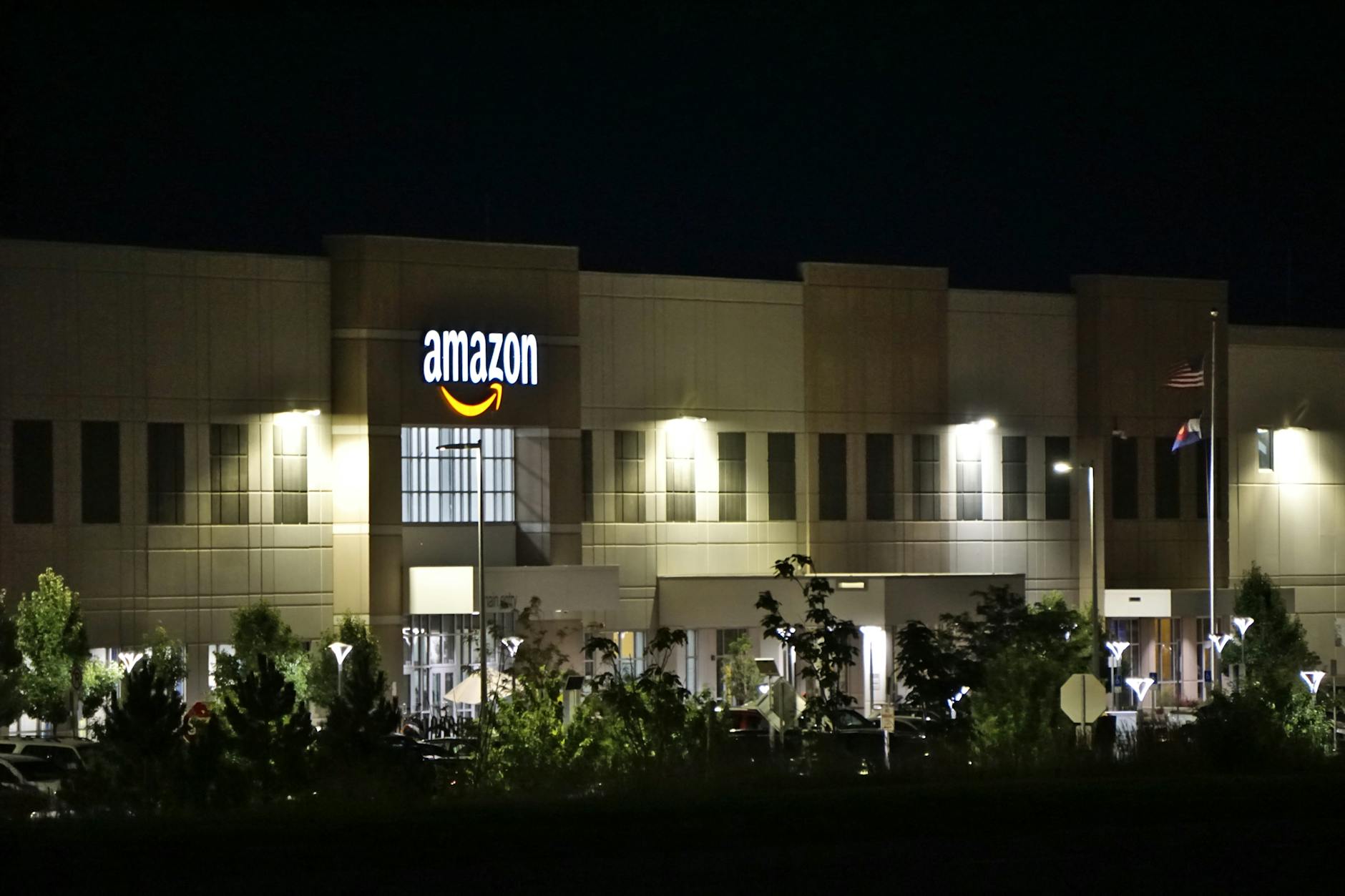
Amazon once again finds itself at the center of a legal dispute regarding conditions within its fulfillment network. Four former employees have filed a lawsuit against the e-commerce giant in the United States, alleging that the company systematically denied them basic accommodations during pregnancy, eventually firing them.
According to the complaint, the workers had requested minimal and standard accommodations prescribed by doctors or necessitated by their condition, including the ability to sit during extended standing shifts and access to additional restroom breaks. According to the plaintiffs, warehouse managers rejected these requests or made obtaining them excessively difficult, forcing them to continue physically demanding tasks without any accommodations.
The alleged violations and warehouse management
The lawsuit highlights how refusing to grant breaks and seated workstations not only defied medical advice, but also exposed the workers to concrete health risks. The four women claim that Amazon's internal management interpreted their physical needs as unjustified drops in productivity, initiating disciplinary actions against them that eventually culminated in their termination.
In the United States, federal law requires employers to provide reasonable accommodations to pregnant employees, unless such measures pose an undue hardship on the business. In court filings, the plaintiffs argue that granting brief restroom breaks or a temporary chair had a negligible impact on fulfillment operations, in no way justifying the intransigence demonstrated by local management.
The rigidity of algorithmic metrics
The case puts the spotlight back on the digital monitoring mechanisms deployed in Amazon fulfillment centers. The company has repeatedly come under scrutiny from regulators and labor unions over its strict productivity-tracking algorithms, which constantly measure worker idle time and penalize those who leave their workstations, even for biological needs.
Although the group has repeatedly stated its intention to improve the working environment and employee well-being, proceedings of this kind highlight constant friction between high-efficiency operational targets and individual protections. The outcome of the lawsuit could have significant repercussions on the company's internal protocols, forcing it to recalibrate its organizational practices to align them more transparently with pregnancy protection laws.


