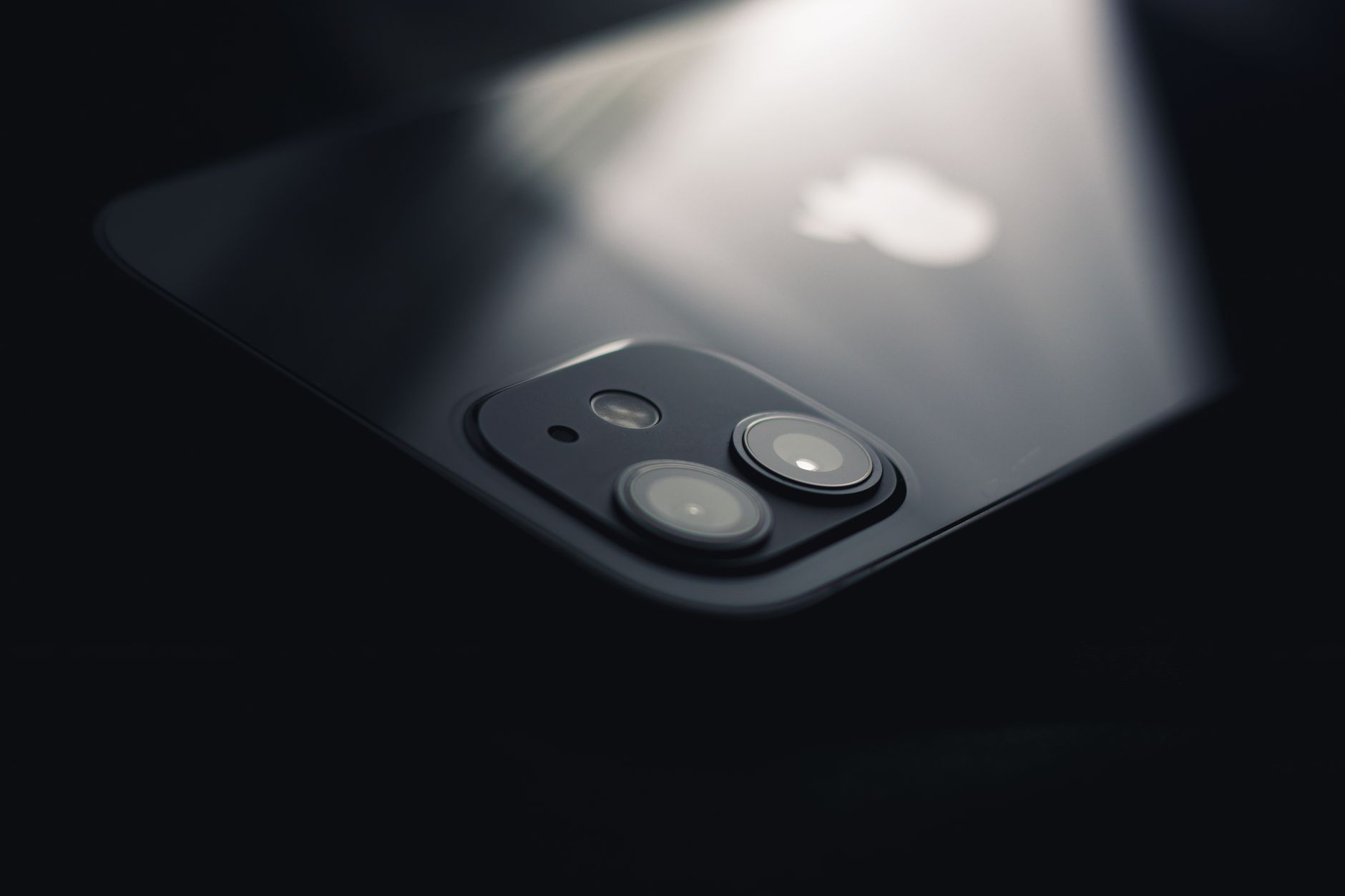
The first product event led by John Ternus as CEO of Apple marks a departure that goes beyond the arrival of new devices. Cupertino unveiled the iPhone Duo, its first foldable smartphone, and the iPhone 18 Pro family, but did not announce a standard iPhone 18. It is a notable absence because it breaks an established tradition: since 2019, iPhone Pro and mainstream models have been unveiled together in the fall and have arrived on the market within the same weeks.
The shift, long anticipated by industry analysts, outlines a potential split in the calendar. The more expensive and technologically distinct products would remain tied to the traditional fall event, while the iPhone aimed at the broader market could find a place in the spring. However, Apple has not given a date or formally confirmed the launch of a non-Pro iPhone 18 in the coming months: for now, the only certainty is that the model was not on stage at the September event.
For a company that has built much of its commercial cadence around the simultaneous launch of the iPhone lineup, the decision primarily impacts business. The fourth calendar quarter and Apple's first fiscal quarter have always coincided with the most intense sales period: the new iPhones arrive ahead of the holidays, generating a peak that other quarters can rarely match. Shifting part of the lineup to the March or April window would help smooth the steep drop-off between the holiday season and the subsequent period.
A new order in the iPhone family
The pricing structure announced by Apple suggests a very distinct repositioning. In the United States, the iPhone 18 Pro starts at $1,199, $100 more than the entry point of the previous Pro generation. Prior to the presentation, the iPhone 17 was priced at $799; after the event, according to reporting by CNBC, the listed price for that model rose to $899. Without a new standard iPhone to serve as a benchmark at the lower end, the Pro temporarily becomes the gateway to the newest generation.
This choice does not necessarily amount to a simple across-the-board price increase. Apple is balancing segments that until a few years ago were much closer together: iPhone Pro, standard models, lower-priced versions, and now a foldable. Separating their launch windows can help the company give each product a longer visibility cycle, preventing a single event from packing in too many announcements and muddying the hierarchy of the lineup.
The iPhone Duo, in particular, shifts the composition of the range. The debut of a foldable brings Apple into a category where other manufacturers have been present for years, but it arrives with a different commercial weight: the company can use the device to command the highest tier and test how much consumers are willing to pay for a form factor that has not yet become dominant in the smartphone market. Alongside the Duo, Apple showcased iPhone 18 Pro and Pro Max, the latter featuring a larger screen. The event's message is therefore aimed primarily at the premium segment, rather than the volumes traditionally driven by the base model.
Steadier revenue, but also more uncertainties
The seasonality of Apple's earnings is a direct consequence of the iPhone calendar. The first fiscal quarter, which includes the holiday season, is typically when the company reports its strongest results, while the following two quarters slow down. A new, more affordable iPhone in the spring could stimulate purchases during a quieter period of the year and better distribute revenue across quarters.
This is the assessment shared by Francisco Jeronimo, vice president at research firm IDC: a split launch strategy can offer greater revenue stability over the course of the year. For Apple, the advantage would not be purely accounting. A spring unveiling would give carriers, retail channels, and trade-in campaigns more breathing room to focus on a single model, after months in which the Pros and the foldable would have already absorbed market attention.
Several limitations remain, however. The standard model has historically been essential for capturing users upgrading their smartphone without seeking professional features or price tags beyond the thousand-dollar mark. Staggering its launch from that of the Pro models could lead some customers to buy the previous year's model, wait, or turn to a competitor. Furthermore, Apple will need to clearly explain the distinction between a generation rolled out in stages and a lineup that, in the eyes of consumers, might appear incomplete for several months.
Then there is the issue of inventory management. In traditional cycles, the fall launch concentrates production, distribution, and demand within a few weeks. Two annual events can ease the burden on certain processes, but they demand more accurate forecasting and more complex coordination with suppliers and retail partners. The advantage of more consistent revenue will therefore have to be weighed against operating costs and execution risks.
Component pressure on the new price list
The shakeup comes as Apple grapples with tight supplies of memory and other components. In June, the company had already raised prices on Mac and iPad in response to a global shortage; Tim Cook, then CEO, had called the situation unsustainable. During the earnings call in July, Apple also signaled that supply constraints would tighten further in the September quarter.
Against this backdrop, the wider gap between launches may also serve an industrial purpose. Spreading products with different price points, volumes, and components over time potentially allows for better supply chain planning. There is no indication that the absence of the standard iPhone 18 was directly caused by shortages, and it would be inaccurate to frame it as an automatic consequence. Yet the confluence of component pressures, price increases, and a new timetable makes the situation far more delicate than a routine lineup refresh.
For Ternus, who replaced Cook at the helm of Apple on September 1, the first showcase was therefore not just the debut of iPhone Duo. The company staged a transformation of the way the iPhone enters the market. The next step will be to see if and when the standard model arrives, at what price, and with what differences compared to the Pros. The viability of the new architecture will depend on those answers: a broader lineup distributed throughout the year can sustain margins and sales continuity, but it must remain understandable to the audience that made the iPhone Apple’s primary economic engine.


