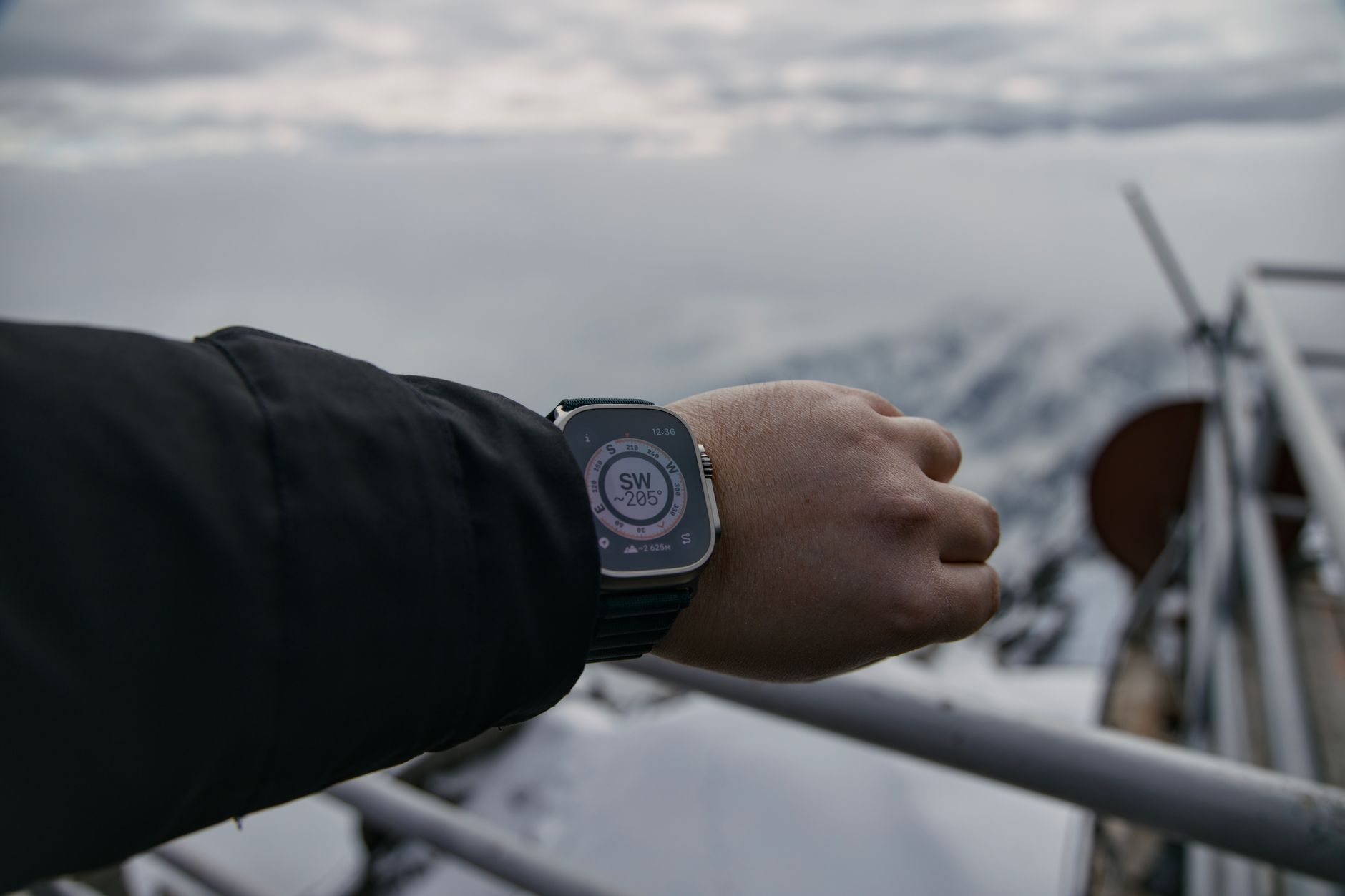
During its recent launch event, Apple announced the arrival of its new smartwatch lineup, comprising Apple Watch Series 12 and Apple Watch Ultra 4. The annual refresh of Cupertino's wearable ecosystem does not upend the formula established over the years, but it introduces a series of targeted refinements, with a particular focus on intelligent data processing and continuous monitoring of biological parameters.
Sensor evolution and new health features
The core of the updates lies in the biometric department. Both Apple Watch Series 12 and the Ultra 4 variant benefit from a revamped architecture for their built-in sensors. Physical activity tracking and vital signs monitoring take another step forward, ensuring more responsive and accurate readings compared to the previous generation. While last year's models already delivered high standards for fitness tracking and the detection of cardiac or respiratory anomalies, the new components reduce background noise in readings during intense activity or nighttime rest.
Alongside internal hardware changes, there is a notable update in terms of materials: Series 12 reintroduces the ceramic case option, a finish favored by users on past models for its scratch and wear resistance, which had been absent from recent lineups.
Audio transcriptions and on-device artificial intelligence
The integration of artificial intelligence capabilities represents one of the most distinctive aspects compared to the previous generation. The new devices now incorporate audio recording tools capable of generating automatic transcriptions and quick summaries directly from the wrist. This feature allows users to dictate notes, reminders, or voice memos, leaving the system to extract key points without requiring an immediate handover to iPhone.
Local processing of these tasks highlights Apple's drive to make the smartwatch an increasingly standalone device for daily interaction and light productivity. The ability to summarize voice memos demonstrates how wearable microprocessors have achieved the compute power required to support workloads tied to miniaturized language models.
For owners of a recent model, upgrading to the new versions represents an incremental update: the overall interface and key metrics remain consistent with the past. However, for users seeking greater biometric accuracy or who routinely use voice to manage their daily tasks, the additions to Series 12 and Ultra 4 mark a concrete and tangible step forward in the everyday user experience.


