BMW is preparing to expand its driving assistance from highways to urban traffic. The debut is planned for 2027, initially in Germany and then in other markets, with a system that will use the car's built-in navigation to support the driver along the entire route, including city streets.
The update does not turn the car into an autonomous vehicle: BMW explicitly classifies it as Level 2 under the SAE classification. This means the car can simultaneously control steering and speed, but whoever is in the driver's seat must monitor what is happening, maintain control of the vehicle, and be ready to intervene immediately. It is a crucial distinction, especially when driving assistance enters the most unpredictable environment for a car: the city.
From highway ramps to intersections
The system planned by BMW combines GPS navigation data with the assistance functions already available on board. It will be able to steer, accelerate, and brake on both highway stretches and local roads. In urban environments, the Bavarian automaker lists lane changes, turns, yielding right-of-way to other vehicles, and navigating roundabouts among the supported maneuvers.
This is not merely adaptive cruise control extended to more roads. The goal is to enable the assistance system to follow a route and handle actions that depend on lane geometry, the selected path, and other vehicles present. Yet, it is precisely these scenarios that make urban driving more complex than highway driving: intersections, mixed traffic, and interactions with other road users demand continuous assessments.
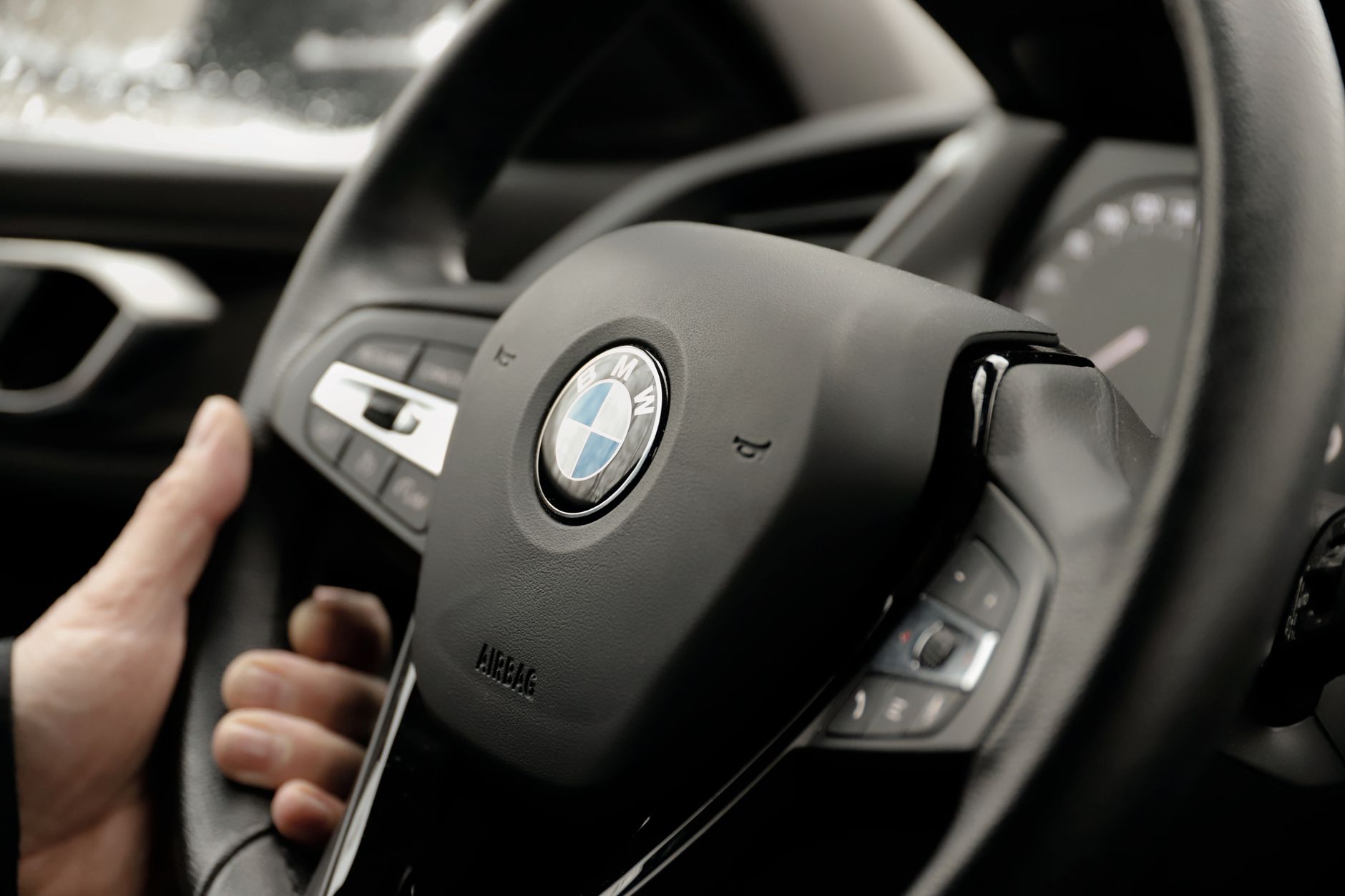
For this reason, BMW will apply different operating rules depending on the road type. On highways, drivers will be allowed to take their hands off the wheel under conditions permitted by the system. In the city, however, they must keep their hands on the wheel. Visual attention to the road and readiness to resume control remain mandatory at all times.
A software update for pre-equipped models
BMW intends to make the new feature available via an over-the-air update on selected models. The strategy assumes that part of the necessary hardware is already installed: cameras and sensors are present, among others, on the BMW Serie 3, Serie 7, X5, iX3, and iX4. However, actual availability will depend on the vehicle's configuration and the market in which the feature is marketed.
Remote updates are significant because they shift the car's value toward post-delivery software as well. A vehicle that has already been purchased and equipped with compatible components can receive additional capabilities without a physical visit to a workshop. In the case of urban assistance, this approach enables BMW to roll out the feature gradually, starting with its domestic market, and to adapt it to regulatory conditions in other countries.
The German automaker also claims to have designed the system to work alongside the driver, without counteracting their inputs. Drivers will be able to correct trajectory, brake, or accelerate whenever they deem it necessary without necessarily having to deactivate the assistance. Inside, information gathered by the vehicle and actions taken by the system will be displayed via the head-up display and a three-dimensional map on the central display.
This visualization component does not remove the supervision requirement, but rather aims to make it clearer what the car is doing and why it is preparing a given maneuver. This is a particularly sensitive aspect in Level 2 systems: the driver needs to understand when the assistance is active, what its limitations are, and when intervention is required.
The race for urban assistance and the comparison with Tesla
The announcement places BMW in the race for advanced urban driver assistance features, an area where Tesla has already built a significant part of the narrative around Full Self-Driving, or FSD. However, the comparison should be treated with caution: the fact that a system handles turns, lanes, and roundabouts does not mean it can replace the driver. In BMW's case, the company emphasizes the Level 2 boundary and retains an active role for the driver, particularly away from highways.
The spread of hands-free highway features has raised customer expectations, making urban driving the logical next step for many automakers. But increased capabilities come with communication risks: the more capable a car appears when performing complex maneuvers, the more critical it becomes that drivers do not mistake assistance for autonomy. The industry is already under growing scrutiny regarding the safety of Level 2 systems and how they are marketed to the public.
BMW reaches this milestone following the launch of its next-generation Neue Klasse platform, which includes a driver assistance system powered in part by Qualcomm technology. The expansion planned for 2027 signals the group's strategic direction: evolving onboard electronics and software to cover a wider range of driving scenarios, without altering the driver's legal responsibility.
Several concrete details remain to be clarified: BMW has not yet specified the full lineup of supported models, which countries will follow Germany, or the market-by-market rollout schedule. Local regulations will also play a decisive role, as the deployment of advanced assistance features depends on approvals and regulatory requirements within individual jurisdictions.
For now, the messaging remains more measured than the list of automated maneuvers might suggest. Starting in 2027, BMW aims to enable vehicles to follow a route even in urban environments, controlling steering and speed, while driving remains firmly a human responsibility. This boundary will ultimately determine the system's real-world utility: easing repetitive tasks without tempting drivers to delegate more control than technology and regulations allow.


