The tech war between the United States and China is often told through GPUs, lithography machines, and fabs. Yet an advanced industrial supply chain can also depend on materials that seem mundane.
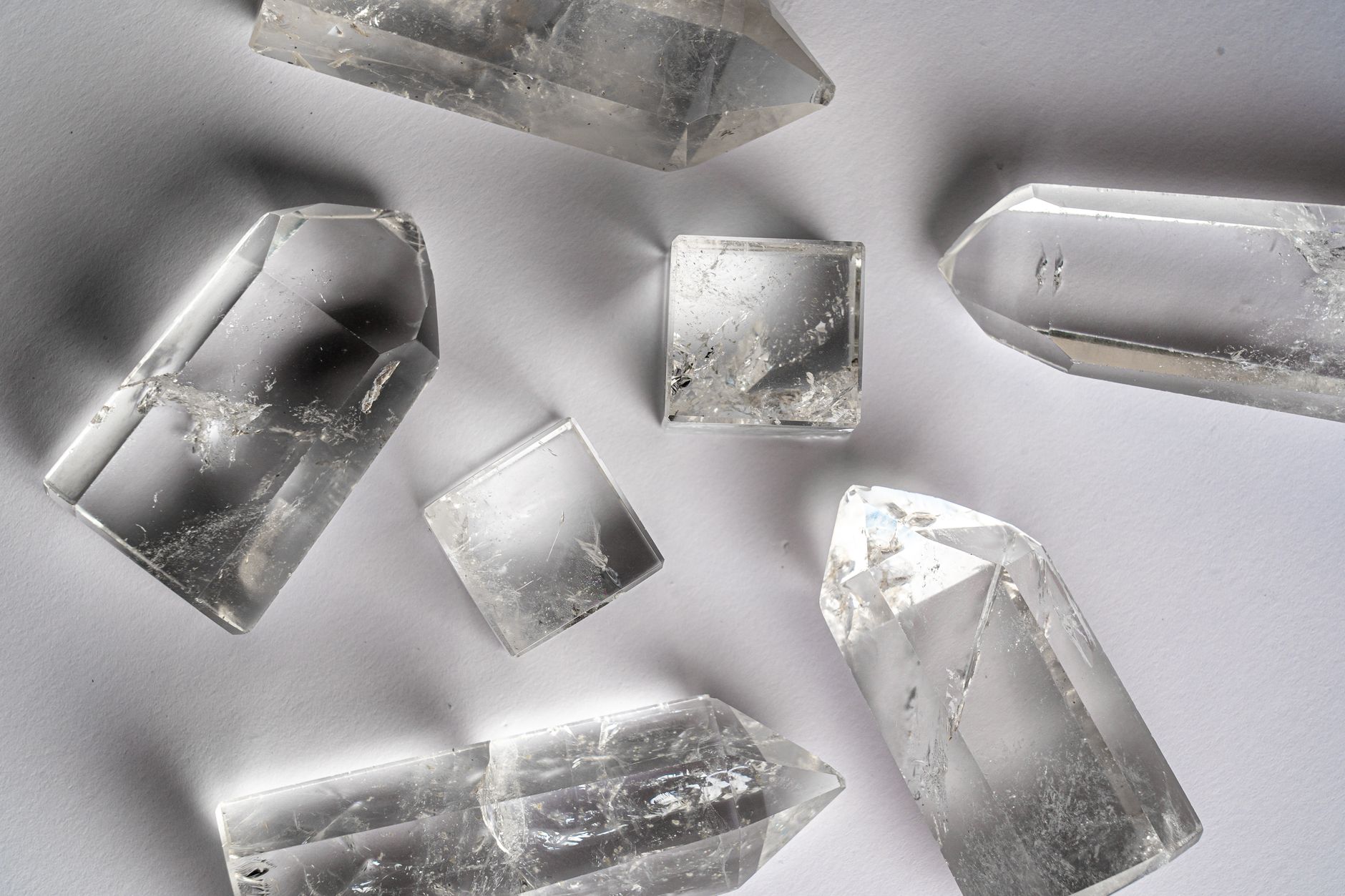
Tom’s Hardware reported on Chinese progress in qualifying quartz for equipment and DRAM production, while emphasizing that the ultra-pure material tied to the American region of Spruce Pine retains a role that remains difficult to replace in certain applications.
A chip is born long before the fab
Manufacturing semiconductors requires materials with extraordinary levels of purity. Minuscule contaminants can compromise processes operating on microscopic scales.
Quartz goes into components and crucibles used throughout the silicon supply chain. Its quality is not interchangeable like that of an ordinary raw material.
Geopolitics hunts for bottlenecks
Nations do not need to dominate every stage of a supply chain to wield power. Controlling a single component that is hard to replace is enough.
ASML in lithography, certain Japanese companies in materials, and the United States in specific segments show just how much the industry is built on specialized dependencies.
China is building redundancy
Beijing has spent years investing to reduce its reliance on foreign technologies. Even when a domestic alternative is not yet equal to the top-tier product, it can be sufficient to keep part of production running in the event of restrictions.
Resilience comes before absolute parity.
Full decoupling remains exceptionally difficult
The semiconductor supply chain is too interconnected for any country to quickly replicate every single component. Replacing a material requires testing, certifications, and process adjustments.
This is one of the reasons tech restrictions produce slow yet profound effects.
The chip race is also a race for the boring stuff
Major keynotes talk about transistors and artificial intelligence. Industrial advantage, however, can depend on mines, gases, chemicals, filters, and materials consumers will never hear named.
Quartz is a reminder that technological sovereignty is not built solely by designing the best processor. It is built by controlling enough links in the chain to keep producing it when politics decides to close a door.


