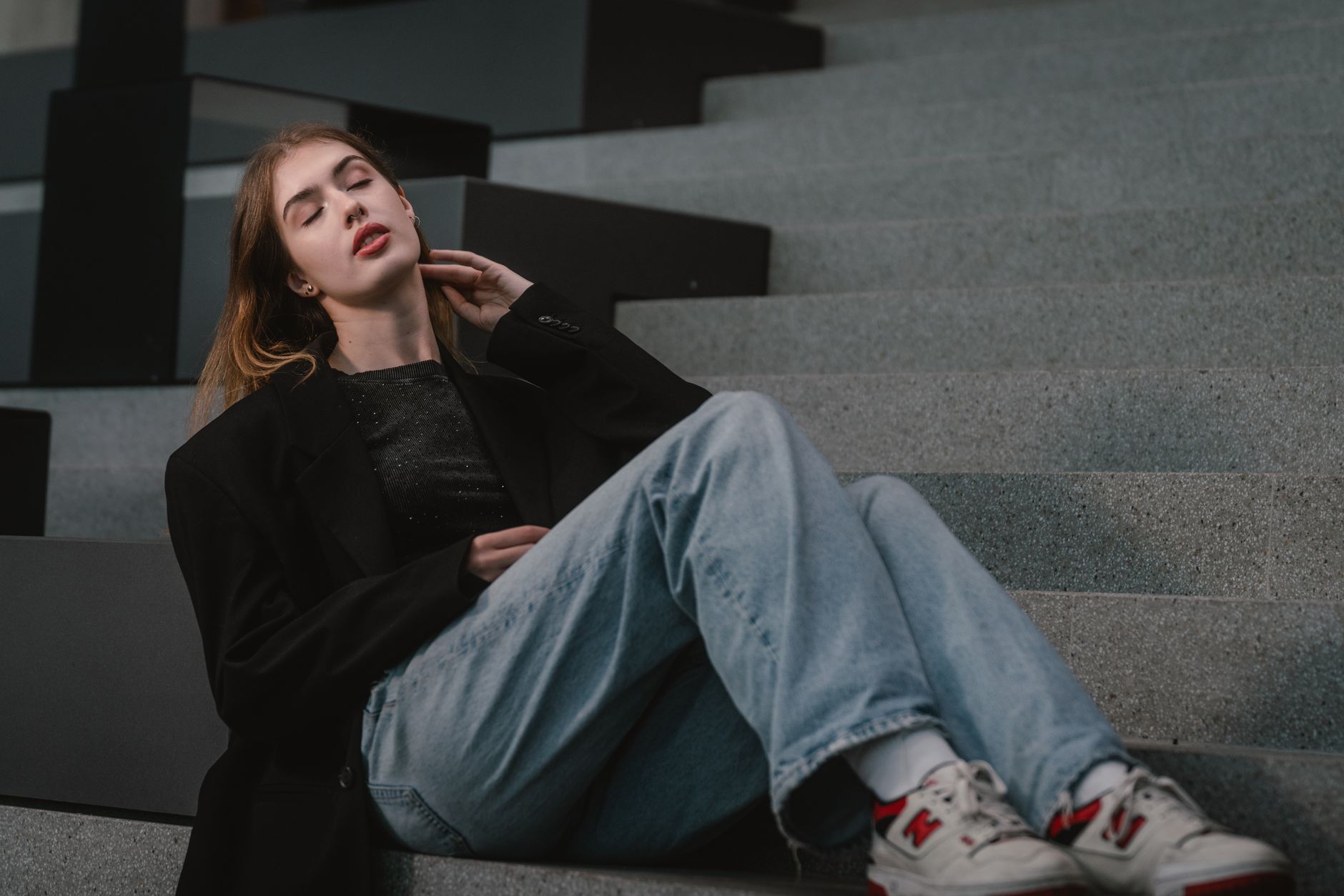
There comes a point when an outfit stops looking stylish and starts looking staged. Not because anything is wrong with it, but because every single detail seems overly self-conscious.
In recent years, a corner of contemporary style has aimed for the exact opposite: looking sharp without seeming calculated, sophisticated without feeling formal.
Elegance has shifted its tone
Attention to detail hasn’t disappeared—the way it is showcased has simply changed. Better fabrics, precise proportions, thoughtful color palettes, but fewer explicit signals of formality.
A tailored jacket can work with a T-shirt, wide-leg trousers with a sneaker, a dress shirt with denim. Contrast becomes part of the design language.
Effortlessness is the real luxury
When everything feels overly coordinated, an outfit risks turning into a costume. Effortlessness, on the other hand, signals confidence: there is no need to prove you are well-dressed; you simply are.
Naturally, it is an engineered effortlessness. That is fashion's central paradox: achieving the most spontaneous look often requires far more thought than a purely formal one.
Proportions matter more than logos
The difference rarely comes down to the brand name; it hinges on how pieces come together. Lengths, volumes, silhouettes, materials. A minimalist outfit can look vastly more compelling than an expensive one if the proportions hit the right balance.
This is also why contemporary style has become harder to replicate simply by buying off a product list. Two people can wear virtually identical pieces and achieve entirely different results.
Looking “overdressed” is a matter of context
The exact same blazer can be spot-on at dinner yet feel excessive in a casual setting. Style is never entirely detached from its environment.
Dressing well therefore also means reading the room and deciding how much contrast to introduce. Not to blend in, but to ensure the clothes don't steal the entire spotlight.
Perhaps this is the most intriguing form of elegance today: being instantly recognizable without looking as if you are in costume as a more dressed-up version of yourself.
Effortlessness often stems from more attention, not less
Casual elegance works when proportions, materials, and context are in sync. A simple, well-cut garment can look far more sophisticated than an overtly engineered ensemble, precisely because it isn't constantly demanding to be noticed.
This approach is part of a broader shift: durability and quality are once again becoming explicit criteria in European regulation as well. The EU strategy for textiles aims by 2030 for products that are durable, repairable and recyclable, and for a market where reuse and repair services are economically viable.
Dressing well without looking “overdressed” does not mean choosing anonymous garments. It means shifting the focus from the immediate signal to the construction: fit, fabric, footwear, length, layering. When these elements work, the overall look can feel effortless precisely because it does not need to broadcast the effort behind it.


