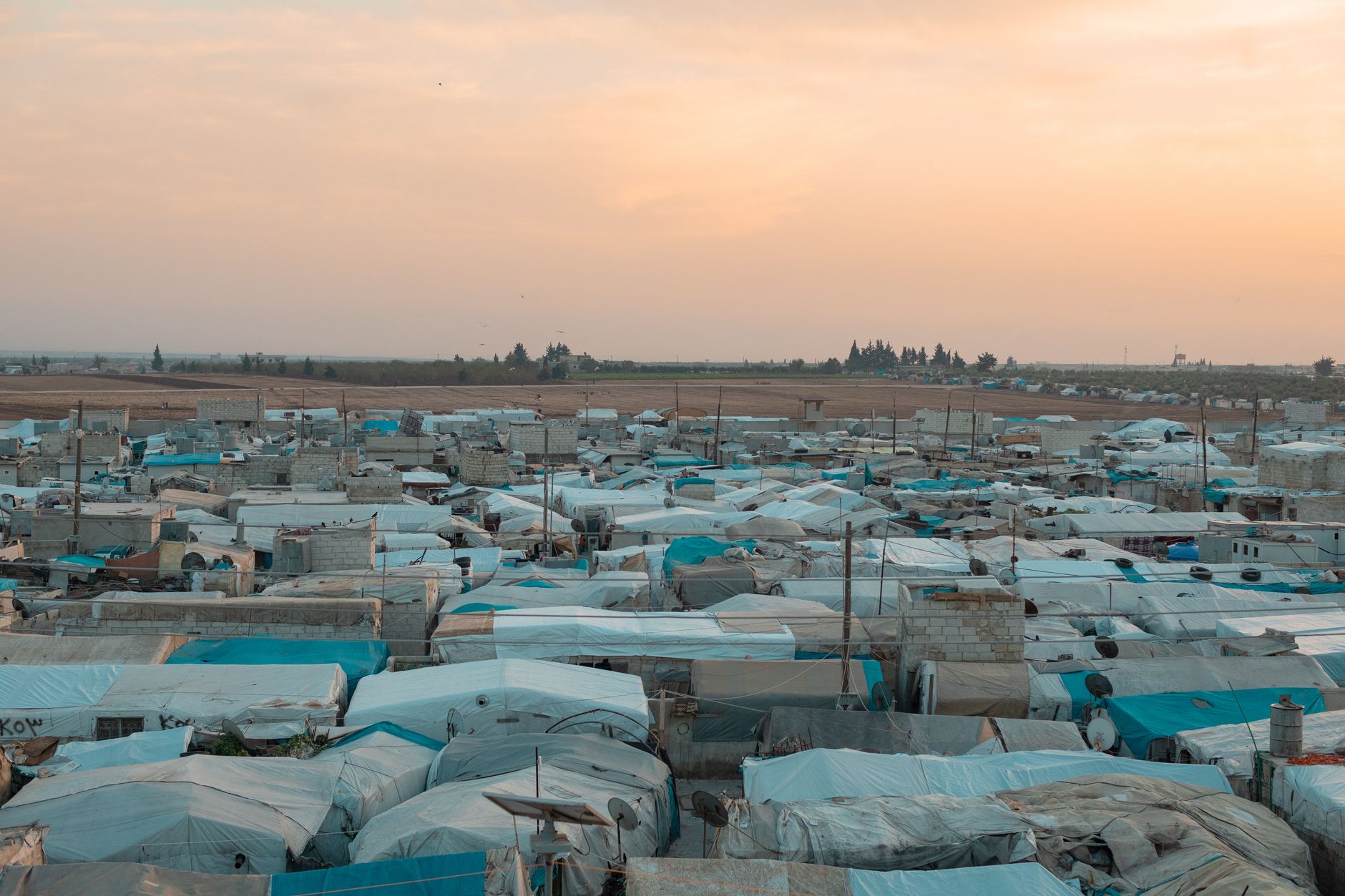
Heavy rainfall over the weekend turned displaced persons camps across the Gaza Strip into an even wider emergency. According to the local government run by Hamas, approximately 70,000 tents were destroyed or flooded in various areas of the territory, from Gaza City down to Khan Yunis. For tens of thousands of people, many of whom have already lacked stable housing after years of war, the immediate challenge is finding a dry place to sleep as overnight temperatures can drop to 5 degrees.
The severe weather struck a population almost entirely reliant on temporary accommodation and external aid networks. Mattresses, blankets, and household supplies were left exposed to water and mud; tents, often already worn down and lacking adequate protective tarpaulins, offer insufficient shelter. In the Mina camp in Gaza City, home to around 1,700 displaced families, less than an hour of rain was enough to flood numerous shelters.
This goes beyond material damage. When a tent floods, the loss also impacts the ability to store food, seek shelter from the cold, and maintain minimal hygiene standards. In a territory where drinking water, healthcare services, and sanitation facilities remain limited, flooding can swiftly compound health risks and supply shortages. In Deir al Balah, in the central Gaza Strip, the collapse of a sandbank crushed several tents and resulted in the deaths of five people. The Gaza government also reported building collapses and several injuries.
A crisis built on destruction and displacement
The current vulnerability stems from the very structure of the housing crisis in the Strip. The vast majority of the more than two million residents were forced to flee their homes following the Israeli invasion that came after the Hamas attacks of October 7, 2023. More than 80% of buildings have been damaged or destroyed by bombardments and demolitions in areas controlled by the Israeli military. The result is a territory where emergency shelter, designed to last days or weeks, has become the permanent reality for a massive portion of the population.
The ceasefire in effect since October 2025 has so far failed to produce reconstruction capable of reducing this dependency. The reconstruction plan outlined in the agreement remains stalled, while Israeli military operations have not entirely ceased: their frequency and intensity have decreased, but over the past thirteen months, according to figures reported by Gaza authorities, roughly 1,580 people have died. The ongoing uncertainty of the conflict directly impacts the feasibility of building permanent housing, restoring water and sewage networks, and rebuilding logistical infrastructure.
For Gaza’s economy, this means emergency management continues to replace long-term investment. Instead of freeing up resources to revive productive activities, local trade, and essential services, families and humanitarian organizations are forced to direct personnel, materials, and funds toward replacing damaged tents, blankets, and makeshift shelters. Every extreme weather event further disrupts a fragile survival economy and deepens reliance on international aid.
Dwindling funds and materials blocked at borders
The response from international organizations is constrained by two bottlenecks: reduced funding and difficulties in getting materials across borders. Jonathan Veitch, UNICEF representative for Palestine, told the BBC that funding cuts, largely tied to reductions in US appropriations over the past year, are forcing agencies to be far more selective in choosing which areas to support. The availability of new tents and plastic sheeting—among the most critical supplies following the floods—remains limited.
Compounding the scarcity of resources are restrictions on the movement of goods. The Israeli military blocks the entry into Gaza of materials it believes could be confiscated by Hamas or repurposed for weapons manufacturing. According to aid organizations, these can include items essential for civilians. Consequently, the challenge is not just the volume of pledged aid, but its actual delivery and the time it takes to reach the affected areas.
This supply chain makes it difficult to plan a preventive winter response. Without a steady supply of tarpaulins, drainage equipment, fuel, and other basic necessities, organizations are forced to intervene only after damage occurs, distributing finite resources to a population far larger than available operational capacity. Save the Children drew attention specifically to the materials and fuel waiting at borders, while families in the camps face the fallout of the rainfall.
The economic cost of a permanent emergency
In the short term, the priority remains shielding displaced people from rain and cold. Yet the episode exposes a broader issue concerning the use of resources in the Strip and how international aid functions. Needs are not limited to distributing tents: more resilient housing, drainage systems, infrastructure restoration, and reliable supply corridors for materials and fuel are essential. Without these elements, identical emergency expenditures risk recurring with every rainy season.
The stall in reconstruction also creates a compounding effect. Unrepaired homes leave more families in camps; more crowded camps complicate aid distribution; absent or damaged infrastructure magnifies the impact of weather events that would be manageable under normal conditions. Rain is therefore not an isolated factor, but the catalyst pushing an already strained shelter and humanitarian system to the brink.
For donors and United Nations agencies, the challenge will be balancing immediate relief with the need to fund less temporary interventions. For this to happen, however, financial pledges are not enough: physical availability of goods, access to the Strip, and security conditions that allow on-the-ground operations are essential. As long as these factors remain uncertain, even a downpour concentrated over a few hours will continue to have a disproportionate impact on a population facing its third winter in camps.


