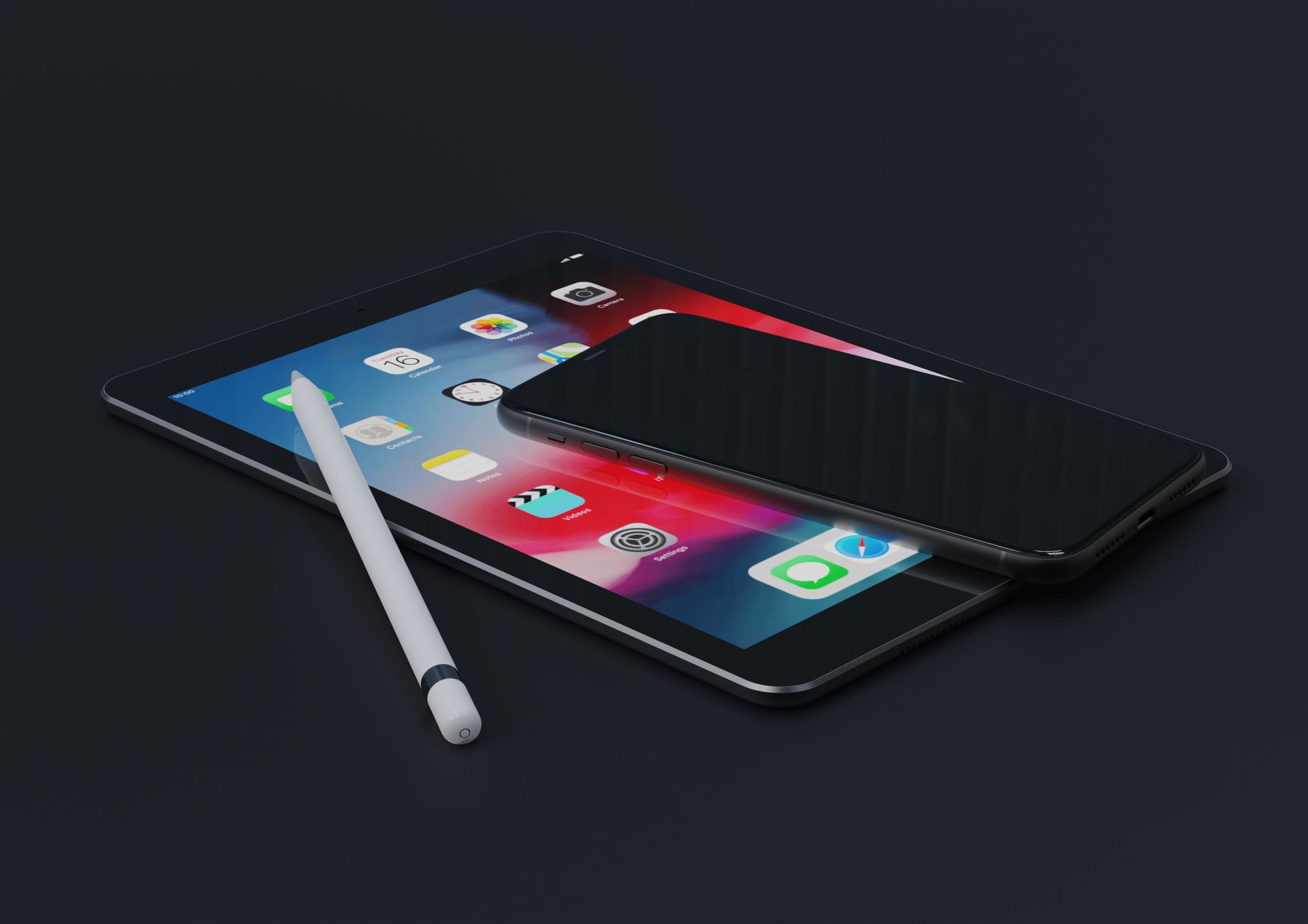
Apple has redesigned the iPad mini proposition without altering its core concept: it remains the go-anywhere tablet, compact enough to hold for extended periods and slip into a small bag, but now packed with features previously absent from the lineup. The eighth generation, powered by the A20 Pro chip, gains an 8.5-inch OLED display, IP67 water resistance, an overhauled audio system, and a hardware package that brings it much closer to higher-end models.
The flip side is the price tag. In Europe, the new iPad mini starts at €749, £200 more than the previous model's launch price in the UK. It is a threshold that shifts how the product must be evaluated: the mini is no longer merely the most portable iPad, but a premium device priced just below an 11-inch iPad Air. For those seeking a larger screen or a more traditional workhorse, comparisons within Apple's own lineup become unavoidable.
More screen, smaller footprint
The most noticeable transformation is the display panel. Apple moves to an 8.5-inch Super Retina XDR OLED with a density of 326 pixels per inch, fitting it into a chassis slightly smaller than the previous generation. Thickness drops to 5.4 mm, and weight to 255 grams for the Wi‑Fi version; the 5G model comes in at 263 grams. Compared to its predecessor, the device is roughly a millimeter thinner and 38 grams lighter, despite offering an extra 0.2 inches of diagonal screen space.
OLED is a significant upgrade on such a compact form factor. Contrast, deep blacks, and color rendering make a real difference, especially for video, photography, comics, and nighttime reading—some of the most natural use cases for a mini tablet. According to The Guardian's review, brightness and visual performance are among the device's key strengths.
Yet there is an omission that is hard to overlook for a €749 device: the display is capped at 60 Hz. Apple has not brought ProMotion to the iPad mini, meaning animations, page scrolling, and touch interactions lack the 120 Hz fluidity that many users already know from recent iPhones and other Apple products. While it does not compromise image quality, it makes the trade-off more noticeable when switching between devices during daily use.
The first IP67 protection on an iPad
IP67 certification is one of the features that truly set this model apart. It is the first iPad with formal protection against water and dust: Apple rates immersion resistance up to one meter for 30 minutes. It does not turn the tablet into an underwater device, nor does it eliminate the need for caution around liquids and sand, but it reduces the anxiety of using it near a pool, beach, or kitchen.
In a device designed for mobility, reading, and entertainment, this addition makes more sense than it might seem on a spec sheet. Small tablets are often used away from a desk and handed to children; protection that was previously missing expands the scenarios where the mini can be used with fewer worries.
Apple has also moved the 12-megapixel front-facing camera to the landscape edge. It is a practical detail: when the iPad is propped up in front of a keyboard or used for a video call, the framing now aligns with natural eye level. The rear camera is also 12 megapixels. Meanwhile, Touch ID remains in the power button, with no switch to Face ID.
Audio integrated into the screen and power from a larger model
The new speaker system follows the same pursuit of compactness. The tweeters emit sound through thin slits between the glass and the aluminum chassis, while the woofers directly leverage the display. The result reported by the review is unusually full and direct audio for a tablet of this size, with a tangible ergonomic benefit: holding the device by the sides reduces the risk of covering the sound outlets.
At the heart of the design is the A20 Pro, paired with 12 GB of RAM and storage tiers of 128, 256, or 512 GB. According to tests by the British publication, the new platform delivers fast performance and good battery life, though no numerical runtime figures are specified in the available material. For the iPad mini audience, this primarily translates to headroom for complex apps, gaming, light editing, image processing, and multitasking, rather than just improved responsiveness in basic tasks.
Connectivity has been updated to Wi‑Fi 7, Bluetooth 6, Thread, and USB‑C. Cellular models feature 5G with eSIM. Taken individually, these are not spectacular specs, but they reinforce the notion of a device designed to last and connect to the latest peripherals, networks, and accessories.
Like iPad Air and iPad Pro, the mini also supports multitasking and can be connected via USB‑C to an external monitor, keyboard, and mouse for a near-desktop experience. It is a practical option for anyone who wants a single device for taking notes, reviewing documents, and occasional work on the go. However, the size of the built-in screen remains its natural constraint: on a desk, paired with accessories and an external display, the mini can become surprisingly versatile; on its own, it prioritizes portability and viewing over extended productivity.
The price narrows the audience
The sticking point with iPad mini A20 Pro is not the quality of the upgrade. Apple addressed many of the most predictable requests: slimmer bezels and reduced weight, OLED, a repositioned front camera, more power, better audio, and IP certification. The issue lies in its price positioning. In the UK, the starting price is £270 higher than the iPad with A16 and just £50 less than the 11-inch iPad Air M4; the gap between the mini and the Air has thus narrowed just as the Air offers a significantly larger workspace.
The choice will therefore depend less on seeking the best screen-size-to-price ratio and more on the genuine need for a small iPad. Those who read extensively, take handwritten notes, travel frequently, use the tablet as a personal second screen, or prefer a device that does not require a backpack may find a rare combination in the mini. Anyone looking to study, create, or work for hours on a display without an external monitor will have solid reasons to look at the Air.
With this generation, Apple did not merely update the most compact model in its lineup: it turned iPad mini into a more complete and more expensive product, aimed at an audience willing to pay a premium for dimensions that no other iPad offers. OLED and IP67 fill key gaps; the 60 Hz refresh rate and the comparison with iPad Air, on the other hand, explain why, for many, the new mini will remain a purchase to weigh with particular care.


