For years, a significant portion of American venture capital kept defense at arm's length. Long sales cycles, a single massive public customer, complex regulation, and reputational concerns made the sector less attractive than consumer software.
That world has changed. TechCrunch reported that Mach Industries reached a valuation of $3.7 billion, roughly double its valuation three months earlier. The meteoric rise of a single startup is above all a signal of the appetite for defense tech.
Warfare has transformed military technology
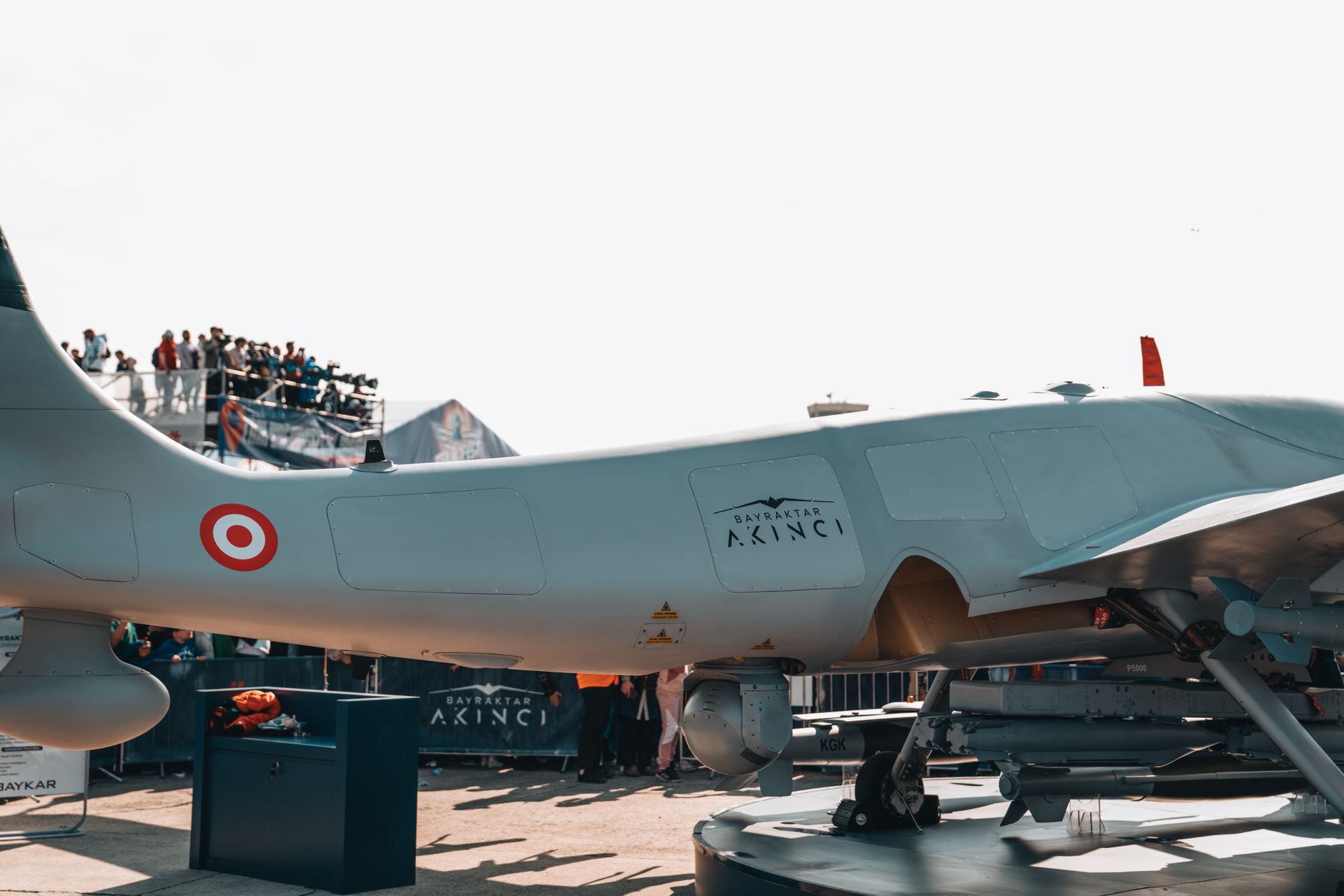
Low-cost drones, software, sensors, and autonomous systems have demonstrated that military innovation does not only mean decade-long programs and massive platforms. Rapid iteration and commercial off-the-shelf components can play a decisive role.
This brings the sector closer to the startup playbook: build, test, and iterate quickly.
The Pentagon wants to buy differently
The major hurdle remains government procurement. A startup can innovate in months, but a traditional contract can take years. In the United States, efforts have intensified to create faster pathways and work with companies outside the traditional defense primes.
Private capital is betting that this opening will become structural.
The risk is that valuations outpace revenue
Huge demand does not automatically translate into an easy market. Customers are few, politically sensitive, and constrained by public budgets. Technologies must perform under extreme conditions, and pitch-deck promises face far tougher tests than those of a consumer app.
Valuations doubling in just a few months may therefore reflect genuine opportunities, but also outsized expectations.
Silicon Valley's culture has shifted
The deepest transformation is ideological. Building for defense is no longer seen by many founders as incompatible with tech identity. On the contrary, companies like Anduril have demonstrated that a massive venture-backed enterprise can be built primarily by selling to governments.
Defense tech is becoming an established category
Mach Industries is part of this shift. If the trend continues, we will see specialized funds, AI talent, and hardware engineers move into sectors that until recently seemed peripheral.
The most important question is not just how much these startups will be worth. It is about how much of Western technological capability will be directed toward military systems, and with what consequences for civilian industry, politics, and geopolitical competition.


