The applause received by Giorgia Meloni from Carlo Calenda and part of the Partito democratico, during the speech by the presidente del Consiglio in the Senato, carries a significance that goes beyond parliamentary reporting. It does not indicate a new alliance, nor does it erase deep divisions over economic policy, institutions, and the ranking of European priorities. However, it signals that, on certain industrial and geopolitical fronts, a common language is emerging: Italy cannot treat energy, manufacturing, and strategic supplies as separate dossiers.
It is a particularly significant step within the scope of economic defense. Indeed, the raw materials needed for the energy and digital transitions are the very same that power a growing share of military capabilities: electronics, sensors, communications, space platforms, batteries, guidance systems, and advanced manufacturing. Supply chain security is no longer merely a topic for economic ministries and businesses; it has firmly entered the discussion on national and European resilience.
The consensus gathered in the chamber primarily concerns the demand to amend European Union rules and instruments when their impact risks curtailing productive capacity. Meloni highlighted the burden of the ETS system on the costs of energy-intensive companies and called for a temporary suspension of certain obligations under the Regolamento europeo sul metano. She also linked European autonomy in critical raw materials to the ability to retain indispensable industrial supply chains in Europe.
Competitiveness and security now travel together
For years, Europe addressed climate, the internal market, industrial policy, and defense using distinct tools and often incompatible timelines. The succession of crises in recent years has made it harder to maintain that compartmentalization. War and trade tensions have shown how heavily energy prices can affect industrial sovereignty; the concentration of global supplies has exposed the vulnerability of components and minerals that are not easily replaceable.
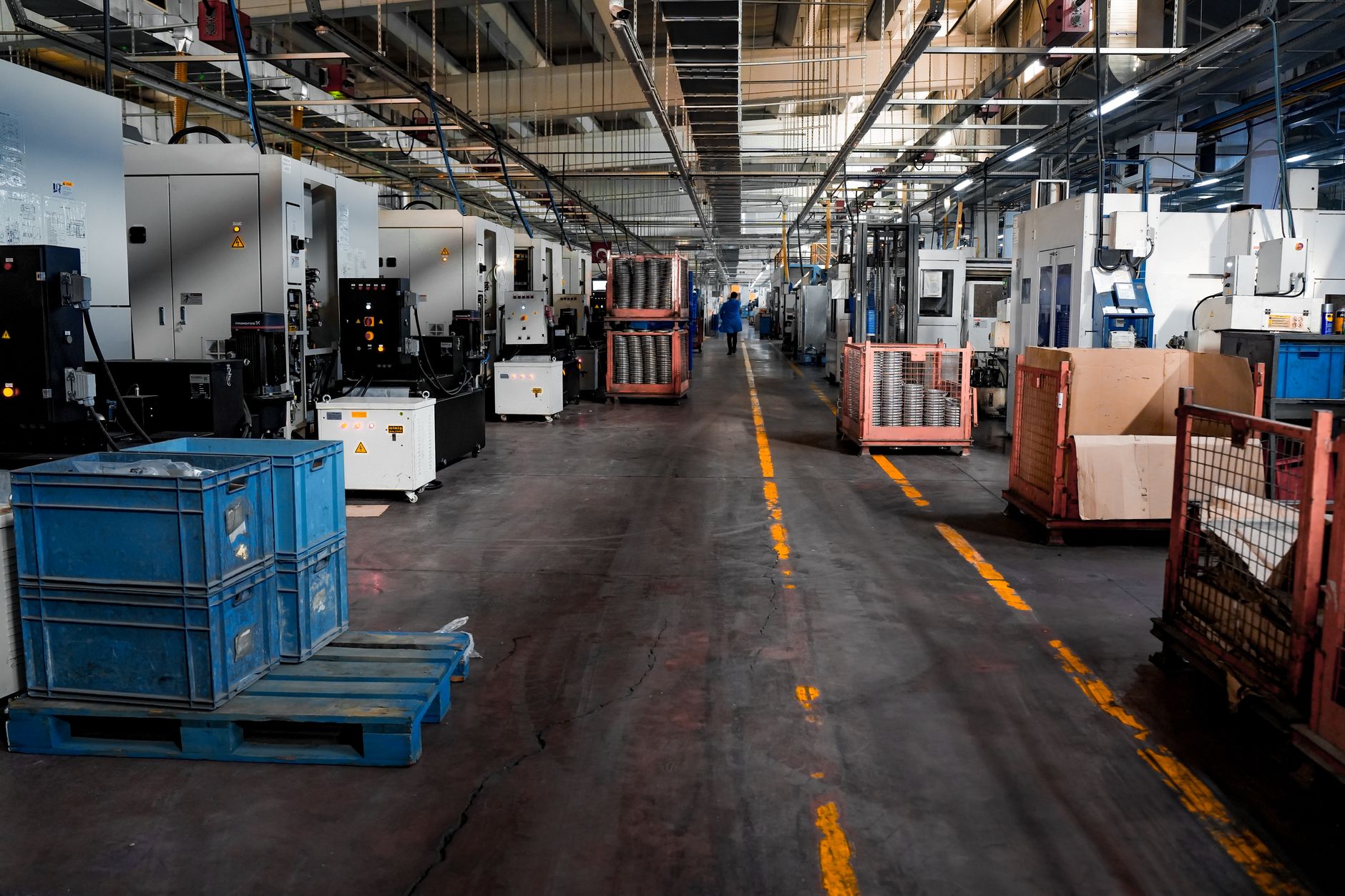
Steel, paper, cement, and ceramics have been brought up in the debate because they represent the visible side of a broader problem. If energy-intensive plants lose competitiveness or curb production, the impact does not stop with traditional sectors. Supplies for infrastructure, mobility, construction, energy, and, in some cases, dual-use supply chains with civilian and military applications are undermined. The capacity to produce basic materials remains a prerequisite for the ability to design complex technologies.
Hence the political convergence, however partial. Calenda and factions within the Pd have acknowledged the non-ideological nature of the issue: decarbonisation requires investment and predictable rules, but it cannot disregard industrial stability. For the government, that support instead provides leverage in talks with Bruxelles, where Roma intends to call for an application of European policies that pays closer attention to their impact on production.
This is not an argument against environmental targets as such. The crux lies in the ranking of priorities and the tools deployed. If rising emissions-related costs or regulatory mandates are not matched by available technologies, adequate infrastructure, and comparable competitive conditions, industrial operations may relocate outside the Union. The outcome would be paradoxical: lower accounted emissions in Europe, but greater dependence on external production and suppliers.
The critical raw materials challenge
The aspect most directly tied to security involves cobalt, graphite, and rare earths. Their availability governs batteries, permanent magnets, electronics, and numerous systems vital to the transition. For the defence sector, this reliance is even more sensitive: a disrupted supply chain or one controlled by a handful of players can stall the maintenance, production, and modernisation of capabilities that require highly specialised components.
Meloni pointed to Porto Marghera as a possible European site for the strategic storage of these materials, proposing a pilot project. The idea responds to a concrete need: building reserves is not equivalent to resolving foreign dependence, but it can soften the immediate impact of a market crisis or export restrictions. To become operational, however, an initiative of this type would need to clarify governance, funding, material selection criteria, stockpile rotation methods, and integration with European procurement policies.
Storage is only one link in the chain. The issues of extraction, refining, recycling, and industrial transformation remain open. The decisive point for Europe is not merely having storage sites, but reducing the concentration of the supply chains' most vulnerable stages. Without processing capacity and diversified contracts, stockpiles can offer time, not structural autonomy.
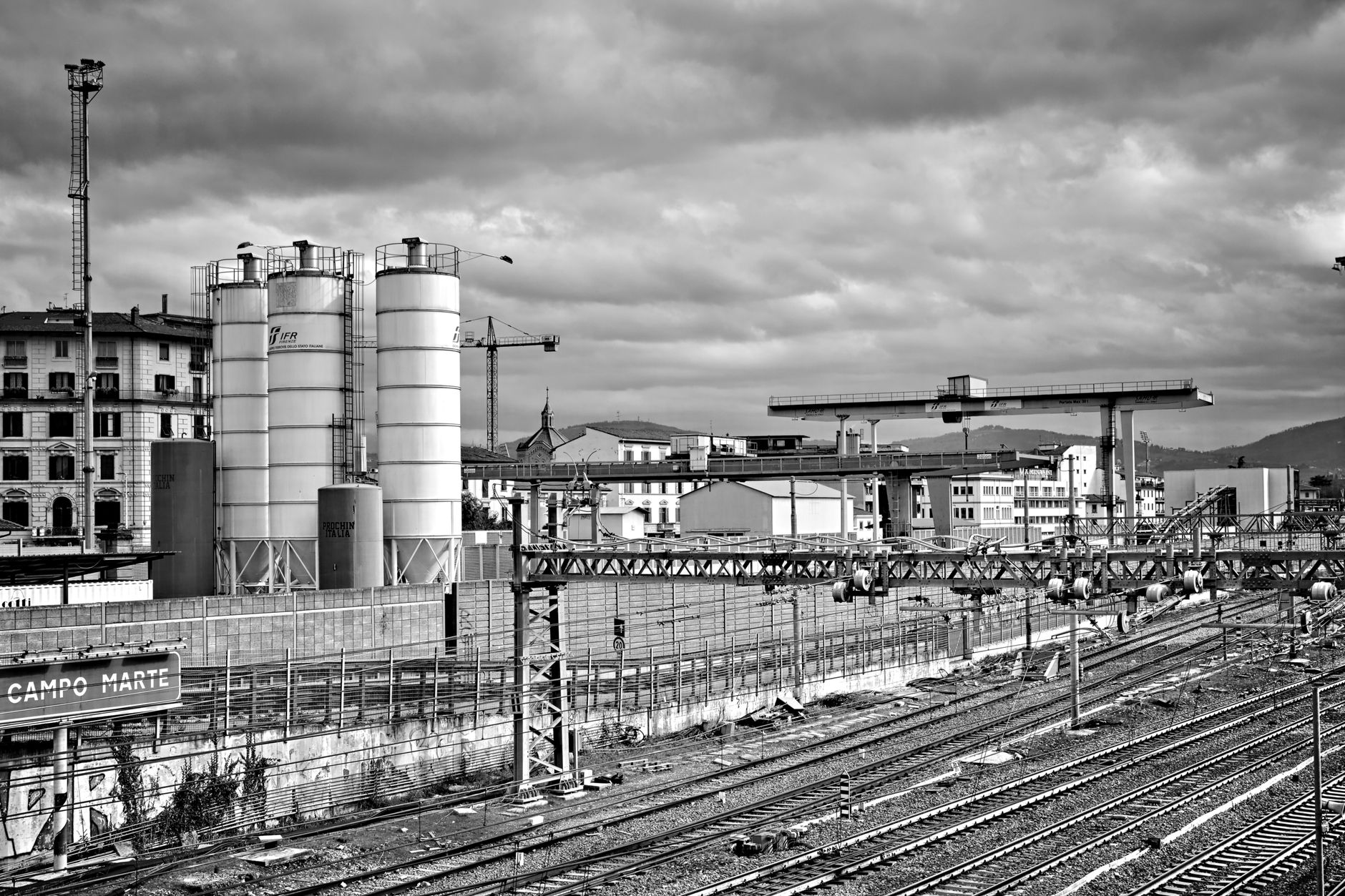
For Italy, Porto Marghera would hold a value that goes beyond the physical location of a storage facility. The site could become part of the debate on the national role within European logistics and industrial networks, provided that the announcement is accompanied by investments, sustainable permits, and expertise. The initiative's credibility will depend on translating it into a defined project and its ability to attract a European framework, not merely on invoking the strategic importance of minerals.
A useful convergence, but not yet a common policy
The applause in the Senato does not dissolve the differences between the majority and the opposition. The measures to protect businesses exposed to energy costs, the degree of flexibility to request regarding European rules, and the relationship between climate protection and competitiveness remain to be defined. On the Regolamento del metano as well, the request to suspend certain obligations opens a technical and political discussion that will require dialogue with Ue institutions and other member states.
Rather, the novelty lies in the recognition of a shared national perimeter. The debate over European rules cannot be reduced to a clash between those defending industry and those defending the environment, nor between Europeanism and national interest. In a more competitive international system, a Europe capable of setting standards but unable to produce and secure essential inputs risks depending on others in the very areas it considers strategic.
For BreakingDefense, this is the central takeaway: the defense technological and industrial base begins long before the assembly lines of military systems. It starts with affordable energy, the availability of metals and minerals, logistics infrastructure, and the continuity of civilian manufacturing that supports dual-use production. Italian politics seems to have found, at least on this diagnosis, a rare common ground. The next test will be whether parliamentary convergence will produce a coherent negotiating stance in Europe and tools capable of impacting real supply chains.