NASA will bring its presence to National Football League stadiums through a new collaboration with the NFL. The initiative, called Inspiration Tour, includes flyovers, astronaut appearances, and public-facing activities during games played across the United States. The agency's stated goal is to leverage one of the country's largest media platforms to connect fans and families with the work being done in space exploration and aeronautics research.
The project does not coincide with the launch of a mission or a joint scientific program between the two organizations. Instead, it is an outreach and public engagement operation: the NFL provides the stage of sporting events, while NASA brings content, personnel, and demonstrations related to its activities. The choice reflects the cultural weight of football games in the United States, which can bring together large audiences in person and reach many more through television and digital coverage.
Stadiums as a meeting point with the public
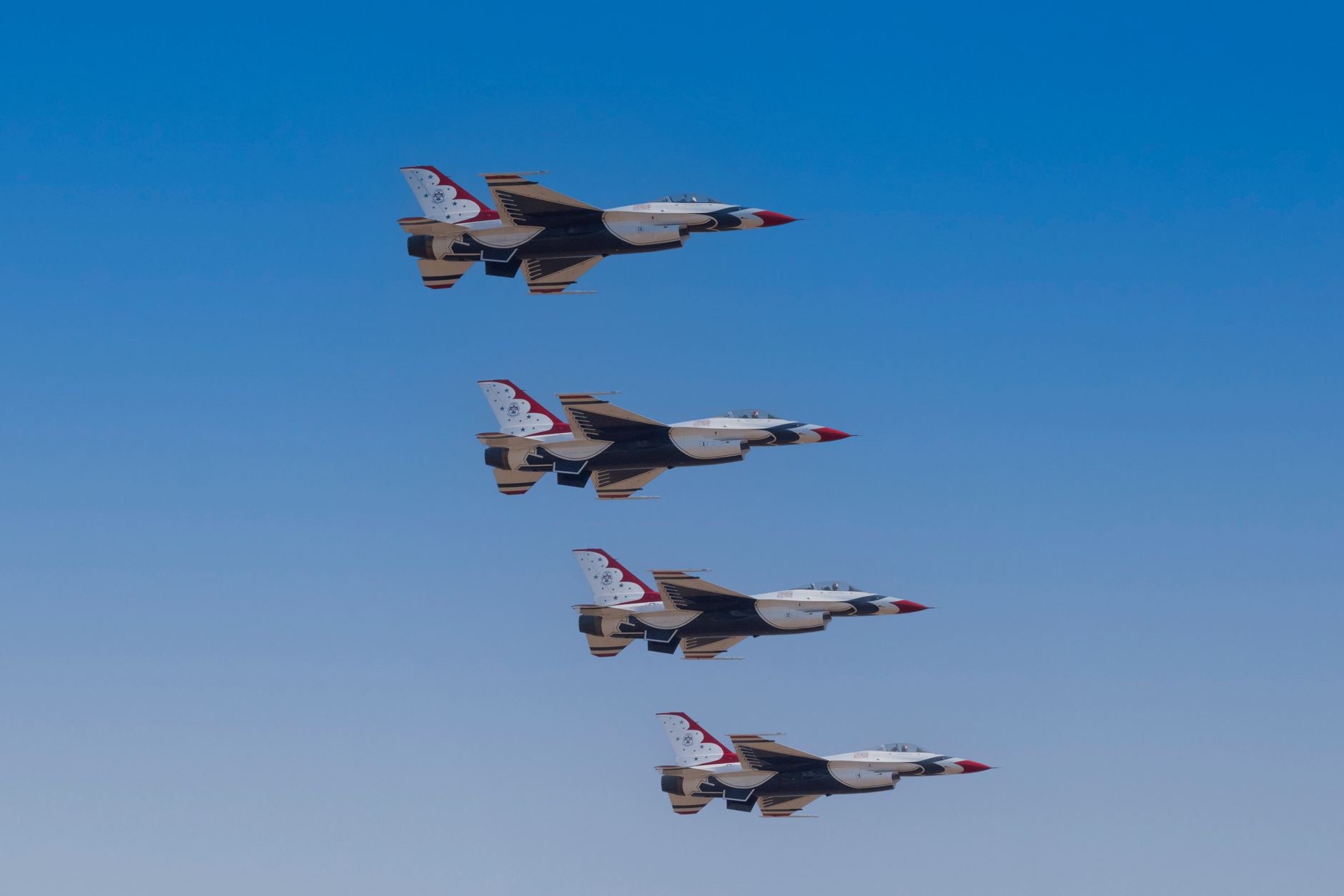
The core of the Inspiration Tour will consist of three elements. The flyovers will highlight the agency's aeronautics component, which is often less prominent in the public imagination compared to rockets, rovers, and astronauts. Astronaut appearances will provide a direct link to human spaceflight programs. Finally, fan activities are designed to turn stadium attendance into an opportunity for hands-on engagement with science and technology topics, rather than limiting it to a pre-game ceremony.
In the available materials, NASA has not presented a schedule of the games involved, nor has it named the individual NFL franchises that will host the events. The format of the public activities, the number of events, and the aircraft designated for the flyovers have also not been detailed. For now, the picture is that of a nationwide collaboration to be rolled out across specific events, with details yet to be announced.
This aspect also matters when it comes to properly interpreting the announcement. The scope of the initiative should not be measured merely by the visibility of the NASA brand on the sidelines, but by the continuity of the events and the quality of the content offered to attendees. A brief appearance can attract attention; a more structured engagement effort, however, can help explain that the agency does not operate exclusively in space and that a substantial portion of its work involves flight within Earth’s atmosphere.
Space and aeronautics in the same narrative
Pairing NASA with football might seem unusual only if the agency is viewed strictly through the lens of major space missions. Aeronautics research is part of its core mandate, encompassing studies and technologies that impact how aircraft fly, consume energy, generate noise, and navigate increasingly complex airspaces. The flyovers planned under the agreement are therefore instrumental in showcasing a dimension of the agency that, while central, routinely receives less attention than deep-space imagery or launches.
The presence of astronauts serves a different, complementary purpose. Those who have flown or are preparing to fly on space missions are among NASA’s most recognizable figures, helping make programs that might otherwise seem abstract to the general public feel tangible. Placing them in a sporting context turns institutional messaging into an encounter with audiences who would not typically seek out updates on space exploration, flight engineering, or STEM pathways.
The word “inspiration,” chosen for the tour, reflects this very ambition: not only to inform the public about ongoing programs, but to spark curiosity about scientific and technical fields. NFL games draw a diverse audience across ages, interests, and familiarity with these subjects. For NASA, the partnership can thus expand the boundaries of public outreach beyond museums, schools, research centers, launches, and institutional channels.
A partnership built on visibility, not athletic performance
There is no indication that the agreement involves the use of NASA technology in gameplay, training, or team performance analysis. The tie-up with the NFL is communicational and experiential: football serves as the meeting ground, while space and aeronautics represent the content NASA aims to bring to the public. Separating these levels prevents attributing goals to the partnership that have not been announced.
This does not diminish the tech sector's interest in the move. In recent years, major leagues have become more than just sports competitions: they are environments for live entertainment, broadcast distribution, digital communities, brand partnerships, and experimentation with new fan engagement formats. A NASA presence during games shows how these events can also become channels for science communication, provided the content is not completely subsumed by the celebratory spectacle.
The collaboration also connects two US institutions that speak to very different audiences yet share strong national recognition. The NFL offers rituals, symbols, and recurring fixtures; NASA brings the appeal of research, missions, and the aeronautical frontier. Integrating the two languages can work because it taps into a moment fans already anticipate, without requiring them to step into a specialized context beforehand.
What remains to be seen
The most concrete test will come with the individual stops of the Inspiration Tour. NASA will need to clarify where and when flyovers will take place, which astronauts will participate, and how fans can access the activities. The choice of storytelling tools will also matter: an in-stadium event may command just a few minutes of focused attention, whereas digital assets, educational initiatives, or follow-up content could extend its impact beyond the game itself.
Then there is the issue of balancing accessibility and accuracy. To reach a broad audience, the messaging will need to be straightforward; to be worthwhile, it cannot stop at spectacular imagery of astronauts and aircraft. The challenge lies in linking that immediate impact to a more tangible understanding of NASA's work, from human spaceflight to research in air transport.
For now, the announcement sets a clear direction: NASA wants to seek new popular spaces to showcase its expertise, and the NFL provides one of the most prominent stages in the United States. If the tour delivers on its commitment to direct public engagement, stadiums could also become, on select days, places where fandom meets the professions, missions, and technologies behind exploration and flight.


