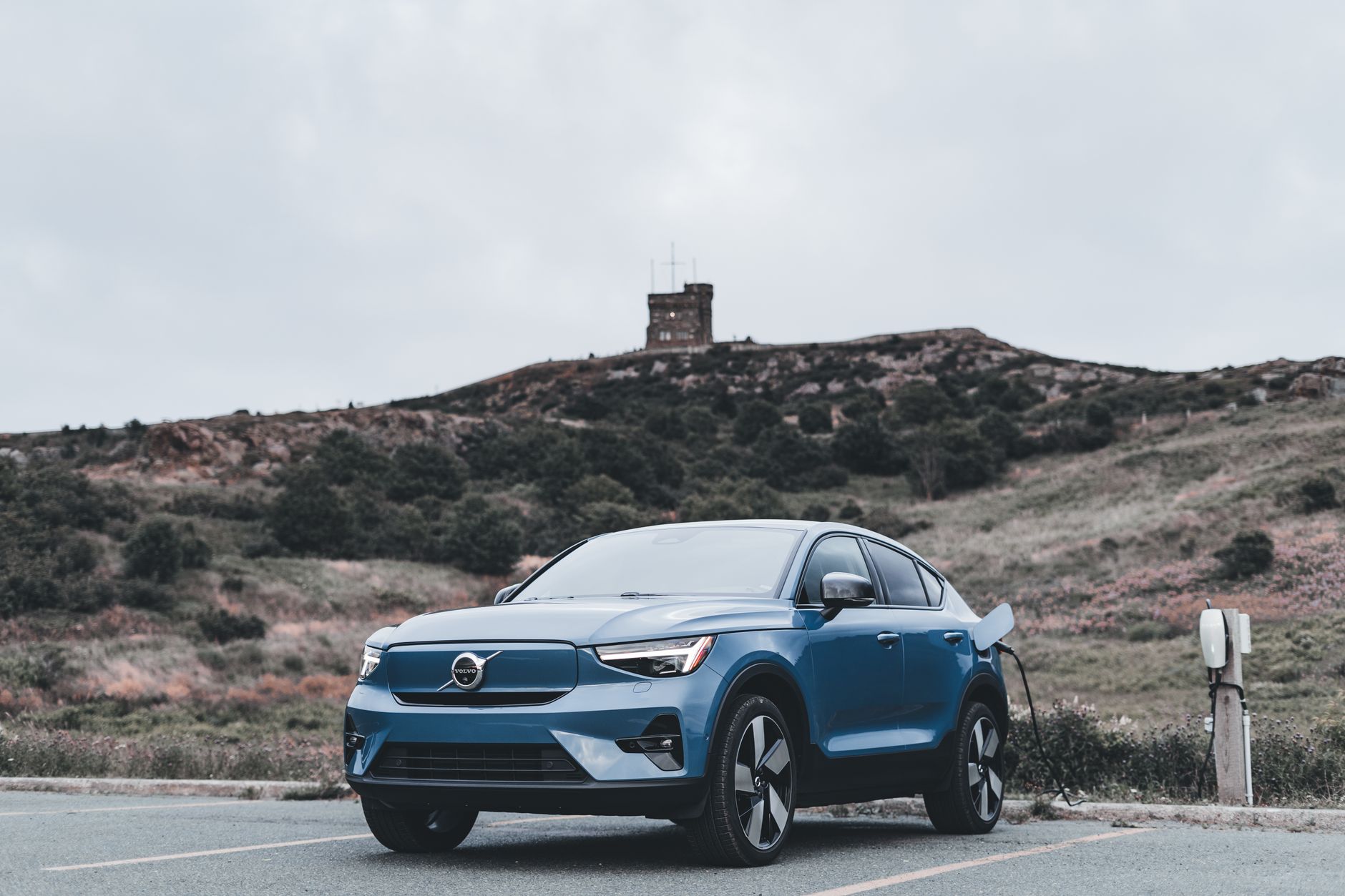
Switching from a combustion-engine car to an electric vehicle does not simply mean replacing the engine. It changes the relationship with energy, stops, and even time itself.
With petrol, we are used to a very simple ritual: when the tank runs low, we stop for a few minutes and drive off. With electric vehicles, the logic can be different. Charging is spread out over time, often takes place while the car is parked, and makes planning when and where to recover range far more important.
From the service station to the everyday plug
One of the most profound differences is that energy can be replenished without necessarily making a dedicated trip to charge. At home, at the office, in a car park, while grocery shopping, or during an extended stop.
It is a paradigm shift: instead of “going to fuel up”, the car can regain energy while we are doing something else.
For those with easy access to a charging point, this can make daily management feel completely natural. For those without, the same technology can turn into a new logistical exercise.
Long journeys become a matter of rhythm
It is especially on longer journeys that electric vehicles change habits. The question is no longer just how many kilometres a car can travel, but how quickly it can recover them and how reliable the infrastructure is along the route.
A 20- or 30-minute stop may seem long compared to a traditional fill-up. But it feels much more normal if it coincides with a coffee, lunch, or a break we would have taken anyway.
The real issue therefore becomes the quality of the stop. A fast charger in an inconvenient location is very different from charging integrated into a pleasant, well-serviced area.
Range anxiety is also information anxiety
Many concerns stem not only from the amount of energy available, but from uncertainty. Will the charger work? Will it be free? How fast will it actually be? Will the payment system be straightforward?
When these questions have reliable answers, the journey changes completely. Navigation software, consumption forecasting, and integration with charging networks become almost as important as the battery.
Learning to think in percentages instead of litres
Language is changing too. We no longer talk just about remaining range, but about percentage, charging power, curves, kilowatt-hours, and preconditioning. At first, it might seem complicated. Then it becomes a new everyday vocabulary.
It has happened with many technologies: first we have to learn how they work, then we stop thinking about them.
The real revolution will happen when we no longer have to think about it
The success of the electric car will not depend solely on improving batteries. It will depend on the entire system's ability to become invisible.
Charging available where needed, seamless payments, accurate information, and cars capable of planning stops without turning every journey into a logistical exercise.
When this happens, we will probably stop talking about "electric travel". We will simply go back to talking about travel.
Because a technology is truly mature when it not only changes what we use, but succeeds in changing our habits without forcing us to think about it every time.
Electric travel is becoming less exceptional
Data from the Global EV Outlook 2026 shows how quickly the landscape is changing. Over 20 million electric cars were sold worldwide in 2025, accounting for roughly a quarter of all new registrations. The IEA also estimates that the number of available models could surpass 1,100 in 2026.
The issue of range remains central, but it is no longer growing at the same pace as a few years ago: the global average for BEVs has stabilized around 380 kilometers, while more powerful charging networks and higher-voltage architectures expand. This is gradually shifting the question from "how far can the car go?" to "how easily can I charge it during a journey?".
This is where the experience changes. A well-designed electric trip tends to integrate stops into the route: lunch, a break, an overnight stay, a supermarket, the highway. When the infrastructure works, planning is no longer an extraordinary constraint, but a new habit.


