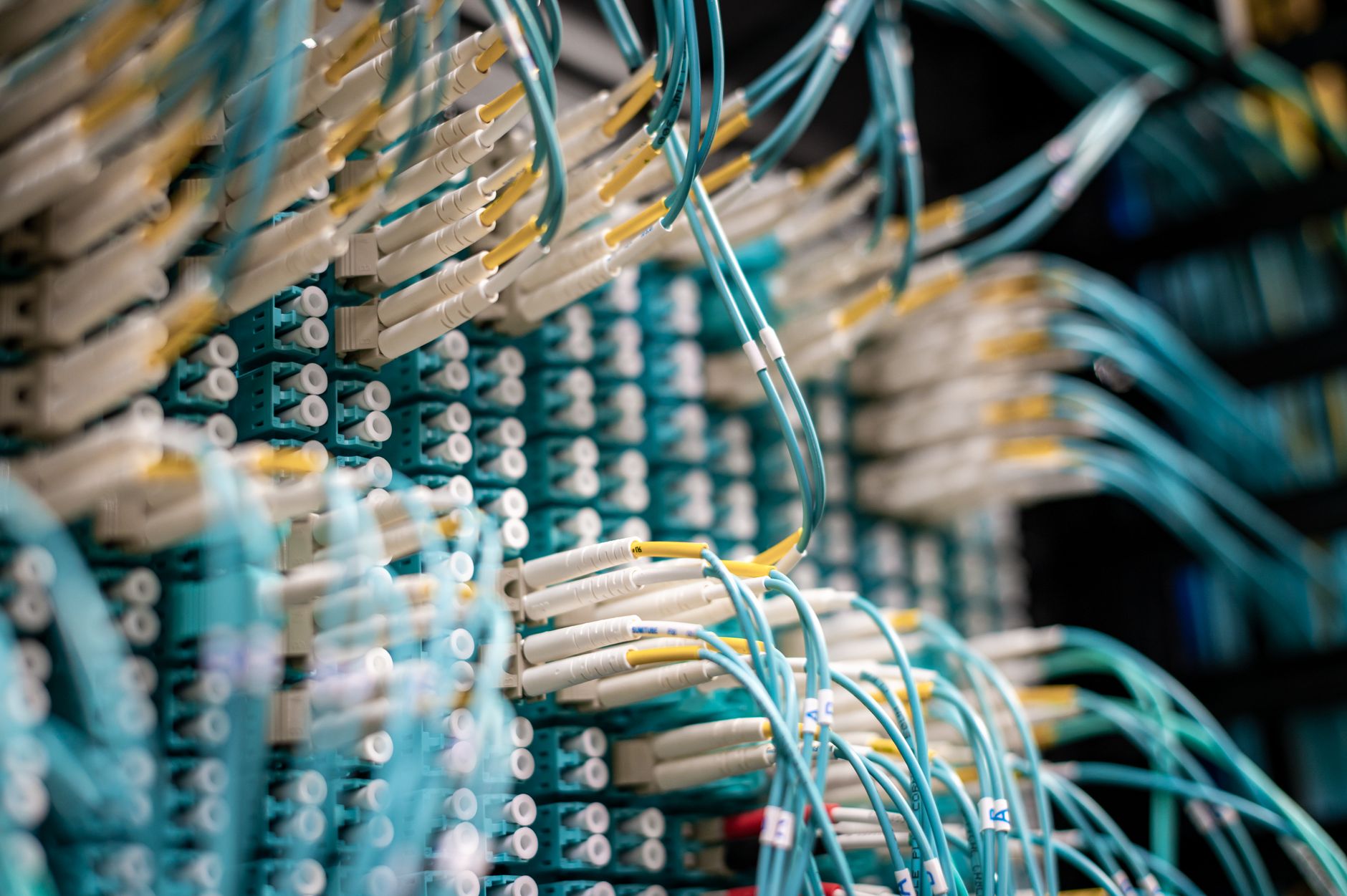
We open a website and expect it to work. Yet behind that action lie dozens of steps: DNS resolution, certificates, networking, CDNs, servers, authentication systems, storage, and security services.
The internet has become simpler on the surface precisely because it has become far more complex underneath. The problem is that this complexity remains invisible until something breaks.
Convenience stems from concentration
Many companies prefer to rely on major providers to avoid building hard-to-manage infrastructure from scratch. It is rational: specialized services offer better scale, security, and reliability than a small organization could achieve on its own.
But when millions of websites depend on the same nodes, a local issue can have global effects.
The distributed web depends on a few intermediaries
The internet originated as a decentralized network. In practice, however, a growing share of traffic passes through major cloud platforms, CDNs, DNS providers, and identity services.
This does not mean the internet is “centralized” in an absolute sense, but rather that certain foundational layers exhibit very high concentration.
Resilience comes at a cost
Building redundant systems means duplicating infrastructure, testing failover, and accepting greater operational complexity. Many organizations therefore prefer to depend on a single, highly reliable provider.
The problem arises when “highly reliable” is mistaken for “impossible to disrupt.”
Outages are lessons in architecture
Every major outage reveals which dependencies had been overlooked. A seemingly marginal service can block logins, payments, or content loading across completely different systems.
This is why resilience is not just about having data backups. It means understanding the complete dependency chain.
The best infrastructure is the one we can lose without losing everything
The next phase of the internet may focus less on building increasingly powerful services and more on building services that fail in a controlled manner.
The web will continue to depend on invisible infrastructure. Maturity will arrive when its invisibility no longer means unawareness.


