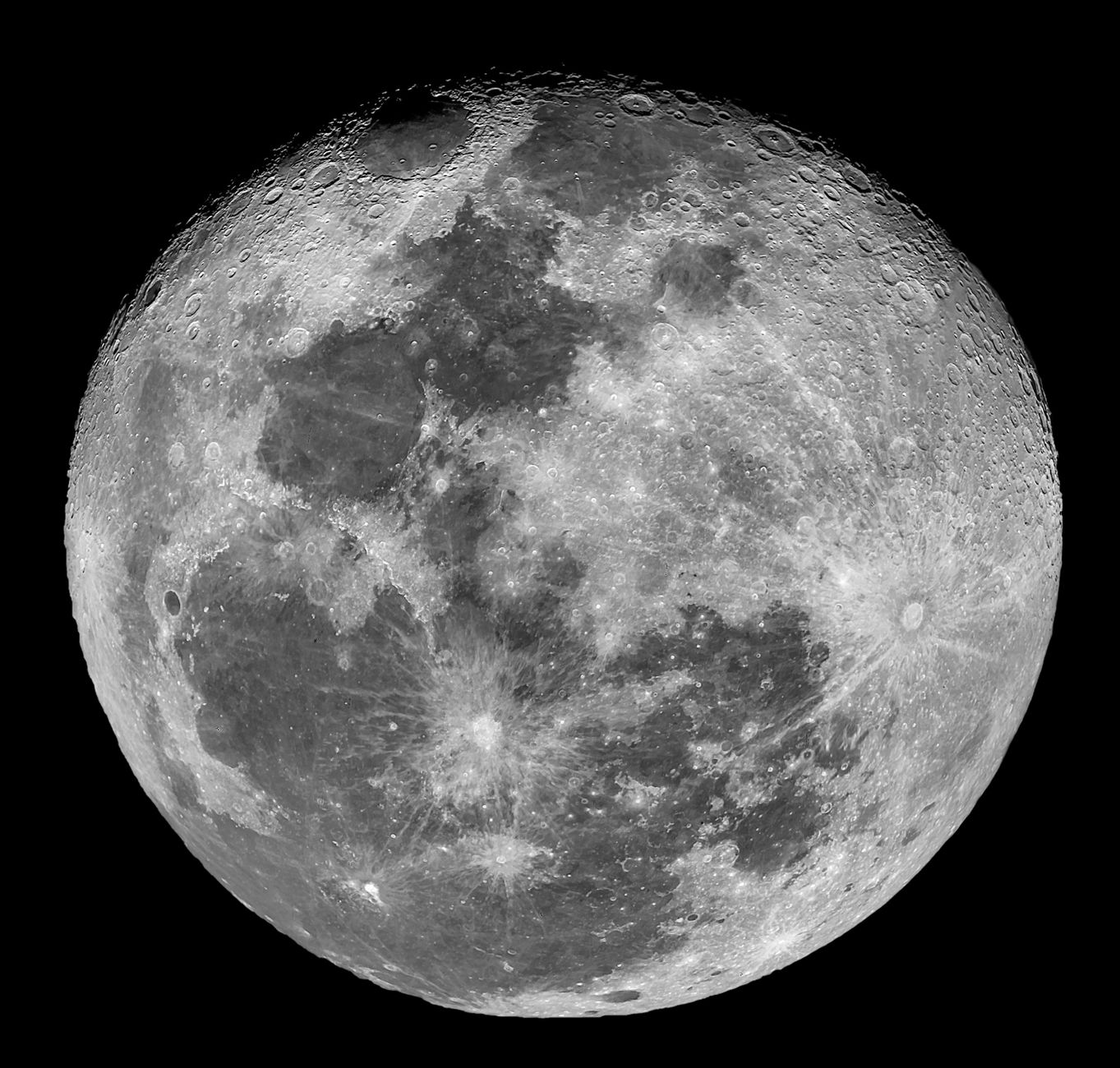
The Moon is one of the most studied objects in history, but for this very reason we possess a vast amount of information scattered across missions, images, maps, and measurements.
NASA and IBM have developed an AI model designed to help explore this data. It is a project that shows how artificial intelligence is becoming a scientific tool even when it is not directly controlling a robot or a probe.
The problem is not having data, but being able to use it
Every space mission produces increasing amounts of information. High-resolution imagery, spectrometry, topography, and historical data can be difficult to query with traditional tools.
A model can make these archives more accessible, helping researchers and technicians connect different sources.
AI becomes a scientific interface
The most interesting aspect is not necessarily that the system “discovers” something on its own. It is the ability to ask questions more naturally and quickly find relevant regions or phenomena.
In this sense, AI acts as a layer between the researcher and the archive.
Future missions will need the past
The new phase of lunar exploration is not starting from scratch. Landing sites, resources, illumination, and terrain conditions can be studied by combining data gathered over decades.
Properly interpreting what we already know can reduce the risks and costs of future missions.
A scientific model must be verifiable
In the context of space, a plausible answer is not enough. Researchers and engineers must be able to trace back to the source, verify the data, and distinguish interpretation from measurement.
This is one of the reasons scientific AI tools must be designed differently from general-purpose chatbots.
Space is increasingly software
Rockets and spacecraft remain spectacular, but a growing share of mission value stems from software, simulations, and data analysis.
NASA and IBM showcase a quiet transformation: exploring the Moon also means building better tools to navigate the knowledge we have already accumulated about it.


