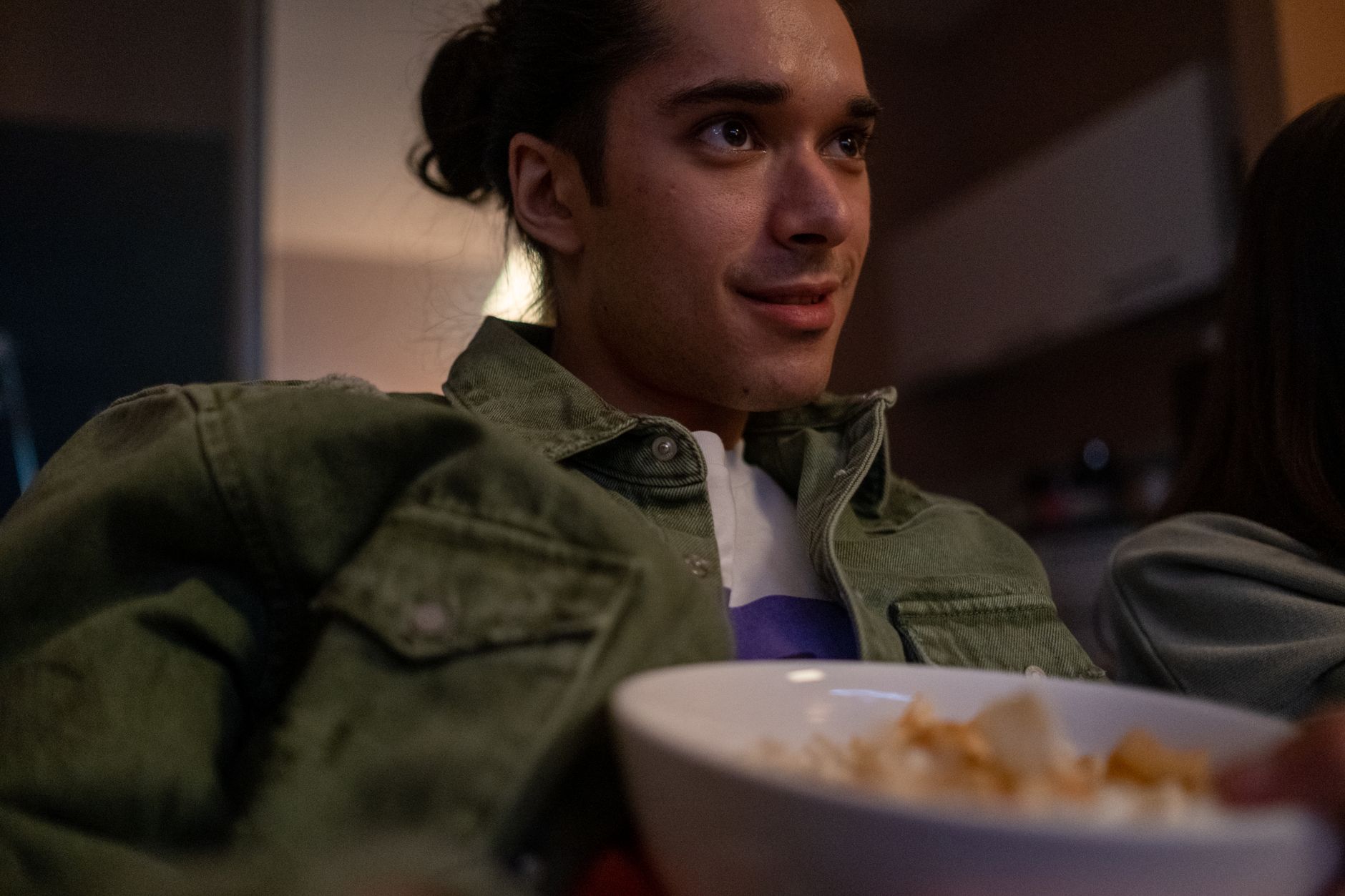
We open a platform with thousands of movies available, scroll for ten minutes, and then choose something we have already seen. We know how it ends, remember almost every scene, and could even anticipate some of the lines. Yet we hit play.
It is one of the small paradoxes of cultural abundance. We have never had so much to watch and, for that very reason, the pleasure of returning to what we already know seems to have grown stronger.
Knowing the ending does not necessarily ruin the film
The idea that a story's value relies mainly on surprise is relatively limiting. Many films work better on a second or third viewing, when we are no longer focused on the question "what happens?" and can notice how it happens.
A performance, a score that kicks in a few seconds before a decisive moment, a detail in the background, a line that seemed harmless on the first watch. Already knowing the ending frees up space to take in everything else.
It is the same reason we reread a novel or listen to a song again. The value does not disappear once we know the structure. Sometimes it begins right there.
Films become coordinates of our lives
There are titles we remember alongside the period in which we watched them. A movie seen at sixteen is not the same movie rewatched at thirty. The images do not change, but the person watching them does.
That is why rewatching something can serve an almost autobiographical function. We do not just return to the story: we return to the version of ourselves that encountered it for the first time.
The comedy we watched with friends, the film that always aired on television during the holidays, the title discovered in a relationship that has long since ended. Cinema ends up gathering memories that do not belong to the screenplay.
In an endless catalogue, knowing what to expect is reassuring
Choosing has become a massive part of the experience. Even before watching a movie, we have to decide which platform to open, which genre, which runtime, which title. Every option carries the risk of wasting two hours on something we will not enjoy.
A familiar film eliminates that uncertainty. We know exactly how it will make us feel. It is not much different from returning to the same restaurant or ordering the same dish every time we do not feel like experimenting.
This does not mean we have stopped looking for novelty. It means that not every evening requires a discovery.
The comfort movie has become a personal genre
There is no true universal catalog of “comfort movies.” Everyone has their own. They can be masterpieces, mediocre comedies, blockbusters, animation, horror. The criterion is not absolute quality: it is familiarity.
We already know where to laugh, when that scene arrives, which song will start playing. It is an experience with very little friction. At a time when almost everything competes for our attention, knowing that for two hours we will not be asked to figure out a new universe can be a relief.
Rewatching also means measuring time
The most interesting thing, however, happens when the film has not changed, but we have. A story that seemed romantic in our twenties can appear unbearable ten years later. A supporting character suddenly becomes the one we understand best. A scene we did not remember becomes the most important.
That is when we realize we are not truly watching the same film.
Recorded cinema remains identical, but each new viewing takes place from a different point in our lives. Perhaps that is why we keep returning: we do not rewatch certain movies to see how they end. We rewatch them to understand where we have arrived.
Rewatching is also a way to reduce the cost of choice
Platforms have multiplied what is on offer, but broader choice does not automatically produce more exploration. Deloitte notes strong price sensitivity in 2026 and an ecosystem where users manage multiple services, catalogs, and ad-supported tiers. In this context, returning to a familiar title eliminates part of the decision fatigue.
There is also an emotional dimension. A film already watched is not identical on the second or tenth viewing: it changes because the person watching it changes. Certain works become time markers, tied to a period, a person, or a habit.
Rewatching is therefore the opposite of the idea that a catalog’s value depends solely on new releases. A platform may attract users with a new title, but it often retains them because it preserves works that users want to be able to revisit.


