The Atlanta Dream arrive at the WNBA Finals with an organizational issue still unresolved: just days before the start of the series against the Golden State Valkyries, the franchise has not announced where it will play its home games. This is not a marginal detail, because the dates on which Atlanta is scheduled to host the finals coincide with previously scheduled events at State Farm Arena, the city's largest venue and the one slated to become the team's permanent home starting next season.
The best-of-seven series assigns the Dream Game 3 and Game 4, scheduled for October 22 and 24, as well as a potential Game 6 on October 29. Golden State will open the series at Chase Center in San Francisco with Game 1 and Game 2, and would also hold home-court advantage for potential Games 5 and 7. While the Valkyries can count on an 18,064-seat arena, Atlanta has yet to resolve an issue involving capacity, availability, and the commercial value of the event.
Finals dates clash with Atlanta's schedule
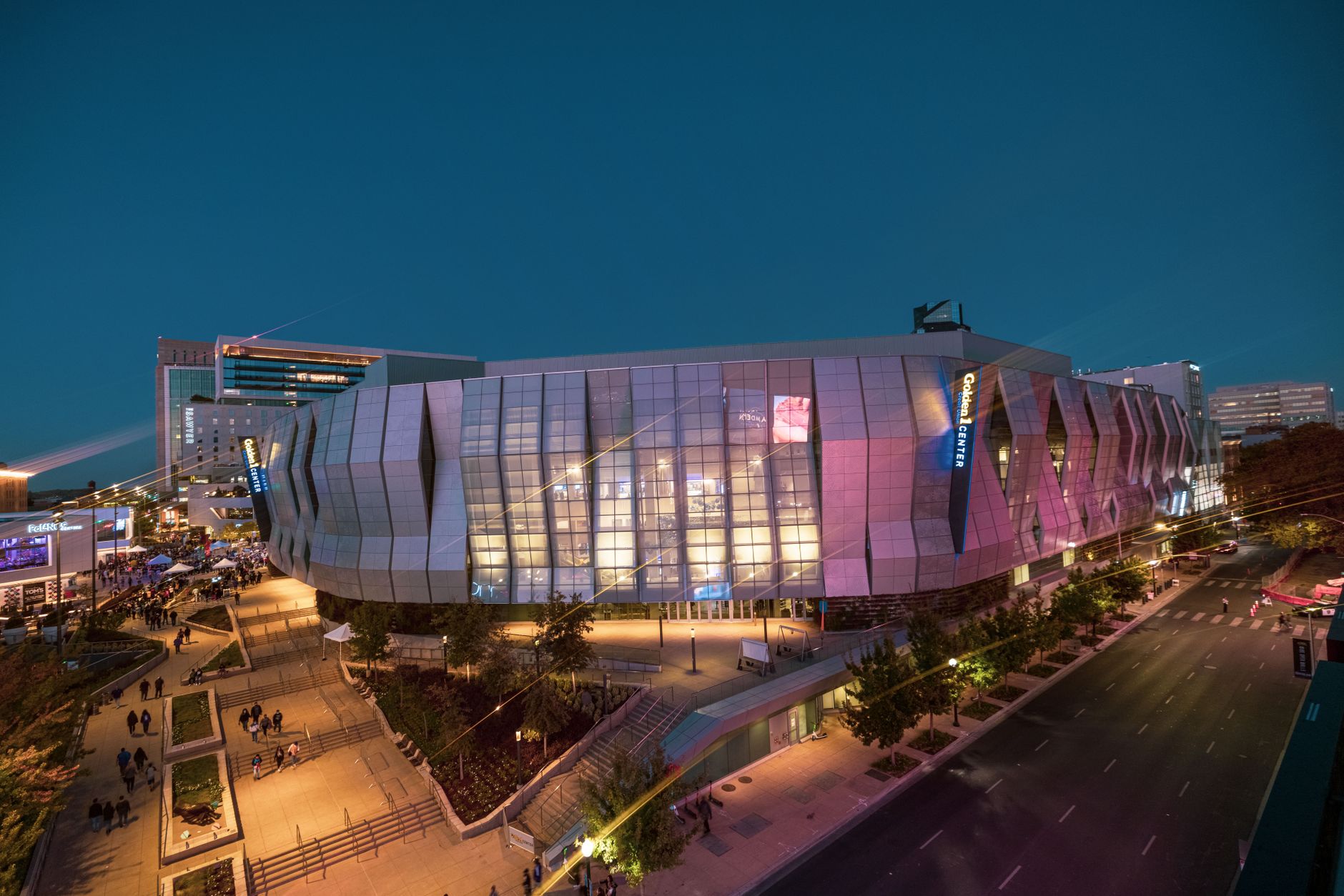
State Farm Arena, in downtown Atlanta, has a capacity of 17,044 spectators and was used by the Dream for five regular season games and for all three home playoff games already played this year. However, on October 22, the venue is hosting a Sombr concert; on October 24 and October 29, regular season games for the Atlanta Hawks are scheduled instead. Essentially, all of the Dream's potential home dates in the Finals are already booked.
The franchise's president and chief operating officer, Morgan Shaw Parker, explained in recent days that the club was finalizing the last details regarding the arena for the Finals. On the eve of the series, however, neither the Dream nor the WNBA have provided further information on the chosen solution. Until a formal announcement is made, the possibility also remains open that Atlanta will return to Gateway Center Arena at College Park, the venue used as their home court since 2021.
However, Gateway Center has just 3,500 seats. That capacity is far below both the figures of State Farm Arena and the profile of a national final. For a franchise that has already moved the season's marquee games to the downtown arena and scheduled its permanent relocation there starting in 2027, the difference goes beyond just the atmosphere in the stands. It changes the number of available tickets, hospitality for sponsors and partners, credential management, and the ability to capture the broader audience that a Finals matchup typically attracts.
A delicate transition for a growing team
The venue choice highlights the Dream's transitional phase. The permanent return to State Farm Arena in 2027 aligns with the growth of both the team and the WNBA, but the path toward that new arrangement is not yet seamless. Atlanta has already tested moving marquee matchups this season: five regular-season games and the entire home playoff run were relocated to the arena with over 17,000 seats.
The Finals turn what had been an ad-hoc solution into a necessity. Staying at Gateway Center would mean playing the league's premier showcase in a facility that can hold only a fraction of the crowd State Farm Arena routinely hosts. By comparison, the WNBA has not held a final in a venue with fewer than 8,000 seats since 2019, excluding the 2020 season played in the Bradenton, Florida bubble without fans due to the pandemic.
In 2019, the Washington Mystics hosted three Finals games at CareFirst Arena, which has a capacity of 4,200. That precedent shows that a smaller arena does not make staging the series impossible, but it highlights just how unusual it would be for today's WNBA to return to a similar capacity. The issue is especially relevant because Atlanta has already designated State Farm Arena as its long-term home: the uncertainty in recent weeks stems from a scheduling conflict, not the lack of a long-term plan.
Solutions exist, but they are not equivalent
In league history, event overlaps and facility renovations have repeatedly forced teams to change venues during the playoffs and even in the Finals. The Dream themselves already have a precedent: in 2013, they hosted a Finals game at what was then the Arena at Gwinnett Center in Duluth, now Gas South Arena, a venue seating around 13,000. The WNBA has also seen Finals played in collegiate arenas, such as Eastern Michigan in 2008.
These cases provide context, but do not foreshadow Atlanta's decision. In terms of capacity, Gas South Arena could represent a solution closer to the requirements of a final than Gateway Center, but the Dream have not indicated that they have secured an option on it. Similarly, there is no evidence to determine whether State Farm Arena could become available through changes to events already on the schedule. The only established fact is that the three windows designated for home games currently conflict with other bookings.
The difference between the potential options is also significant for the sporting product. An alternative venue requires time for setup, ticket sales, and communicating access procedures and travel details to the public. Returning to Gateway Center would likely reduce logistical complexity, as it is the team's regular arena, but would drastically cap seat availability. Securing a larger arena would eliminate that ceiling, but would introduce an operational relocation at the most critical juncture of the season.
For the WNBA, which has a championship series to showcase on a national scale, the situation serves as a reminder that audience growth does not automatically eliminate the physical constraints of shared facilities. State Farm Arena is also home to the Hawks and hosts concerts and major events: securing open dates in the fall requires planning that involves arena owners, promoters, and different leagues. When schedules conflict, a women's team contending for a final can find itself left without its highest-capacity stage.
Announcement expected before Game 3
The matchup against Golden State will begin in San Francisco, so Atlanta still has some operational leeway before October 22. However, for fans and season-ticket holders, the delay in naming the venue makes it impossible to know where to buy tickets or arrange travel to a potential alternative arena. It is an uncertainty that would also extend to Game 6, should the series go all the way to October 29.
The solution that the Dream announce will reveal a great deal about the franchise's ability to manage the transition to State Farm Arena. A return to Gateway Center would ensure operational continuity but bring the Finals to a 3,500-seat facility; moving elsewhere would expand capacity, at the expense of a more complex logistical operation. In any case, the team will enter the series with an issue Golden State does not have: the Valkyries already have Chase Center secured for all their scheduled home games.