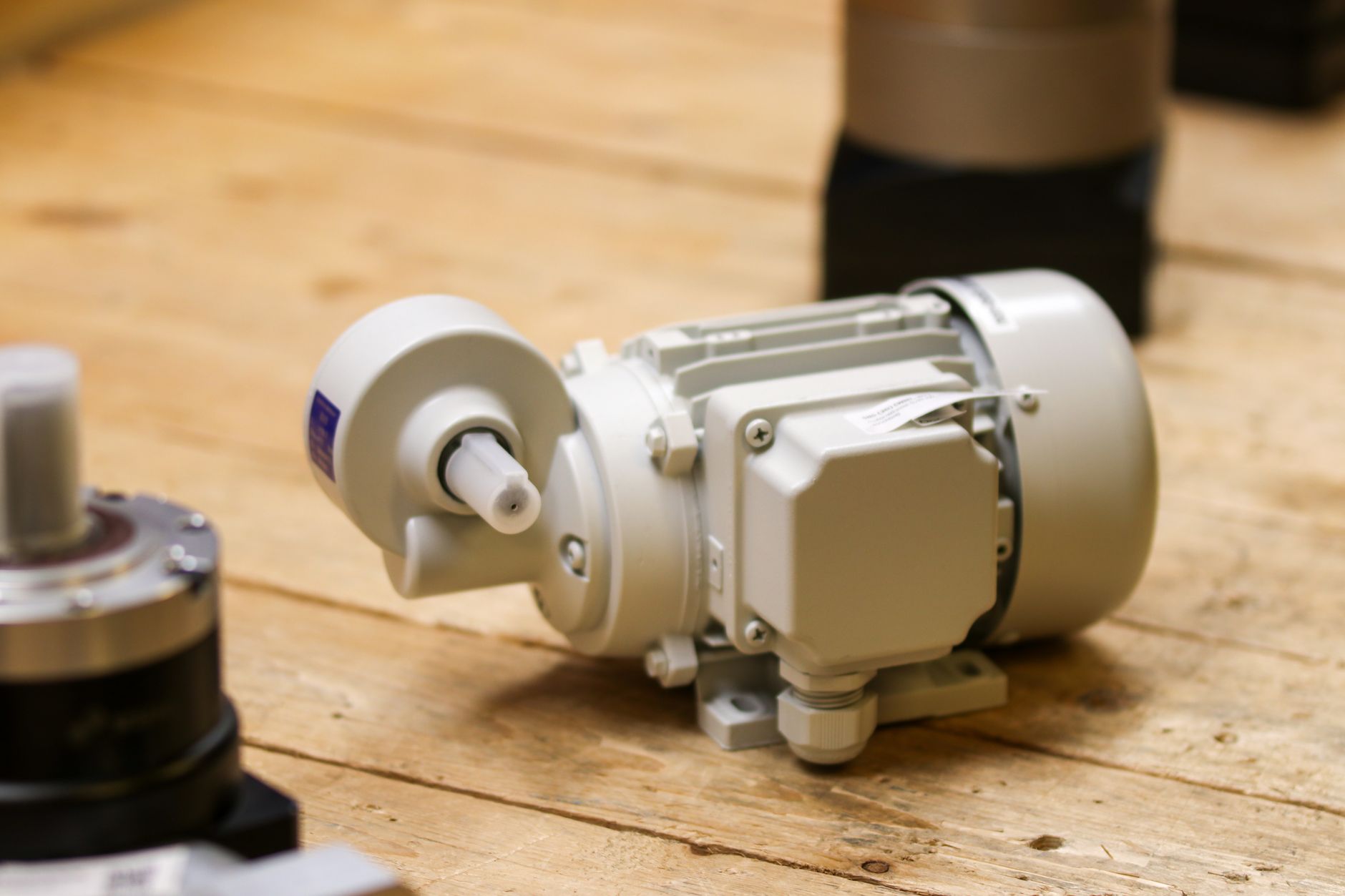
For many electric and hybrid cars, a powertrain failure has so far had an almost inevitable outcome: replacing the entire drive unit. A choice that simplifies work for the service network, but can inflate the bill for the owner and turn a localized defect into a large replacement assembly to be ordered, transported, and reinstalled.
ZF wants to shift this balance. The German group, one of the automotive industry's leading suppliers, is rolling out components, tools, and training programs designed for the repair of electric drive units to the aftermarket. The goal is to enable qualified independent workshops to diagnose the issue and work on specific parts of the motor or transmission unit, without automatically defaulting to a complete replacement.
The move applies to both battery-electric vehicles and hybrids that feature electric motors in the drivetrain. It is a significant shift, especially out of warranty, when the cost and availability of spare parts directly impact whether keeping a vehicle on the road remains economically viable.
From sealed box to component-level maintenance
An EV's drive unit is not an easy component to handle. An electric motor, reduction gearbox, differential, and control systems typically coexist within a single assembly; the entire system operates at high voltages and demands strict safety procedures. For technical, liability, and supply-chain reasons, the industry has long favored replacing the complete unit.
ZF is now offering a different approach: dedicated repair kits, diagnostic procedures, and service instructions are designed to make it possible to isolate the faulty component and replace it. This does not mean every breakdown can be fixed with a minor spare part, nor that every garage will be able to open up an electric drive unit. It does mean, however, that with the right skills and equipment, maintenance can be carried out at a much more granular level.
The industrial value of the operation lies precisely here. A drive unit is an expensive, heavy, and material-intensive system. Repairing it whenever possible can curb spare parts consumption, prevent the premature disposal of components that are still functional, and reduce lead times tied to supplying a brand-new unit. For the customer, the potential benefit is an expense more proportionate to the actual damage; for the repair shop, it grants access to a type of service that until now was often reserved for authorized dealer networks or highly specialized centers.
Spare parts alone are not enough
ZF's plan goes beyond simply selling components. Repairing an electric powertrain first and foremost requires a reliable diagnosis: one must determine whether the root cause of the fault lies in the motor, the mechanical assembly, the power electronics, the wiring, or a system external to the unit. An improper repair can compromise vehicle reliability and poses real risks for technicians working on the car.
That is why the offering includes diagnostic tools, dedicated equipment, and training for workshops. The goal is to build a repeatable procedure: securing the high-voltage vehicle, verifying the fault, disassembling the unit according to the manufacturer's guidelines, replacing the parts included in the kit, reassembly, and final checks. This process is vastly different from routine maintenance on brakes, suspension, or tires, and requires personnel trained to work on electrified systems.
Training therefore becomes the true barrier to entry. Independent repair shops cannot merely purchase a tool or keep a spare part in stock: they must arrange dedicated workspaces, protective equipment, procedures, and certifications aligned with high-voltage work. ZF is attempting to bridge the gap with OEM networks by providing an integrated package, but widespread adoption will depend on repairers' willingness to invest in these capabilities.
A matter concerning the cost of ownership
This issue arises as the electrified vehicle fleet gradually begins to exit its initial warranty cycles. In the coming years, the number of cars requiring independent service will grow, both because they will change owners and because their residual value will make it difficult to justify costly full replacements. The ability to repair, rather than replace entire modules, can affect the useful life of these vehicles.
It is important to distinguish this scenario from battery repairs. Traction batteries remain the most widely discussed aspect when it comes to EV costs, but motors, reduction gears, and related mechanical parts can also require servicing over a car's lifespan. Expanding options for the drive unit therefore addresses a distinct part of the repairability issue.
For ZF, the move also makes sense from a supply chain perspective. The group is an original equipment technology supplier and has an established presence in the aftermarket. Transferring expertise, spare parts, and procedures related to electric systems to the independent channel allows it to maintain a role throughout the vehicle's post-sale lifecycle. This is a field where traditional suppliers must compete not only with manufacturer networks, but also with the emerging market of specialized remanufacturers.
Technical limitations and liability remain central
Repairability should not be confused with unconstrained deregulation. Drive units are not all identical, and the availability of kits will depend on the applications covered by ZF. Some failures will still require the replacement of the entire assembly; others may stem from defects that the kit cannot resolve. Economic viability will vary depending on vehicle age, damage, labor time, and the price of parts.
Then there is the issue of access to technical information and diagnostic data, which is essential for independent repairs to be thorough and accurate. In Europe, regulations govern access to repair and maintenance information, but in practice, proprietary software architectures and procedures can make the work more complex than on a traditional vehicle.
ZF is therefore not turning the electric motor into a bench component within reach of just any repairer. Rather, it is creating the conditions for a larger share of interventions to move away from the “broken unit, new unit” model. If the kits and training courses see adoption, independent repair shops will be able to gain a more prominent role in servicing electrified vehicles. For motorists and fleets, the most tangible result could be greater choice over where to get the car repaired and, in appropriate cases, a more sustainable alternative to a complete replacement.