Apple has scheduled its special event for September 9 at 7:00 PM Italian time. The official invitation does not tease any products, but the event comes at an exceptional moment for Cupertino: it is the first major launch under the leadership of new CEO John Ternus, while Tim Cook has transitioned to the role of executive chairman.
Market expectations are focused on a device Apple has not yet confirmed: its first foldable iPhone. Reuters, the Financial Times, and other international outlets point to the foldable as the potential star of the event, alongside the new premium models in the iPhone 18 family. Precisely because the product is not yet official, it is worth distinguishing between what Apple has announced—the date and the event—and what analysts and industry sources expect to see on stage.
Why a foldable iPhone matters even if it arrives late
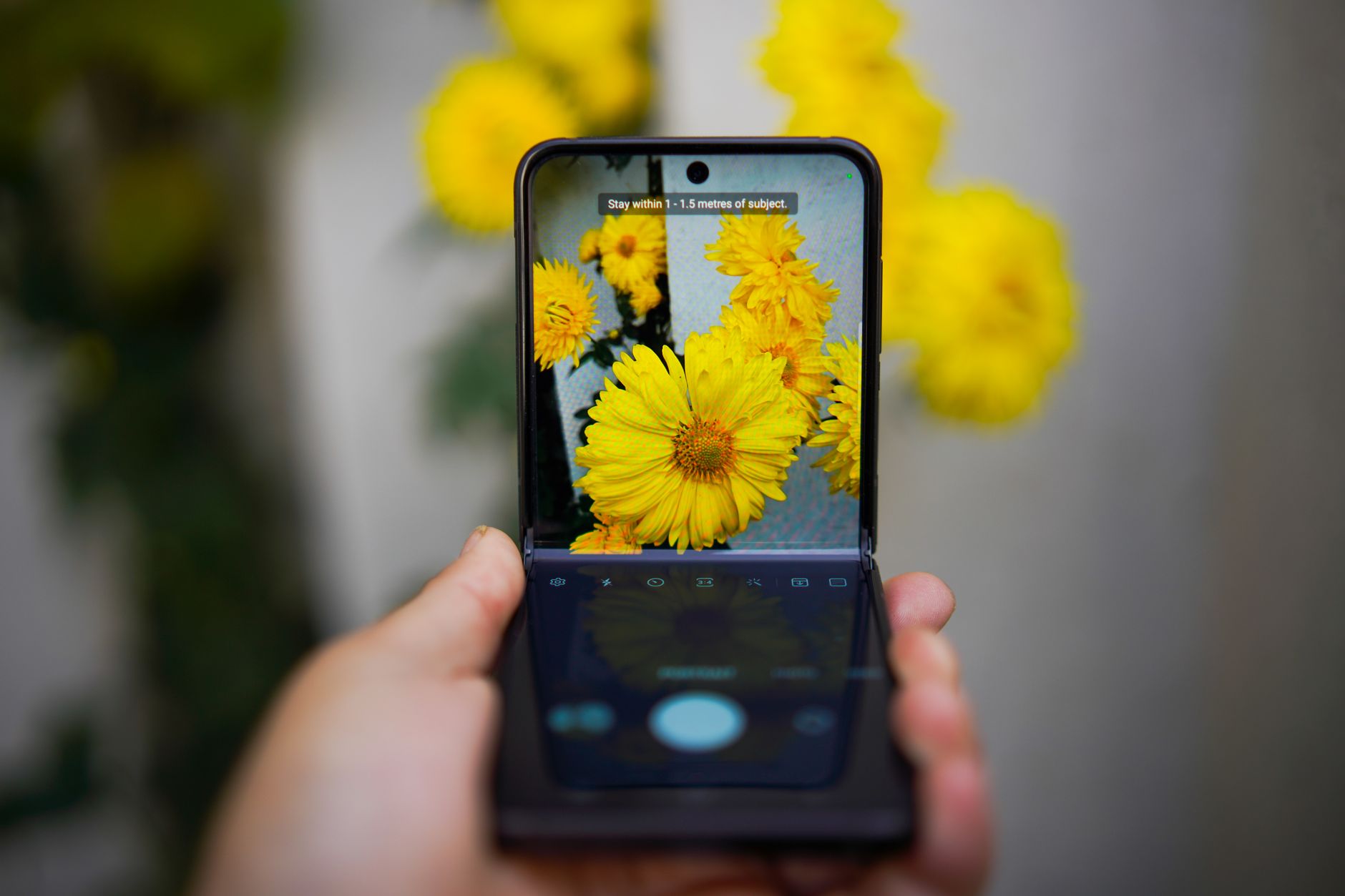
Samsung has been selling foldable smartphones since 2019. Huawei, Google, Motorola, and other manufacturers have already experimented with various form factors. Apple, therefore, would not be inventing a category. But in the company's history, this is not necessarily a problem: Cupertino has often entered established markets seeking to turn a technical niche into a mass-market product that is easier to understand and use.
The foldable market remains relatively small compared to traditional smartphones. This is precisely where Apple's entry could change the perception of the category. If millions of iPhone users began to view a phone that unfolds like a small tablet as normal, the foldable would cease to be merely a demonstration of engineering and become a stable new tier in the premium market.
According to Reuters, analysts expect a device that opens in a “passport” format and carries a price tag over $2,500. It is a forecast, not an official price list. But the price level already says a lot about the strategy: Apple's first foldable, if it arrives, will probably not be designed to immediately replace the standard iPhone. Rather, it will serve to raise the ceiling of the lineup and create a new reason to spend more.
The smartphone market's dilemma: convincing users to upgrade
In recent years, smartphones have gotten better, but also more similar from one generation to the next. Displays, cameras, and processors continue to improve, while for many users the practical difference between a two-year-old model and a newly released one is less noticeable than it was a decade ago.
For Apple, this means addressing a very concrete challenge: how to shorten the replacement cycle once again. A new physical form factor can carry more weight than a slightly better camera or an incremental performance boost. If the foldable manages to deliver a clear advantage—more space for working, reading, watching videos, or running apps side-by-side—it could become a purchasing incentive that routine annual upgrades struggle to generate.
John Ternus's first test
The event is also significant for leadership. Ternus comes from heading Apple's hardware division and inherits an immensely profitable company, yet one facing two opposing pressures: it must continue to protect margins and premium positioning while the center of the tech narrative shifts toward artificial intelligence.
It is a delicate transition. Apple retains an extraordinary advantage across its ecosystem of devices, proprietary chips, services, and distribution. Yet in generative AI, the market often perceives OpenAI, Google, and Anthropic as the frontrunners of innovation. Reuters indeed highlights that tomorrow's launch will also be closely watched to see whether Apple can demonstrate credible progress on Siri and on-device AI integration.
Hardware and AI are not two separate stories
The temptation is to view the foldable as a hardware story and artificial intelligence as a software story. In reality, the two are converging. A device with a larger, more flexible display makes sense primarily if the interface can adapt to context, surface information, juggle multiple applications simultaneously, and leverage assistants that understand what the user is doing.
Apple also has a specific advantage: it controls the hardware, the operating system, and an increasing share of its silicon. If it manages to run more AI processing directly on the device, it could turn privacy, latency, and integration into key differentiators compared to services that rely primarily on the cloud.
The pricing dilemma
The other key topic will be price. Pressure on component costs, particularly memory and semiconductors, intersects with Apple's desire to maintain high margins. A very expensive foldable can function as a halo product, but it alone does not solve the problem of how much consumers are willing to pay across the entire lineup.
This is why it will be interesting to watch not only the pricing of any potential foldable, but also the positioning of the Pro models. If Apple were to significantly raise prices, the message would be clear: the company believes that form factor innovation, AI, and ecosystem strength can support a new tier of premium pricing.
What to watch tomorrow
There are at least four key signals to watch. First: whether the foldable will actually be unveiled and what problem Apple claims it solves. Second: how much stage time will be devoted to artificial intelligence and Siri. Third: the pricing of the new iPhones and the gap between the standard lineup and the ultra-premium tier. Fourth: the tone set by John Ternus, as this event will inevitably serve to introduce the next phase of Apple's leadership as well.
Success will not be measured solely by the number of devices sold in the first few weeks. If Apple manages to make the foldable desirable to people who until yesterday felt no need for it, it will have proven that it can still do what it historically does best: arrive late to a category and make it seem as though it has only just begun.


