The protagonist enters the scene. We see the conflict. Then the antagonist. A funny line. A chase. An explosion. A dramatic moment. Another chase. A revelation. Title. Final gag.
Two and a half minutes have passed and we already feel like we know half the movie.
A trailer starts as a promise: it has to build desire without satisfying it. But increasingly, the line between showing enough and showing too much seems paper-thin.
The problem isn't spoilers, it's structure
You don't need to reveal the final plot twist to give away too much. You only need to show the sequence of events clearly enough to hint at the entire narrative arc.
When a trailer presents the initial world, the problem, the protagonist's transformation, a central conflict, and part of the third act, the surprise isn't necessarily ruined. But the experience has already been mapped out in our heads.
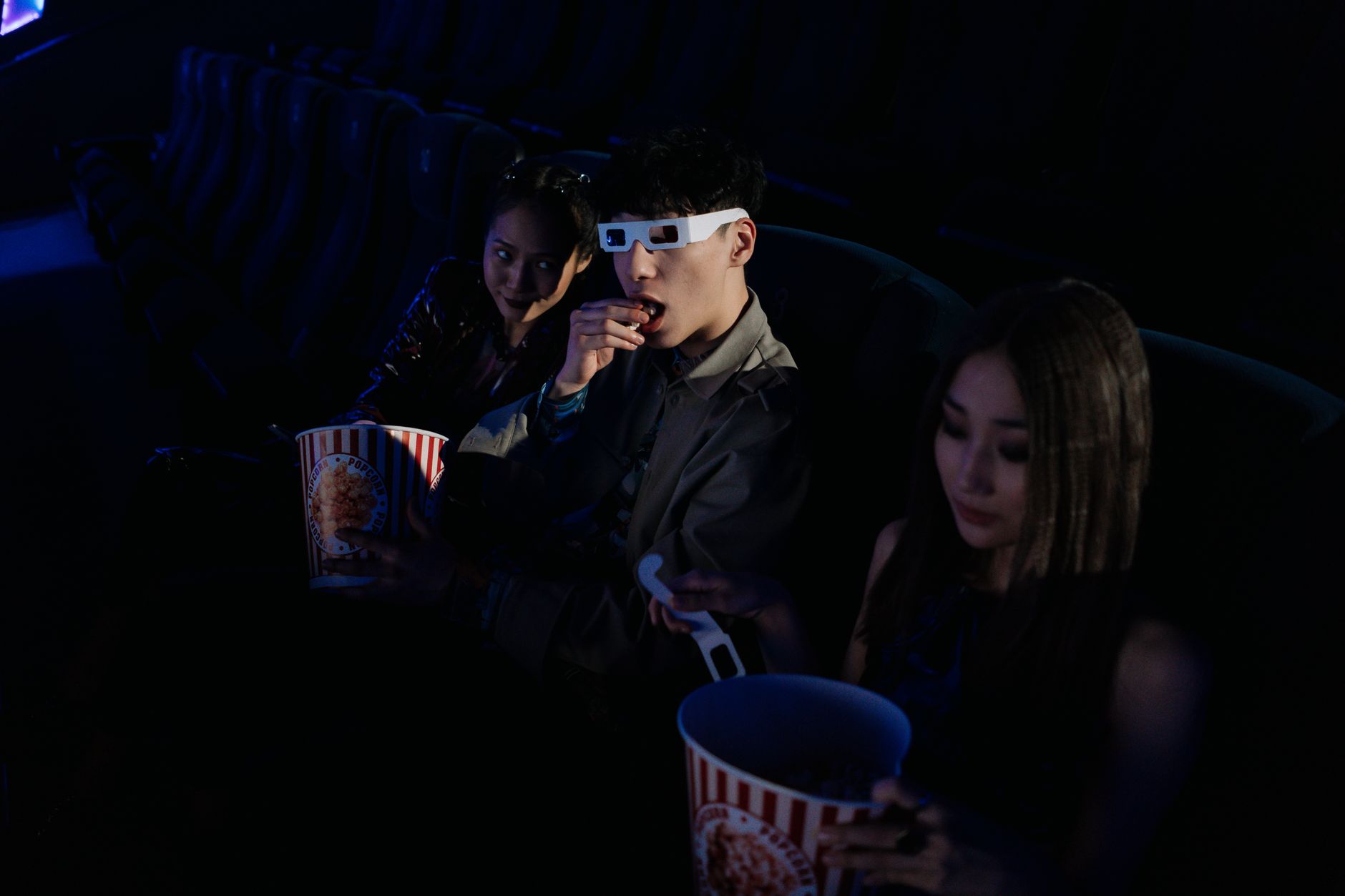
We arrive at the cinema waiting for specific scenes. When they finally appear, instead of discovering them, we merely recognize them.
Why do they keep making them like this, then?
A trailer doesn't need to convince those who have already decided to watch the film. It has to convince the undecided. And undecided viewers often want information: who is in it, what the tone will be, how spectacular it will look, what kind of story they are buying into.
Showing more reduces perceived risk. Especially when a film is expensive, marketing tends to make the product immediately legible. The audience has to understand within seconds why they should care.
The result, however, is that marketing can clash with the cinematic experience. The more elements that make the trailer effective, the fewer elements remain to be discovered.
The best teasers focus on atmosphere
Some campaigns manage to do the opposite. They don't explain the plot: they build a mood. An image, a piece of music, a voice, a few lines. Instead of telling you what will happen, they let you understand which world you will step into.
It is a riskier form of communication because it asks the audience to trust it. But it is also the one that leaves the most breathing room for the film.
The perfect teaser doesn't answer the question “what happens?”. It prompts a better question: “what am I watching?”.
The audience has changed the rules, too
Online culture has turned every second of a trailer into material for analysis. Screenshots, slow motion, theories, easter eggs, frame-by-frame comparisons. A promotional campaign no longer lasts just the duration of the video: it becomes a week's worth of content.
This pushes trailers to offer enough elements to fuel conversation. But the more material is released, the harder it becomes to keep the mystery genuinely intact.
Maybe we should learn to stop watching them
The simplest solution is also the strangest: once we already know we're going to see a film, we could simply stop watching the trailers.
Not because they're poorly made. But because they have already done their job.
If the director, the cast, or the initial teaser convinced us, everything that follows serves the campaign more than it serves us. Arriving in front of the screen without knowing exactly what visuals await has become almost a privilege.
In an era where every film is analyzed, explained, and teased for months prior to release, perhaps part of the cinematic pleasure still lies in managing not to know.
The trailer has become part of the battle for attention
Trailers once primarily had to spark curiosity. Today, they must perform in an ecosystem where viewers can drop off after a few seconds, switch to other content, and compare dozens of titles simultaneously. This often drives studios to immediately show characters, conflict, set pieces, and even parts of the narrative arc.
The risk is clear: the more marketing tries to eliminate uncertainty, the more it can also diminish surprise. The paradox is that the trailer must prove the film is "worth" the required time and ticket price without burning through its best moments in advance.
In a fragmented market, the solution might not be showing more, but building distinct assets for different audiences: short teasers, extended trailers, clips, and social content. The single, one-size-fits-all trailer that must explain everything is increasingly out of touch with how we discover films today.


