
American cinema and 9/11: six films that captured memory and conflict
From private grief to the war on terror, six films show how Hollywood transformed 9/11 into collective memory.
Cinema, series and the audiovisual industry
From private grief to the war on terror, six films show how Hollywood transformed 9/11 into collective memory.

The fourth season of Reacher leads the Samba TV chart for the fourth week. The September 16 finale will coincide with the full debut of the Neagley spin-off.

Netflix has acquired worldwide rights to the four-part Australian docuseries on the Kumanjayi Walker case, presented at TIFF.

On September 12, Lifetime airs Angel in the Rubble, a film inspired by the survival of Genelle Guzman beneath the rubble of the North Tower.

Eugene Kotlyarenko's thriller starring Cole Sprouse debuts at TIFF: livestreams, comments, split screens, and chases depicting an audience already accustomed to looking elsewhere.

HBO and HBO Max will distribute the London staging of Oh, Mary! in 2027, the Cole Escola comedy that became a rare commercial phenomenon across Broadway and the West End.
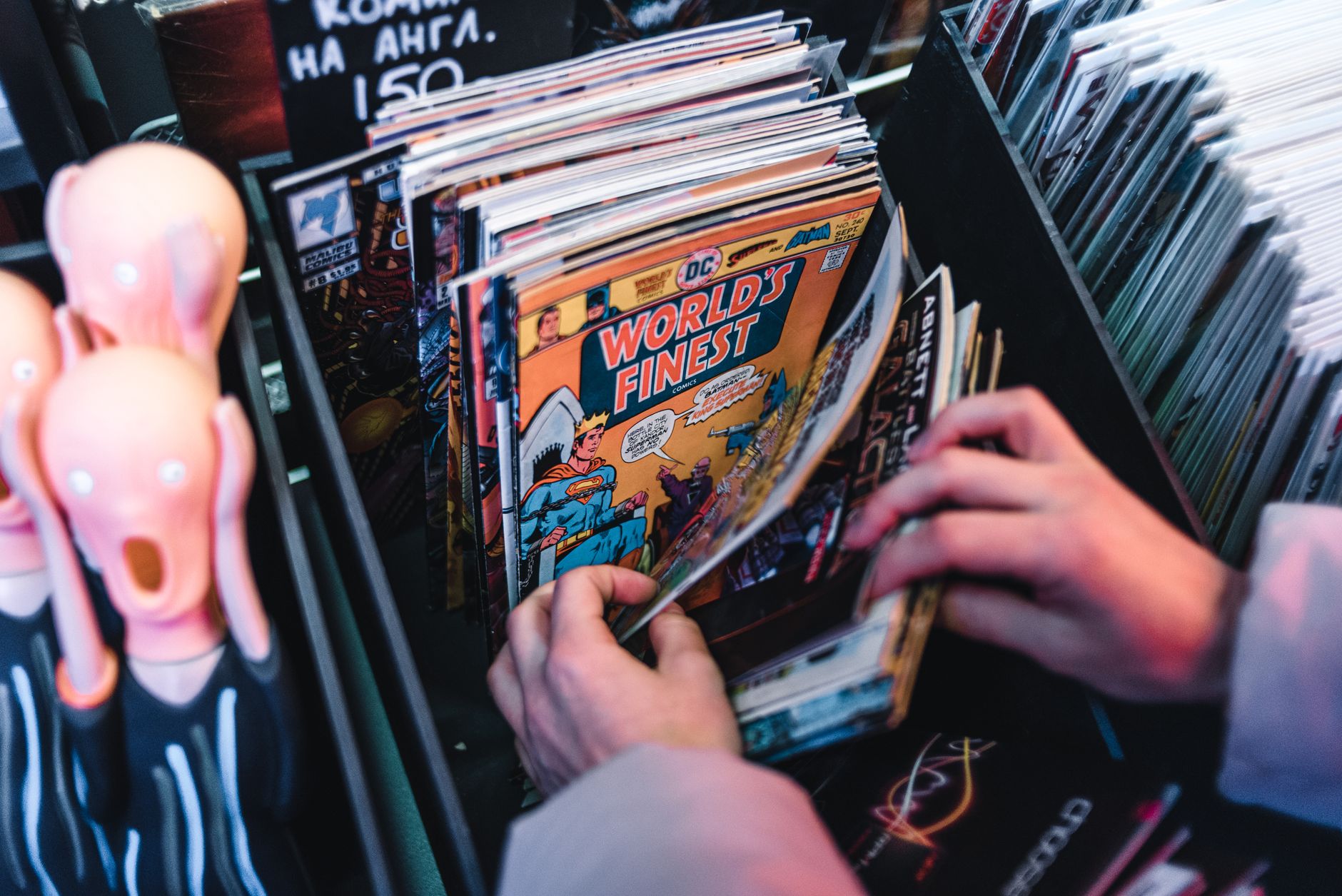
On November 7 and 8, the Biltmore Hotel will host the inaugural edition of ICON, an event dedicated to original comic art and the direct relationship between artists and collectors.

Paul Greengrass takes The Uprising to the Middle Ages: a story of peasants and power that uses the 1381 revolt to examine the origin of Robin Hood.
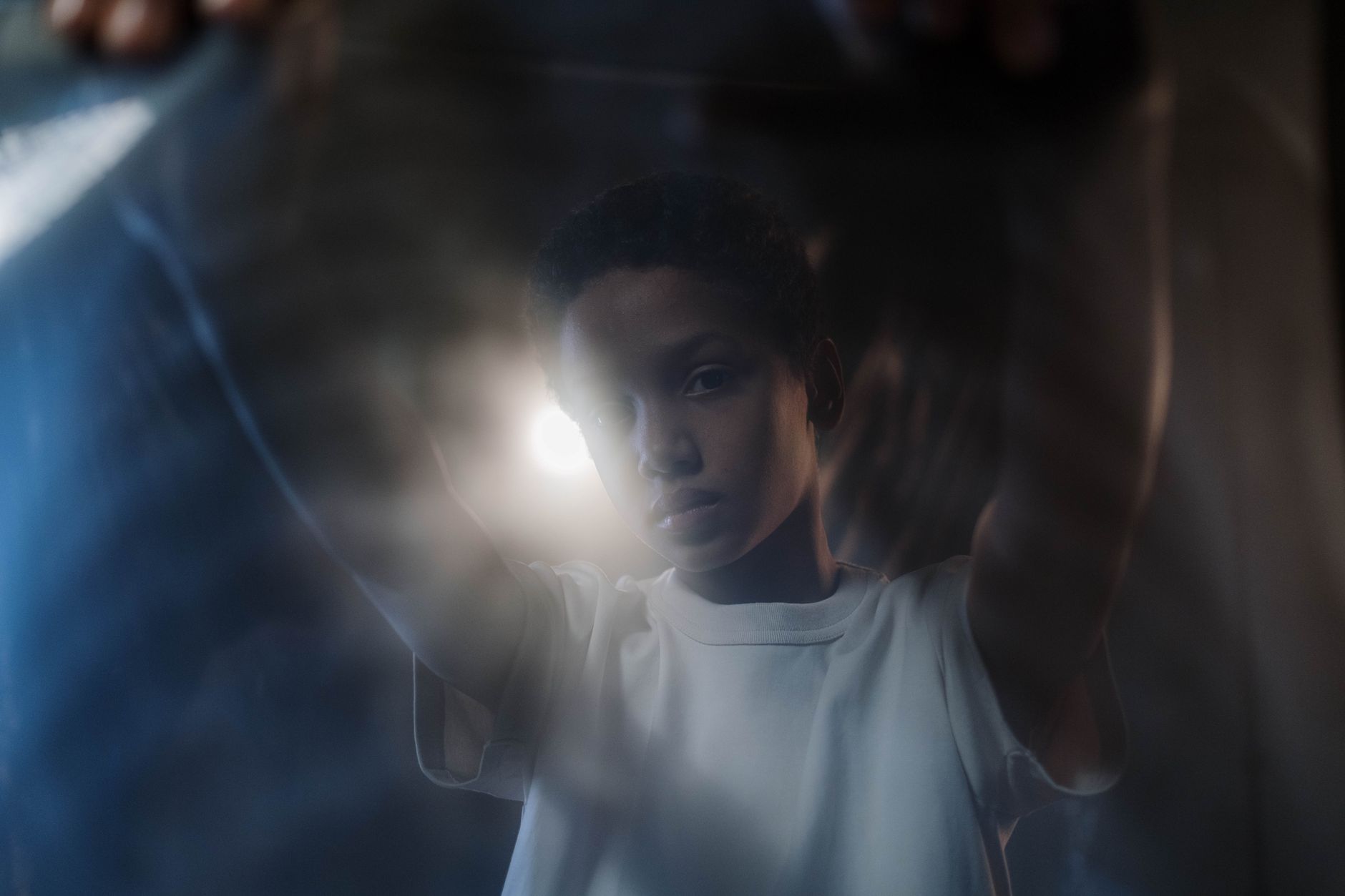
Two upcoming independent films bring Sophie Okonedo back to the center of cinema: a career choice built on minimizing compromises and waiting for the right roles.
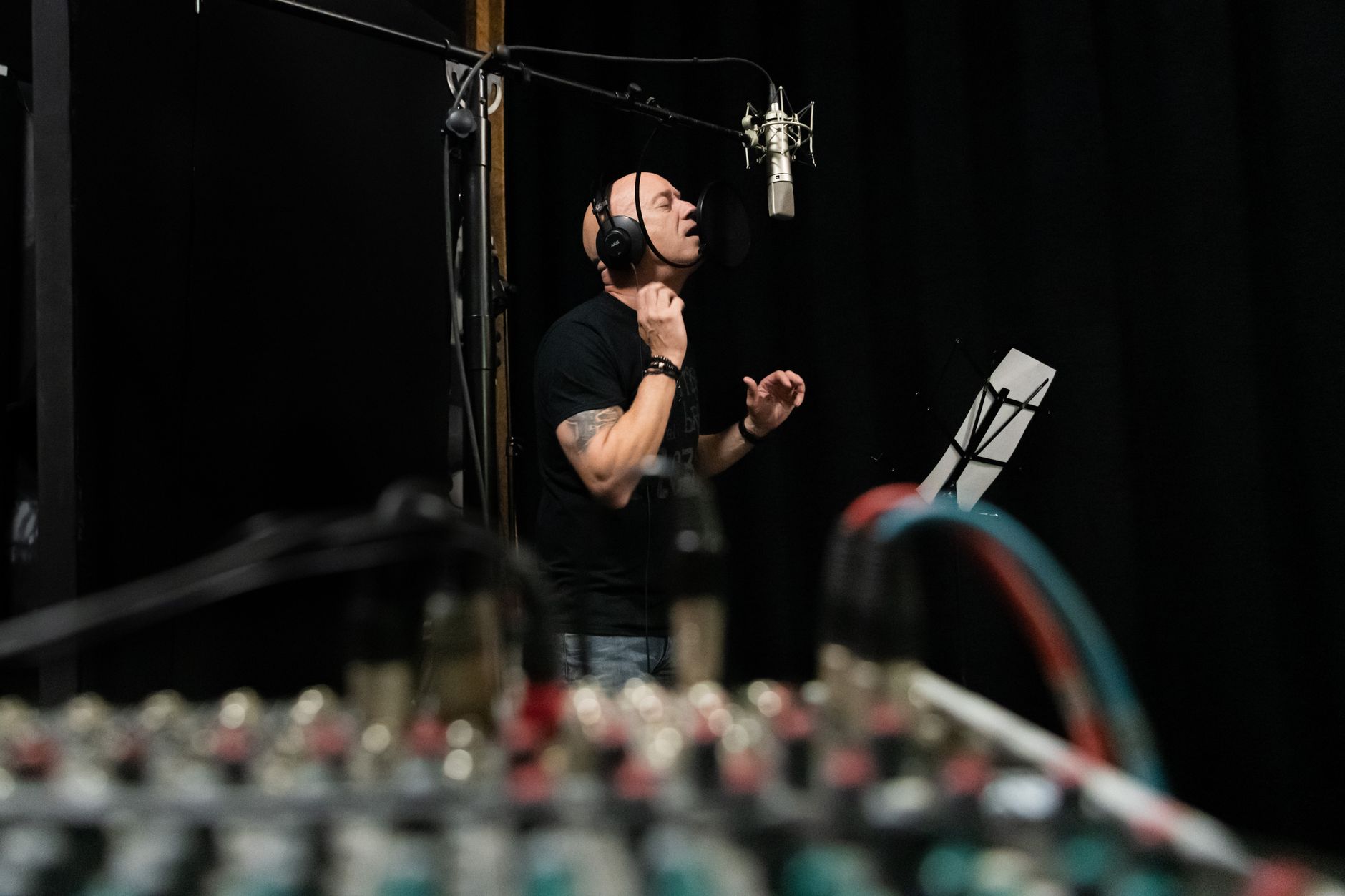
Mike McFarland has died at the age of 56 following a battle with cancer. An actor, writer, and director, he contributed for years to the English dubbing of anime such as One Piece and Dragon Ball.

Asa Germann, seen in Gen V, joins the X-Men reboot as Angel. The casting adds Warren Worthington III to a lineup already introduced by Marvel.

T-Mobile Fiber launches limited-time deals on 300 Mbps, 1 Gig, and 2 Gig plans. The catalyst is football season, but the real market is home streaming.

Tyler Nilson will write and direct the adaptation of Counting Miracles for Amazon MGM, a Nicholas Sparks novel with Alan Ritchson already in the cast.

The documentary The Trial of Alec Baldwin reconstructs the death of Halyna Hutchins and the trial against the actor, questioning media, guilt, and justice.

Paramount is developing a film based on Hawaii Five-O with Destin Daniel Cretton directing. The project brings a CBS property, already successfully rebooted on TV, back to theaters.

Prime Video cancels Spider-Noir after its debut. Two days later come five Emmys, an outcome that turns the case into a signal for the industry.

From October 2 to 12, the Hamptons International Film Festival will bring together titles from Sundance and new premieres, alongside conversations featuring Amanda Seyfried, John Turturro, Jesse Eisenberg, and Ron Howard.

Yuval Abraham and Rachel Szor bring NAZA to Venice: 24 anonymous former Israeli personnel reveal the operational mechanisms behind civilian deaths in Gaza.
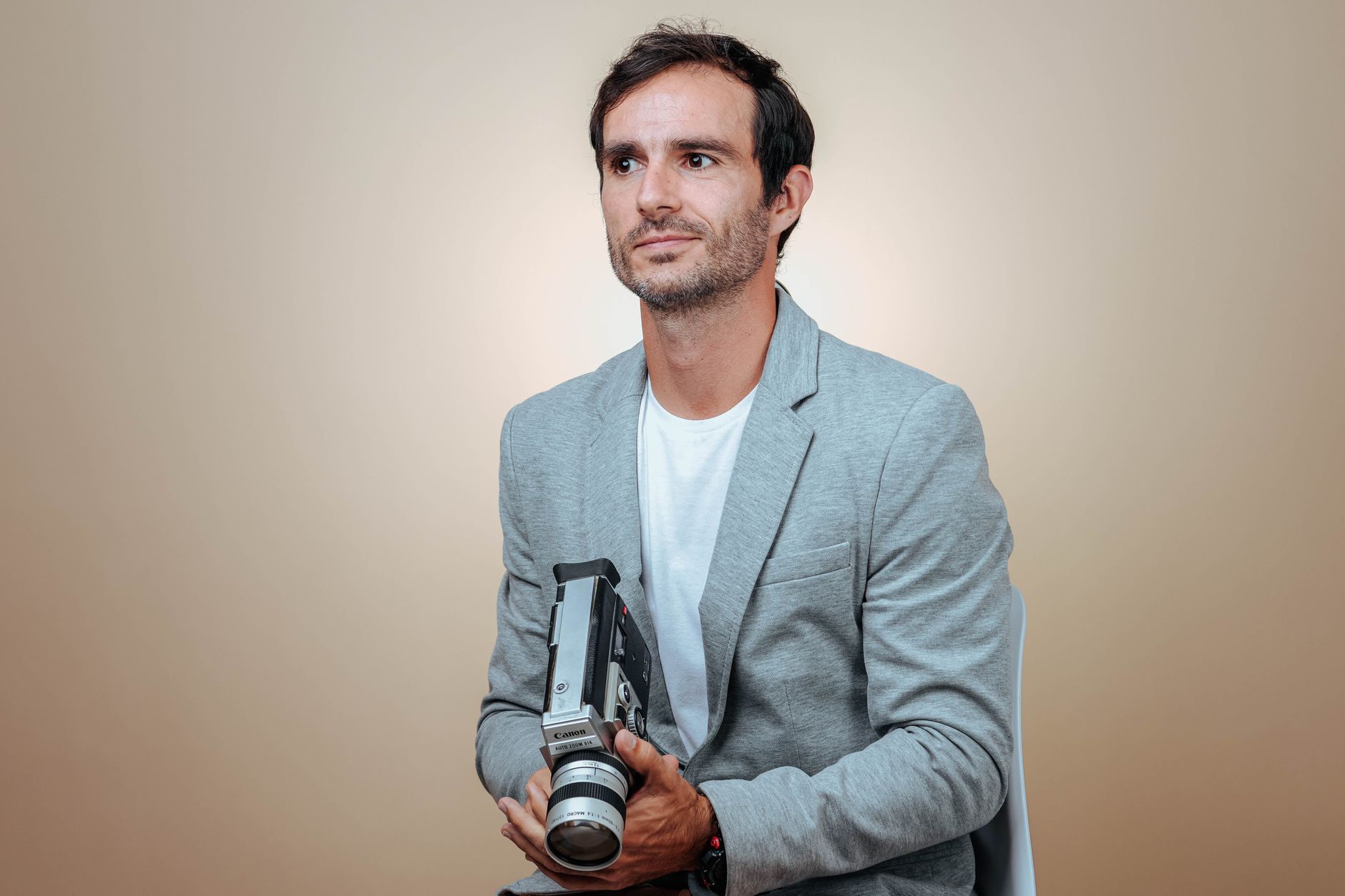
In Venice, Louis Garrel accompanies Nanni Moretti's new film and reflects on his beginnings with Bertolucci and Christophe Honoré, marked by extreme roles.

We used to decide what to watch and then look for where to find it. Today, we often open Netflix, Prime Video, or another app and let the available catalog define our choice.
With thousands of titles available, we often end up returning to the ones we already know. It is not laziness: it is one of the ways we turn cinema into personal memory.

They should make us want to watch a movie, not leave us feeling like we've already seen it. Yet many trailers seem increasingly closer to a summary than a promise.
For decades, the living room was considered the place to catch up on a film that had already completed its theatrical run. Today, home viewing has become an experience with its own language and distinct advantages.
Two hours and forty minutes, three hours, no intermission: contemporary cinema demands more and more time. But perhaps the problem isn't the runtime, it's managing to earn it.