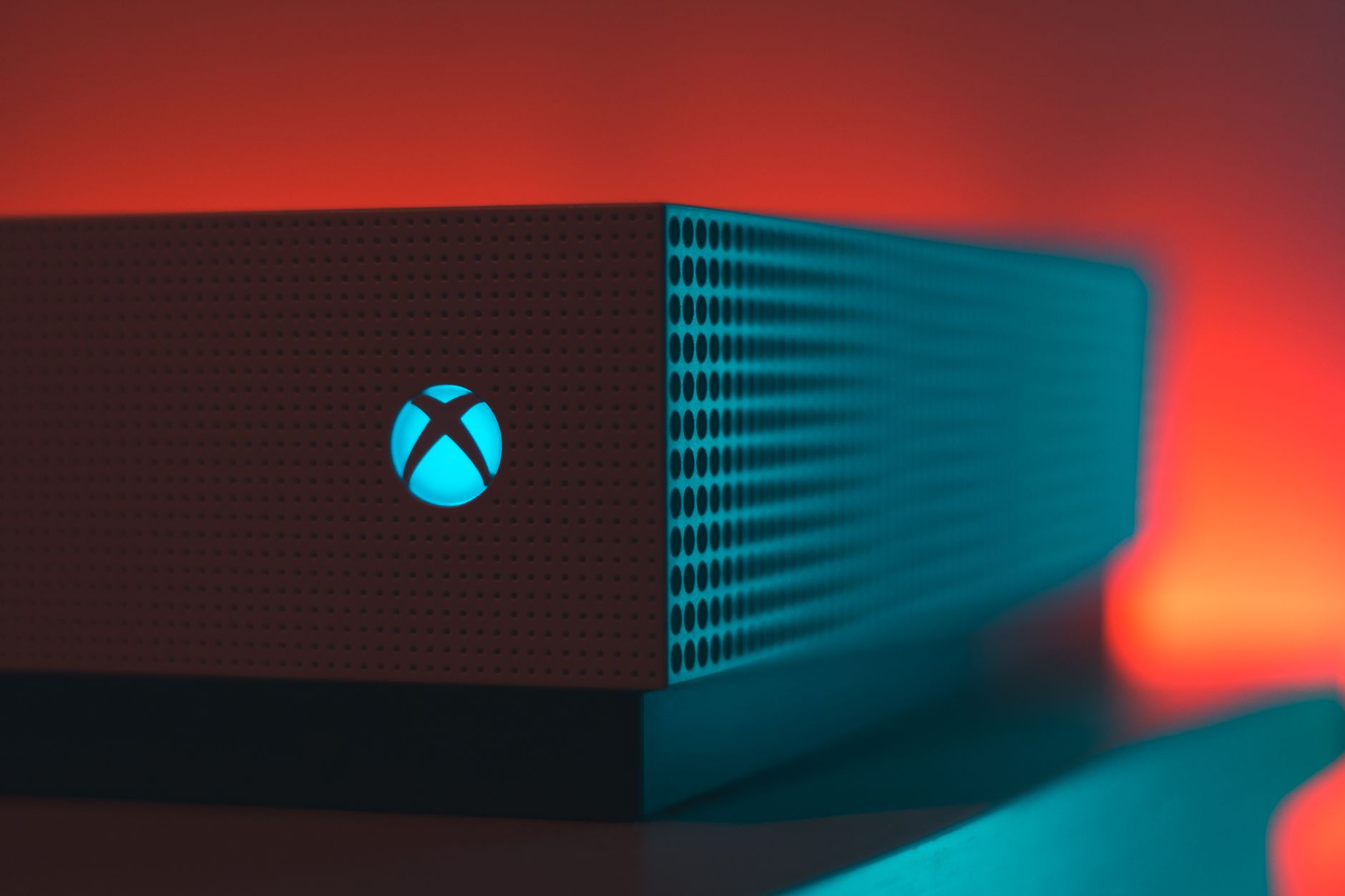
Big Walk will not be coming to Xbox, at least as long as Microsoft and its gaming ecosystem remain among the targets of the BDS movement. House House, the Australian studio known for Untitled Goose Game, has publicly explained that the absence of a version for Microsoft consoles does not stem from technical hurdles, development priorities, or a missed commercial deal: it is a political decision, made to adhere to the boycott campaign led by Palestinian organizations.
The choice carries particular weight because Big Walk was built around cooperation. The game, published by Panic and launched on August 4, features a multiplayer adventure in which groups of players explore open environments, solve small obstacles, and stay in touch through limited communication tools. House House envisioned a title to be experienced with friends, and the studio openly acknowledges that skipping Xbox prevents part of that audience from participating.
In the statement released by the team, House House says it understands the disappointment of players who will not be able to join their friends on Xbox consoles. However, it believes that the cost of this exclusion is consistent with the BDS campaign and with the idea that coordinated collective action can exert pressure even on major corporations. The studio explicitly ties any potential return to Xbox to a change in Microsoft's status on the boycott list.
Why BDS included Microsoft among its targets
BDS, an acronym for Boycott, Divestment and Sanctions, is a movement led by Palestinian organizations that promotes economic, cultural, and institutional pressure on entities deemed involved in or complicit with Israeli policies toward Palestinians. Microsoft was named a priority target by the movement in June 2025, in connection with its contracts with the Israeli government and military apparatus.
The campaign does not only concern enterprise software or the cloud: in Microsoft's case, it explicitly calls for avoiding Xbox, Game Pass subscriptions, gaming division accessories, and franchises controlled by the group, including Call of Duty and Candy Crush. For House House, then, releasing on Xbox would have meant operating through a platform directly named in the boycott call.
Microsoft has also been at the center of internal protests. In recent months, company employees have challenged its ties with Israel and its activities in the region; several participants in pro-Palestinian demonstrations were fired. The debate over the use of cloud infrastructure and digital technologies in armed conflicts has thus reached the video game industry as well, which is typically perceived as detached from the decisions of major tech conglomerates.
An exclusion that affects Xbox, not Windows
House House's stance makes a clear distinction: Big Walk is not available on Xbox, but it can be purchased on Steam and played on Windows PC, an operating system developed by Microsoft. At present, there is no explanation from the studio for this difference.
It is a factor bound to spark debate, as it shows how difficult it is to enforce a boycott against a tech company operating across multiple tiers of the supply chain: operating systems, cloud services, developer tools, consoles, digital storefronts, and intellectual property. For an independent developer, skipping a console platform can be a contained choice; abandoning Windows, however, would mean a far more radical overhaul of the game's distribution, compatibility, and potential audience.
The fact that Big Walk is available for purchase on Steam does not, however, equate to a presence in the Xbox ecosystem. Microsoft consoles require a dedicated release, certifications, technical support, and a specific sales channel. House House chose not to pursue that path, foregoing a share of console players and, potentially, additional revenue.
The precedent for independent studios
Big Walk is by no means a marginal debut project. The game surpassed one million copies sold in less than a week from launch, a remarkable milestone for an independent cooperative title and for a small team like House House. It launched on PC, PlayStation 5, Nintendo Switch 2, and Mac, quickly building a community drawn to its social dimension.
It is precisely this popularity that makes the stance far more visible than it would have been in the case of a niche title. House House is not withdrawing a product already available on Xbox, nor has it announced changes to other versions: it is, however, publicly setting a limit on its commercial distribution. In a market where access to as many platforms as possible is often considered essential, the decision introduces a tangible form of developer activism into the gaming debate.
It is not guaranteed that other independent studios will follow suit. Financial conditions, team sizes, publishing agreements and platform dependency vary greatly from case to case. However, House House's statement makes it harder to treat the absence of an Xbox version as a mere catalog gap: here, the decision not to publish is part of the message.
For players, in the short term, the outcome is straightforward. Those who only own an Xbox console cannot play Big Walk on their platform, nor is there an announced release window. Those using PC, PlayStation 5, Nintendo Switch 2 or Mac can instead access the versions already available. House House has kept the door open for a future release, but on one condition that does not depend on game development: the removal of Microsoft and/or Xbox from the BDS boycott targets.
Ultimately, the case highlights a broader shift in the relationship between the cultural industry and technology platforms. Companies providing infrastructure, hardware and services are no longer just technical partners for game creators: for some developers, they are also political entities to be evaluated before deciding where to publish. Big Walk thus becomes one of the rare examples where that evaluation directly results in the deliberate absence of a console version.


