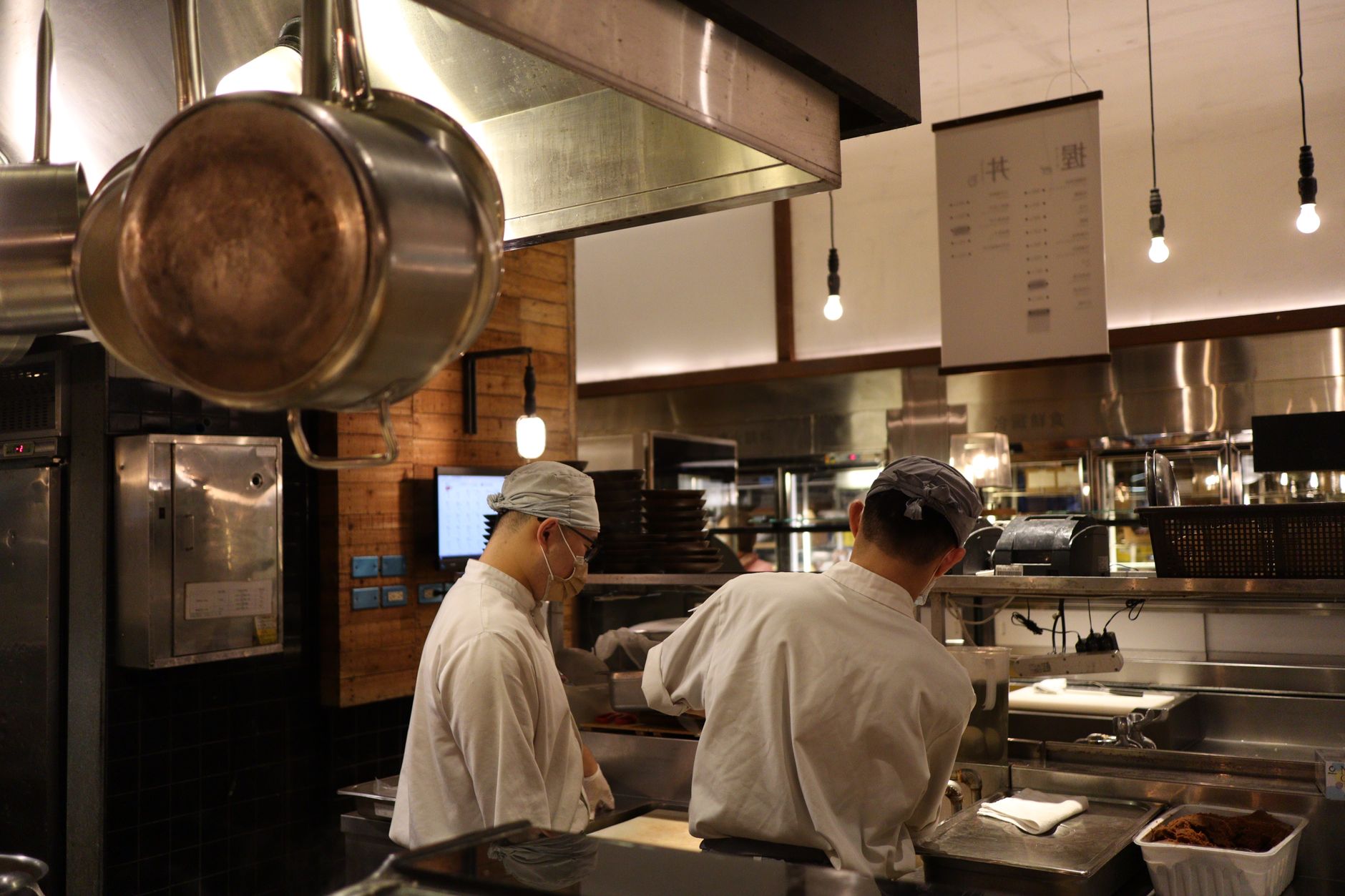
For an evening, a weekend, or a longer period, the kitchen changes hands without the venue necessarily changing its name. This is the mechanism behind a chef residency: a restaurant makes its space, kitchen brigade, dining room, and organizational structure available to a guest chef or external culinary project, who brings a menu designed specifically for the occasion. It is neither a traditional four-hands dinner nor a simple promotional collaboration. The guest chef temporarily takes command of the pass, sets the direction of service, and transforms the venue into a different destination from the usual.
The formula has found fertile ground especially in major international cities, London in particular, where the high mobility of chefs, diners, and independent venues has fostered temporary projects. Now it is also emerging with greater regularity in Italy. The term might sound like a passing trend, but behind it lies a very tangible need in contemporary dining: making better use of space and skills, offering new experiences to the public, and allowing emerging talent to gain exposure without immediately taking on the costs and risks of opening their own place.
A restaurant that becomes a platform
In its clearest form, the resident restaurant does not surrender its identity: it temporarily places it in service of another culinary vision. This can happen on closing days, during off-peak hours, or as part of a dedicated schedule. The host venue retains operational responsibility—reservations, supplier relationships, equipment, front-of-house staff, and permits—while the guest chef brings ideas, recipes, techniques, and often a loyal customer base already engaged with their work.
Duration makes all the difference. A single service carries the feel of an event and demands concentrated marketing; a stay of several weeks, on the other hand, allows a menu to be road-tested, procedures refined, and repeatable demand confirmed. In between are weekend pop-ups, recurring monthly residencies, and restaurant exchanges. The residency is therefore not a rigid format: it is a contractual and creative framework capable of hosting vastly different culinary styles, concepts, and levels of service.
This shift in perspective also alters the role of the restaurateur. In addition to owning a venue and overseeing its kitchen, they can become the curator of a gastronomic program. They decide whom to invite, build a schedule, determine how closely the guest offering should interact with the in-house menu, and establish the financial terms. For patrons, trust is no longer placed solely in the chef behind the stoves: it also hinges on the venue's ability to curate coherent, well-executed experiences.
A lower barrier to entry, but not without costs
For those cooking, the appeal is clear. Opening a restaurant requires capital, significant lead times, contracts, staff, and steady demand. A residency lowers the barrier to entry because it allows a concept to be tested using existing infrastructure. It is a valuable opportunity for chefs working as consultants, for those returning from abroad with a project still in development, for teams looking to test a concept before committing to a permanent location, or for professionals who do not wish to run a business full-time.
This does not mean, however, that risk disappears. A menu designed in the abstract must work within the real-world dimensions of the host kitchen, with its ovens, refrigerators, pacing, and storage constraints. Responsibilities regarding purchasing, waste, food allergies, food safety protocols, and staffing must be established in advance. Even a signature ingredient can become an issue if it is not consistently available or if the event's volume does not justify the order.
The financial model must also be structured with precision. Revenue sharing, chef compensation, extra staffing costs, raw ingredients, and marketing expenses can take on very different configurations. A sold-out event does not automatically translate to a profitable operation for both parties. A residency succeeds when there is a clear agreement on margins, roles, and objectives: experimentation, visibility, filling slow days, launching a new project, or acquiring a new audience.
Why audiences seek unrepeatable events
The restaurant industry has long relied on reservations, limited availability, and seasonal menus. Residencies add an additional element: an explicit timeframe. Customers know that this cuisine will only be in town for a short time and that the menu might never be repeated in the same way. Urgency can drive bookings, but it is not enough to guarantee good service. If the event is perceived as a shortcut to raise prices or generate social media content, the promise of exceptionality quickly wears thin.
When properly designed, however, the formula brings the variety of the dining scene into clearer focus. A single venue can bring together regional traditions, migrant cuisines, plant-based research, breadmaking, fermentation, or informal formats that would rarely find a place on a restaurant's permanent menu. The value does not lie in piling up novelties, but in contextualising a guest voice and allowing it to operate with sufficient autonomy.
For Italian establishments, the delicate challenge will be avoiding merely importing the label. The fabric of the country's restaurant industry also consists of family-run trattorias, neighbourhood spots, and businesses with small kitchen brigades, where overhauling operations for an event takes considerable effort. A residency does not necessarily have to mean fine dining or an expensive ticket: it can work in more accessible formats, but only if the concept respects the audience, the venue's rhythms, and the daily work of those running it.
From a special evening to a programmable model
The difference between an isolated initiative and true ongoing programming will become evident over time. A continuous schedule can help a restaurant balance workflows, make certain days of the week productive, and keep attention focused on a venue. It can also foster professional relationships: chefs, producers, bartenders, and small operators find a meeting point that is less permanent than a new opening, yet more structured than an occasional guest appearance.
Significant limitations remain. The frequency of events can disorient regular patrons; the kitchen staff may perceive a guest's arrival as an extra burden if not properly involved; the restaurant's identity risks becoming blurred if each event speaks a language completely disconnected from the last. For this reason, curation matters as much as the menu. Hosting means ensuring standards, not simply handing over the stoves.
The first Italian experiences will therefore be interesting not so much for their ability to replicate London's dynamism, but for how they adapt the model to their own cities and economies. A chef residency can offer a middle ground between standing still and opening a new venue: a temporary kitchen with concrete ambitions that tests ideas and operations before potentially turning them into a permanent location.