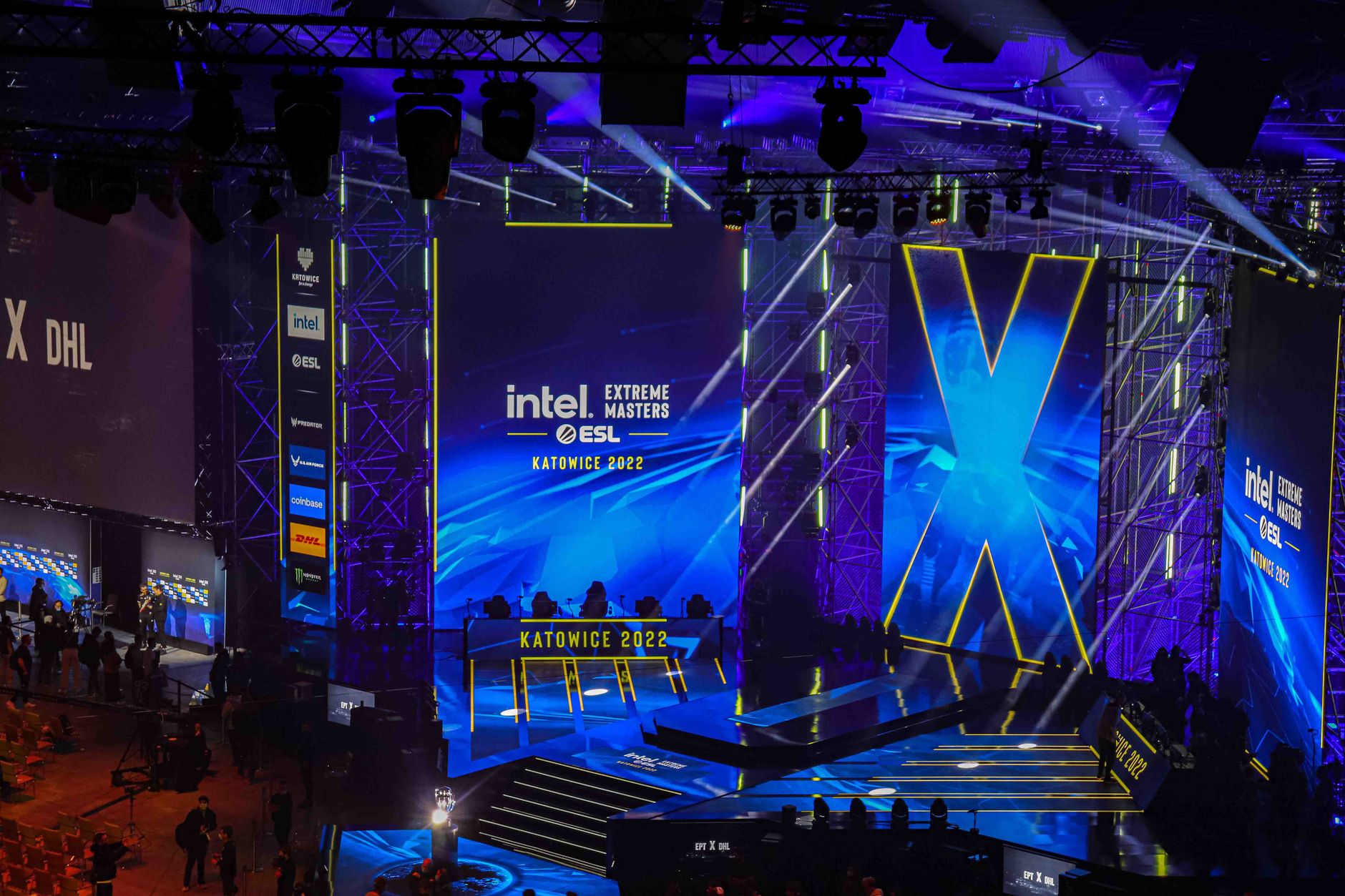
For years, European video games have had to endure a curiously outdated debate: are they truly culture? France seems eager to put the question to rest. President Emmanuel Macron has announced an international festival dedicated to video games, placing the medium within the same sphere as cinema, literature, and other creative industries that the country also leverages as instruments of cultural influence.
Context matters. The international success of Clair Obscur: Expedition 33 demonstrated that a French studio can create a title capable of becoming a global phenomenon without simply copying American or Japanese templates.
Video games are cultural industry and technology
Unlike many arts, a game is born from the convergence of writing, music, design, software, graphics, and hardware. This hybrid nature makes it especially compelling for industrial policy: funding gaming means supporting skills transferable to animation, visual effects, simulation, and artificial intelligence.
France already boasts a major ecosystem, from Ubisoft to a new generation of independent studios. An international festival can serve as a showcase, a trade marketplace, and an instrument of legitimization.
Europe competes on language, not scale
The United States dominates a major share of the industry through platforms and large publishers, Japan owns some of the world's most enduring intellectual properties, and China possesses mobile and online giants. Europe is unlikely to win simply by copying the scale of these ecosystems.
However, it can build a recognizable voice: smaller studios, strong artistic identities, historical heritage, and alternative production models. It is the same logic by which European cinema has maintained its influence without outperforming Hollywood at the global box office.
A festival does not solve the industry's problems
Layoffs, development costs, access to capital, and reliance on digital storefronts remain concrete challenges. An institutional event cannot replace investments and policies capable of helping studios grow.
Yet symbols change how an industry is perceived. When a government treats video games as culture, discussing preservation, education, tax incentives, and professional training becomes far more natural. The question is no longer whether gaming deserves a place in European cultural policy, but what place we want to give it.


