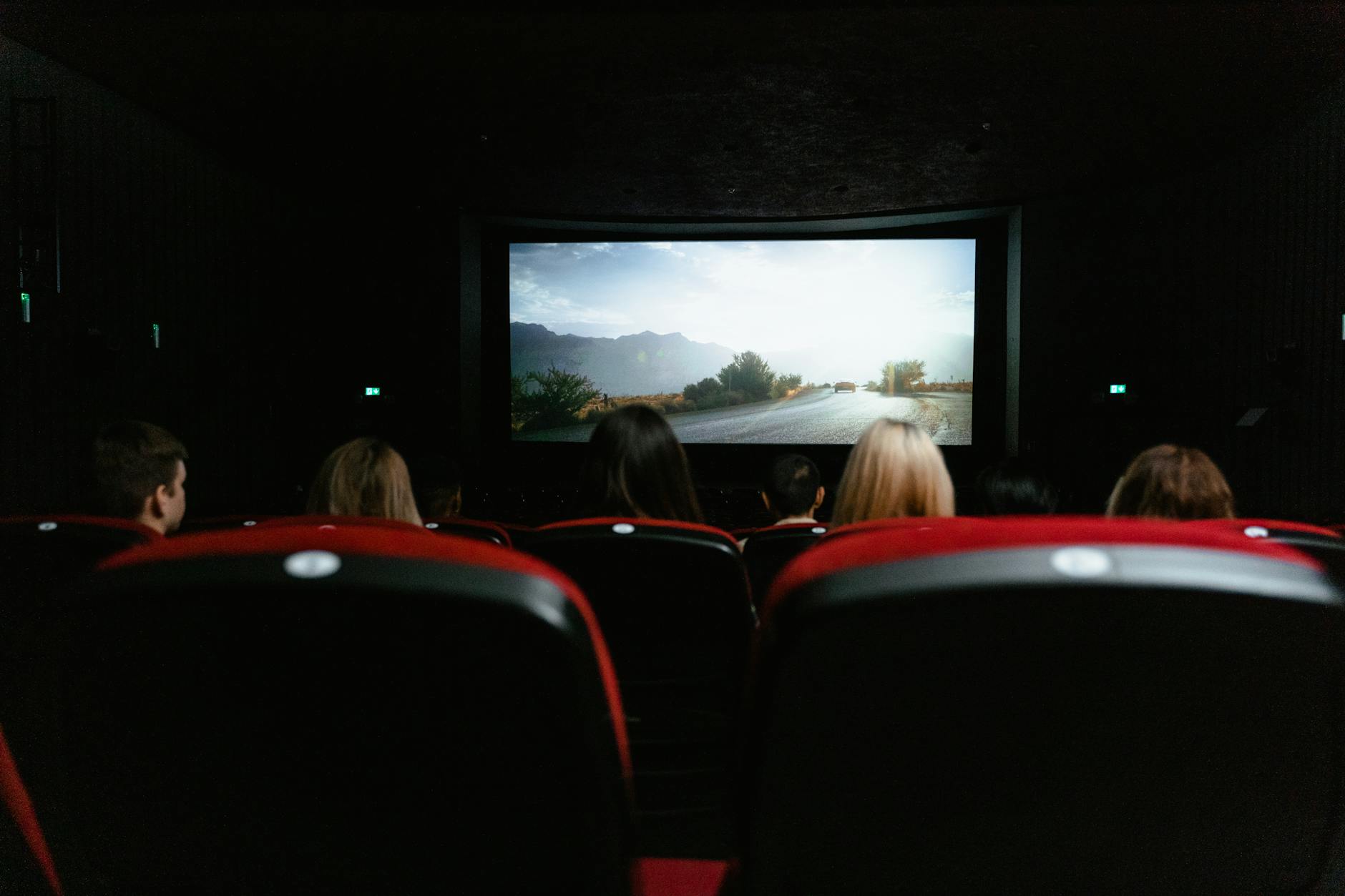
Two hours and forty minutes. Three hours. No intermission. The drink finished before the plot has even truly taken shape.
In recent years, cinema seems to have rediscovered an old obsession: runtime. Not just for blockbusters, where we are now almost used to sitting in the theater knowing we will leave much later, but also for thrillers, dramas, and arthouse films.
It is easy to dismiss the issue by saying that audiences have lost their attention span. We spend hours on social media and then complain about a 150-minute film. But perhaps that is not quite the problem.
Time doesn't scare us, if it's worth it
TV series have taught us to dedicate ten, twenty, fifty hours to the same story. So time, in itself, is not the enemy. What has changed is our willingness to give it away to something that fails to convince us it deserves it.
A three-hour film can feel short. A ninety-minute film can feel endless. The difference lies in the pacing, the density of ideas, the feeling that every scene truly has a reason to be there.
That is why runtime has become an increasingly visible part of the discussion around films. Even before knowing whether a title is good, we already know how long it runs. And that number influences the choice: is it worth an entire evening? Better to wait for streaming? Can I afford to get home at midnight?
The theater asks for something the rest of the world no longer does
Streaming platforms allow you to pause, rewind, answer a text, grab something to eat. The movie theater does not. When the lights go down, the pact remains the ancient one: for a while, only that screen exists.
And this is precisely where length takes on a different meaning. A very long film does not just ask for attention; it asks for commitment. It forces you to organize your evening around it. It is an almost radical demand in an era designed to constantly interrupt any experience.
For some moviegoers, it is a nuisance. For others, it is precisely the reason why going to the cinema still makes sense. Those three hours become a pause without notifications, without breaks, without the temptation to open another tab.
When runtime becomes a statement of power
Then there is a less romantic aspect. Major franchises want to turn every release into an event. The most recognizable directors can afford leeway that a newcomer could hardly expect. And a lengthy work immediately conveys ambition: “this story needs your time.”
Yet ambition is not enough. If every sequel must be bigger, louder, and longer than its predecessor, runtime risks becoming a shortcut to simulate importance.
The real question, then, is not whether an ideal length exists. It does not. Cinema has worked brilliantly with eighty-minute films and with works comfortably exceeding three hours.
The real issue is different: when you ask someone for so much time, every minute becomes more precious.
Perhaps we don’t want shorter films. We want more necessary films
Contemporary viewers have not stopped dedicating time to stories. In fact, they have probably never consumed so many. However, they have become far more aware of what that time is worth.
A long film, then, is not automatically a problem. It can even be a luxury: the chance to remain inside a world long enough to forget what lies outside.
Runtime only becomes unbearable when you feel it.
Perhaps, then, movies haven't become too long. They have simply become long enough that they can no longer hide when they don't have enough to say.
Runtime has also become an industry problem
The issue is not just about viewer patience. In 2025, admissions in European cinemas fell by 5.5%, according to the European Audiovisual Observatory, while box office revenues remained virtually flat, partly thanks to higher average ticket prices. In an environment where every evening at the cinema must compete with streaming, gaming, and social media, demanding three hours of attention is an increasingly challenging choice.
Yet runtime alone does not explain a film's success or failure. A long narrative can work if it generates pacing, immersion, and narrative necessity. The problem arises when duration becomes a status symbol: the idea that an important work must inevitably expand.
The real question, then, is not whether films are too long. It is whether the time required is proportionate to the experience offered. In a market where attention is increasingly contested, earning two hours and forty minutes has become part of the creative work.


