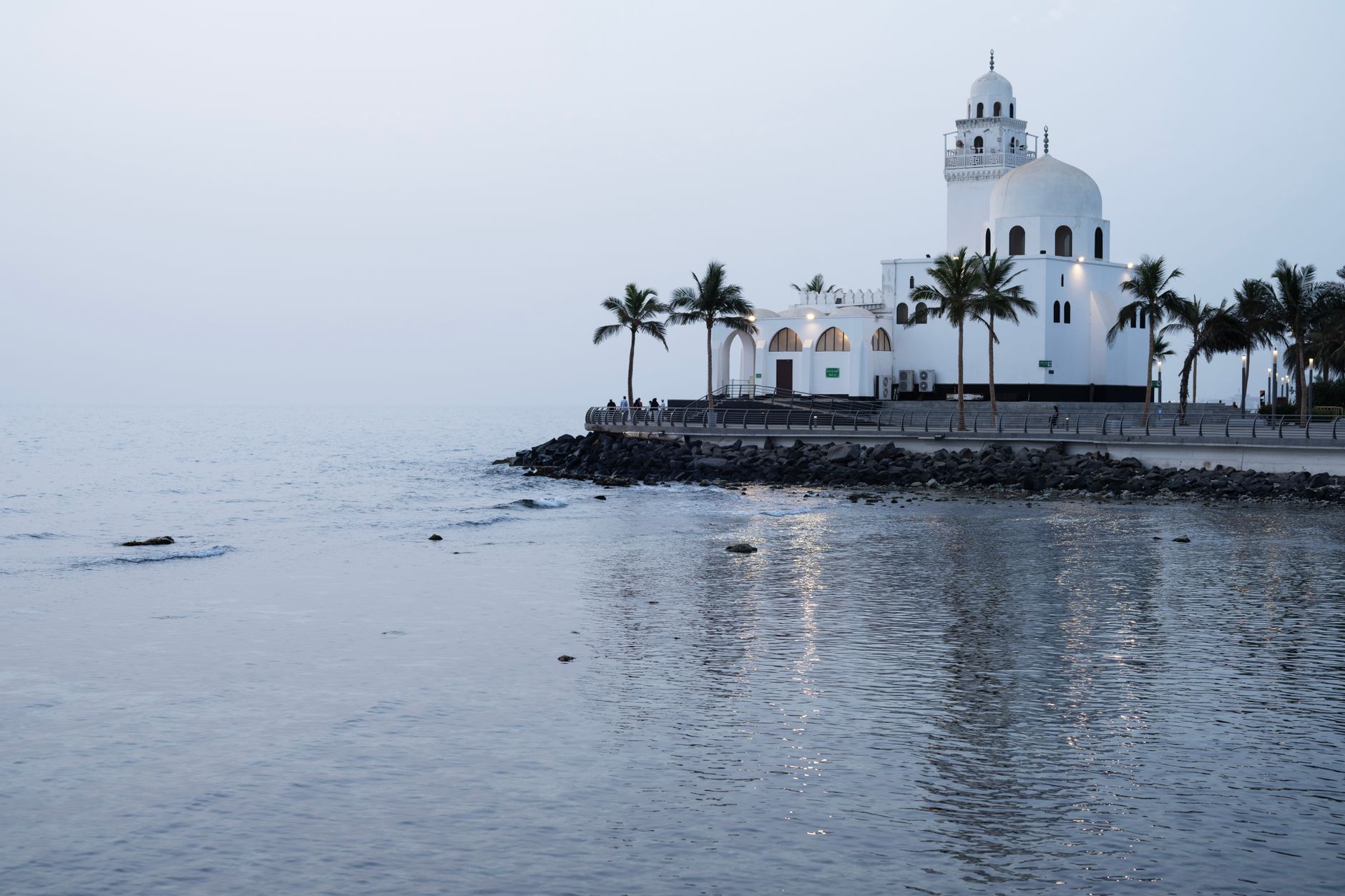
The Red Sea International Film Festival will not take place in 2026. The Red Sea Film Foundation has canceled the edition scheduled for December 3–12 in Jeddah, postponing the sixth edition to the fourth quarter of 2027. For Arab cinema and for the international network of producers, sales agents and financiers that had begun to treat the Gulf as a stable stop on the industry calendar, this is more than a change of dates: for one year, one of the few platforms combining public visibility, market activity and project support will be missing.
The foundation did not identify a single cause for the pause. In a statement released Monday, it referred to a broader assessment of the timing of the next edition and the operational demands involved in organizing an international event of this scale. The stated goal is to return when conditions allow the festival to deliver the level of experience associated with the brand. The 2027 edition is already being framed as a relaunch, with a renewed vision and a program aimed at Saudi, regional and international filmmakers.
The cautious wording leaves room for a broader and more delicate context. For weeks, the Gulf region has been affected by tensions linked to the conflict involving the United States, Israel and Iran, the repercussions for neighboring countries and a renewed escalation between Saudi Arabia and the Iran-backed Houthis. Jeddah is a city on the Red Sea, and Saudi Arabia has already seen its Formula 1 Grand Prix canceled in 2026. The foundation has not explicitly tied its decision to the geopolitical situation, so it would be inaccurate to present that as the official reason. It is, however, a backdrop that complicates travel, insurance, security and the management of guests and delegations for a global event.
An appointment worth more than the red carpet
The Red Sea Film Festival was launched after commercial cinemas reopened in Saudi Arabia at the end of 2017, following a 35-year ban. In just a few years it became central to the kingdom's strategy to build a domestic audiovisual industry while positioning itself as a bridge between Hollywood, Europe, Asia and the Arab world. The festival has attracted major names to its red carpet, but its real importance to the industry has been in its professional activities.
The Red Sea Souk, the market connected to the festival, has brought executives and industry professionals from Netflix, Amazon, Disney, MBC and other major groups to Jeddah. For producers and creators across the MENA region, the Souk is not just a showcase: it is a place to seek co-production partners, distribution deals, international sales and financing. Its absence in December 2026 narrows an already selective calendar for projects in development and films looking for routes beyond traditional Western markets.
The effect extends beyond Saudi Arabia. In recent years the festival has helped increase the visibility of stories, talent and production companies from the Middle East, North Africa and parts of Asia and Africa that are often underrepresented in the industry's main hubs. An annual event provides continuity: professionals can reconnect, advance negotiations started earlier and plan releases. Missing an edition does not erase that network, but it breaks the rhythm on which parts of the market had begun to rely.
The pause comes during an internal transition
The postponement also coincides with a leadership transition at the Red Sea Film Foundation. In June, long-serving managing director Shivani Pandya Malhotra, one of the figures who helped build the festival, left her role together with several members of her team. A successor has not yet been named. Meanwhile, Faisal Baltyuor, a pioneer of the Saudi film sector, has led the foundation as CEO since May 2025.
Choosing not to force a 2026 edition may therefore give the organization time to redefine its structure, priorities and identity. That can bring benefits, but it also carries clear risks. Festivals build credibility through continuity and by keeping promises to producers, sponsors, distributors and audiences. A pause can help fix an increasingly complex organization, but it can also push some industry players to redirect budgets, premieres and relationships toward other regional or international events.
The issue matters even more because the Red Sea Film Festival has been one of the most visible instruments of Saudi Arabia's cultural expansion under Vision 2030, the national program designed to diversify the economy beyond oil. Cinema, alongside music, live events and tourism, has become part of the country's opening strategy. At the same time, major institutional investment has also flowed into sport and gaming. The postponement does not by itself prove a retreat from film, but it does test whether the industrial project built around cinema can remain coherent over time.
Funds and training programs remain active
The foundation stresses that its work will not stop for a year. The Red Sea Fund and Red Sea Labs will continue operating, together with other programs that support the industry. That is an important distinction: the festival is the moment of maximum visibility, while funds and labs influence less visible but decisive stages such as project development, writing, professional training and production.
Starting in November 2026, Culture Square in Jeddah will also host year-round screenings, cultural events and specialized initiatives for the film industry. It will not replace the concentration of meetings or the international resonance of ten days of festival and market activity, but it prevents the year-long pause from becoming a complete void. It will also be a test for the foundation: turning a venue into a permanent destination requires programming capable of speaking both to local audiences and to industry professionals.
The next festival is therefore expected in the fourth quarter of 2027, with exact dates still to be announced. Between now and then, the task will be twofold. Operationally, the organization will have to rebuild a structure capable of guaranteeing the level of hospitality and security expected from an event of this profile. Editorially and industrially, the next edition will need to explain what the promised renewal actually means: which films, which professionals, what relationship with the international market and how much space for regional talent. For a festival born as a symbol of Saudi Arabia's rapid expansion into cinema, the success of its 2027 return will be measured less by the guest list than by the strength of the infrastructure supporting it.