RWE has broken ground in Sicily on its first battery storage system in Italy. The project, named BESS Ragusa, will feature a power rating of 62.5 MW and a capacity of 262.5 MWh; commissioning is scheduled by the end of 2027. For the German group, which already operates wind and photovoltaic plants in the country, the operation marks its direct entry into the Italian grid-scale electrochemical storage segment.
The figures describe a facility with a four-hour nominal duration: at maximum power, the batteries can deliver 62.5 MW for four consecutive hours. This configuration is not designed to generate electricity, but to absorb energy when it is abundant and return it during periods when the system demands it most. In the use case outlined by RWE, the facility will help cover evening consumption peaks, which tend to coincide with the drop in photovoltaic generation.
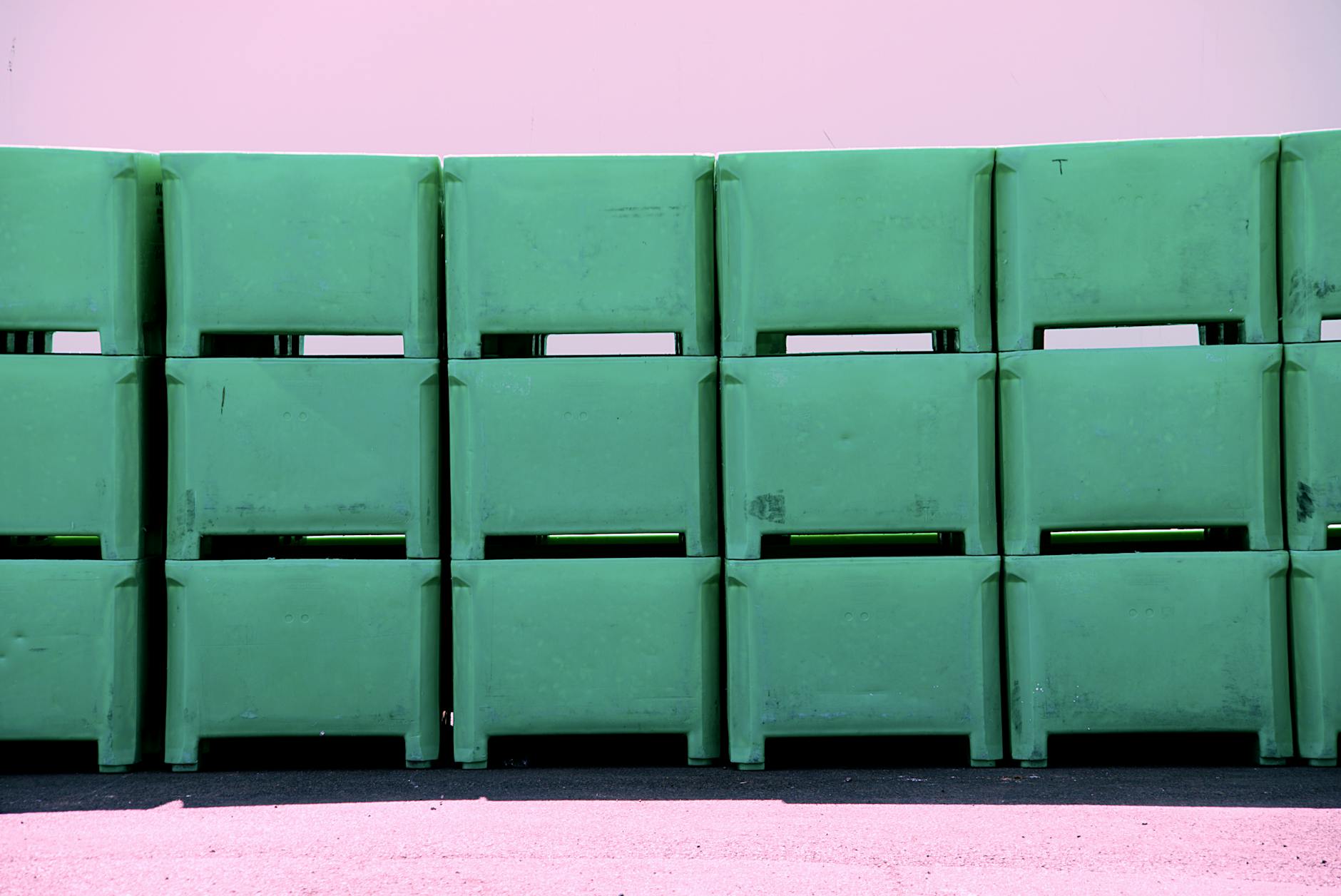
The site will feature 42 containers housing lithium-ion batteries. Alongside the storage systems, RWE will construct the necessary grid connection works, including a high-voltage transformer for the 150 kV connection. The choice to include grid infrastructure in the scope of work is significant: a utility-scale BESS is only as effective as its ability to exchange energy and ancillary services with the electrical system in a fast, reliable manner coordinated with the grid operator.
A balancing asset, not a new generation source
Energy storage can address one of the primary operational challenges of the energy transition: the time mismatch between generation and demand. Solar and wind feed energy into the grid based on resource availability, while consumption follows different rhythms, often peaking during the evening hours. Charging a battery during peak generation periods and discharging it when renewable output declines mitigates imbalances and maximizes the usability of electricity generated by already-connected plants.
RWE will also allocate the Ragusa BESS to balancing services—the activities that help maintain a stable equilibrium between electricity generated and consumed. Across a power grid, this balance must be preserved from moment to moment. The growth of generation from non-programmable sources and the ongoing transformation of the production fleet make these services increasingly vital: batteries can respond far more rapidly than many conventional power plants, both when charging and when feeding into the grid.
The facility is also engineered for grid-forming network services, including instantaneous reserve, often associated with providing synthetic inertia. In simple terms, these capabilities allow inverters to support frequency stability and grid operations—a task historically carried out largely by the massive rotating machines of traditional power stations. This does not mean a single site can replace this system infrastructure on its own, but it signals the technical direction required for new plants in an energy mix featuring an expanding share of power electronics and renewables.
Why Sicily is a concrete testbed
The location in Sicily is no secondary detail. The island concentrates significant solar and wind resources and, like other regions experiencing rapid renewable growth, must reconcile new generation plants with actual grid capacity and demand trends. Energy storage does not eliminate the need to develop transmission and distribution networks, nor does it solve every local congestion issue. It can, however, inject flexibility close to the nodes where it is needed most, storing energy under specific conditions and helping manage rapid system fluctuations.
For RWE, Ragusa also represents a strategic portfolio evolution. In Italy, the company operates 18 onshore wind farms, one photovoltaic plant and three agrivoltaic plants, totaling approximately 670 MW of installed capacity. A further 200 MW of wind and solar capacity is currently under construction. Deploying a proprietary BESS allows RWE to pair renewable generation with an asset operating under entirely different dynamics: while it does not add MWh from primary sources, it can boost energy availability during periods of peak value for the system.
According to the estimate provided by the company, the site's capacity is equivalent to covering the evening peak electricity demand of approximately 21,000 households for four hours. This is a useful benchmark to visualize the scale of the facility, but it should not be interpreted as a dedicated supply to a specific group of users: the BESS will operate connected to the grid, and its energy will be part of the electricity system as a whole.
The key issue remains the economic viability of energy storage
The Ragusa site is part of an accelerating market, but one where project success depends on variables broader than battery technology alone. Revenues can come from arbitrage between hours with differing electricity prices, from grid services markets and contracts, and from other mechanisms that value capacity availability. The predictability of these revenue streams, market rules, and connection timelines have just as much impact as the facility's technical configuration.
The four-hour duration positions the project among storage systems capable of addressing not only very short-term fluctuations, but also part of the shift between afternoon solar generation and evening consumption. However, inherent limitations remain: a battery does not provide unlimited energy, must be recharged, and its effective capacity depends on operating status and grid conditions. For prolonged periods of low renewable generation or high demand, a mix of resources will therefore be required—ranging from grids to flexible generation assets, right through to other forms of storage.
RWE brings international expertise to the Italian project: the group reports operating roughly 1.7 GW of storage systems worldwide, with a further 3 GW under construction. These figures are not directly comparable with the 262.5 MWh at Ragusa, as power output and energy capacity measure different dimensions of energy storage. However, they show that for the company, storage has become a core development pillar rather than an isolated initiative.
The next step will be construction work, with the stated goal of entering service by December 2027. If the timeline is respected, BESS Ragusa will become operational at a time when the Italian grid's demand for flexibility will be increasingly tied to the growth of wind and photovoltaic generation. For the sector, the project's value lies not only in the facility's size, but in the combination of discharge duration, high-voltage connection, and the ability to provide advanced grid services.