For a long time, the hierarchy seemed obvious: cinema first, everything else second. The movie theater was the real experience; television was the diminished one. Smaller screen, worse audio, interruptions, distractions.
Today, that hierarchy is far less straightforward.
Watching a movie at home does not reproduce the theater experience, and for that very reason, it no longer makes sense to judge it merely as an impoverished copy. It has become a different way of watching.
The living room has learned to be cinema without becoming a theater
Large TVs, high-definition displays, soundbars, headphones, and increasingly refined setups have narrowed part of the technical gap. But the most significant shift is not the hardware.
It is control.
At home, we decide when to start, we can pause, replay a scene, choose subtitles, dim the lights, eat whatever we want. We can pause a challenging story and pick it up the next day. We can also create a small personal ritual.
It is a less collective experience, but a far more adaptable one.
The theater still holds something that cannot be replicated
Cinema, however, retains an advantage that is nearly impossible to bring home: it strips away our options.
We cannot pause. We cannot check a notification without disturbing someone. We cannot switch movies after twenty minutes with the same ease with which we close a streaming platform.
This lack of control is, paradoxically, a form of luxury. For two hours, someone else dictates the pace, and we agree to follow along.
In a packed theater, moreover, the film becomes a shared event. Laughter spreads. Silence carries more weight. Even a mediocre scene can feel different when a hundred people are watching it at the exact same moment.
At home, the movie enters everyday life
Home viewing does the opposite: it doesn't take us out of life; it brings the film inside it.
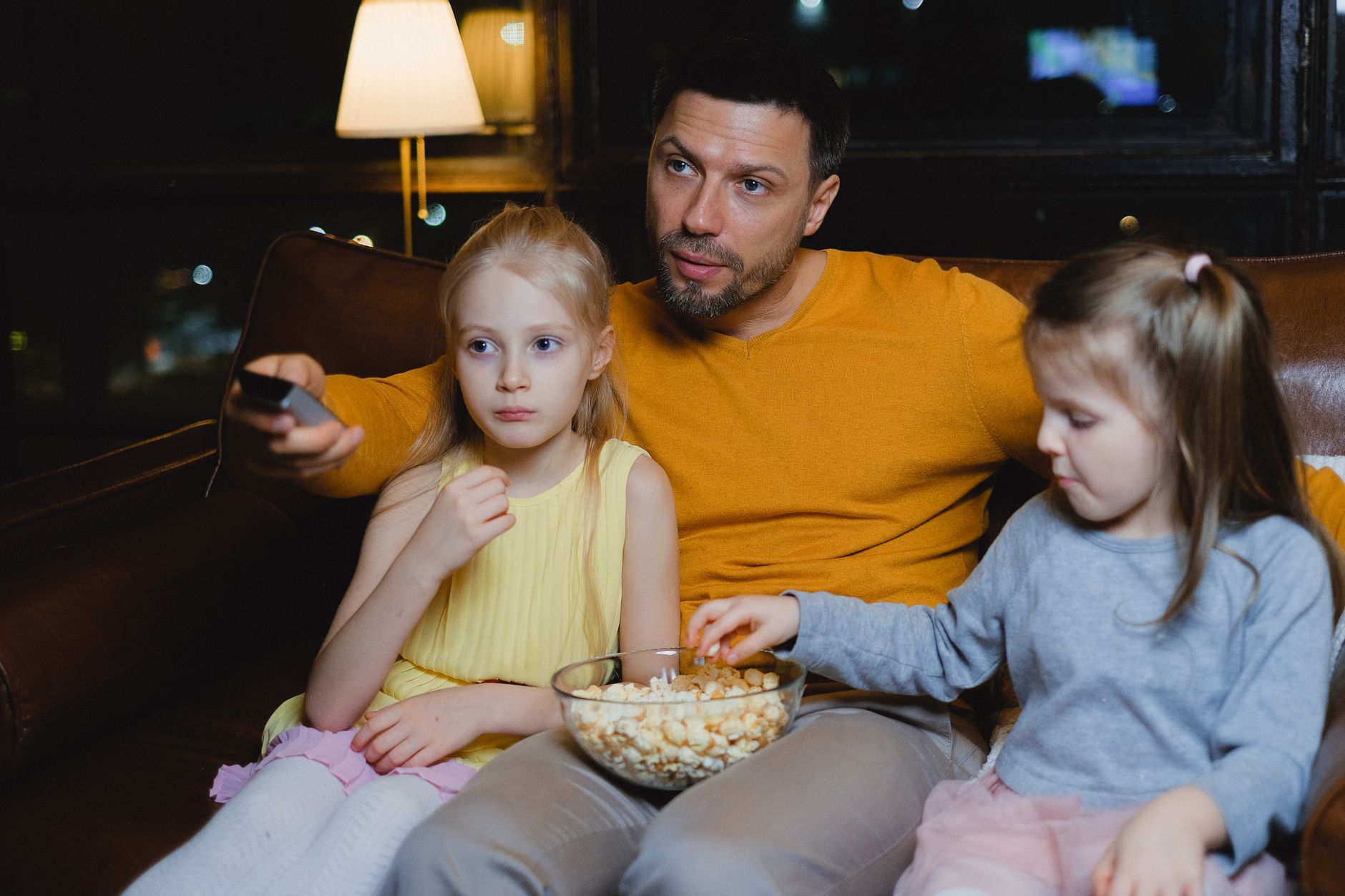
We watch it on the couch where we spent the afternoon, perhaps with someone we know well, with the cat walking across the screen and dinner still on the table. It is less solemn and, precisely for that reason, sometimes more intimate.
Some films benefit enormously from this closeness. An indie feature, a documentary, a comedy, or a story we might have hesitated to pick for a "big night out" at the cinema can find the perfect setting at home.
The real problem is when we treat the two experiences as interchangeable
Not every film needs a giant screen. Not every film works the same way on a television. And not every evening requires the same level of focus.
The interesting question is no longer “what is the best way to watch a movie?”. It is “what is the best way to watch this movie, today?”.
Sometimes the answer will be a packed theater, with phones switched off and a screen that fills your entire field of view. Other times it will be home, a blanket, pausing halfway through, and the option to replay a scene because we missed a line.
Cinema has not lost its value because the living room has improved. Quite simply, we finally have two experiences distinct enough that we do not necessarily have to declare one superior to the other.
Home and theater are no longer two rungs on the same ladder
Data shows that cinema and streaming do not necessarily cancel each other out. The European Audiovisual Observatory found that films with strong theatrical results also tend to perform significantly better on SVOD platforms: across the analyzed countries, the biggest box office hits accumulate far more streaming watch time compared to low-admission titles.
This suggests that theaters can still build awareness and cultural value, while home viewing extends the title's lifespan. The living room is no longer just a place for catch-up viewing: large screens, improved audio, on-demand catalogs, and the ability to pause or resume have created a consumption mode in its own right.
The challenge for cinema is therefore not to convince everyone to give up on home viewing, but to deliver something the home cannot replicate: scale, focus, ritual, and a collective experience.


