Binance has halted deposits and withdrawals after detecting unauthorized siphoning estimated at roughly $6.3 billion. In terms of scale, the incident is being described as the largest theft ever to hit the cryptocurrency sector and triggers an operational crisis for the exchange, which holds a significant share of the assets traded on the global market.
The platform claims to have managed to freeze approximately $3 billion of the affected assets. These are largely stablecoins, tokens designed to maintain a stable value and central to crypto market liquidity. The freeze is possible because the issuers of some of these assets retain the technical capability to blacklist addresses associated with illicit activity. However, not all the stolen funds have this characteristic.
According to Elliptic, a blockchain analytics firm, the attackers have already converted roughly $3.3 billion into assets that cannot be blocked using the same mechanism. The distinction is crucial: freezing a token is not equivalent to recovering the money, but it at least prevents it from being moved or liquidated. For the portion transferred to cryptocurrencies lacking centralized controls, the response hinges instead on the traceability of flows, the cooperation of intermediaries, and the ability to halt the exit into traditional currencies.
From a compromised laptop to a broader attack
In its initial assessment, Binance linked the incident to the compromise of a DevOps engineer's laptop. That access reportedly allowed the attacker to reach a service container and submit unauthorized withdrawal requests. Subsequent updates from the company, however, expanded the scope of the issue: the internal investigation identified additional intrusion points.
Binance is therefore urging against reducing the incident to the theft of a single employee's credentials. Richard Teng, co-CEO of the company, clarified that the operation did not depend on a simple misused authorization or a single operational step. The company also states that it has not assigned individual responsibility and has found no evidence, so far, of private wallet keys being leaked.
These details matter because they describe two very different scenarios. A compromised private key can directly compromise control of funds on the blockchain; an intrusion into an exchange's infrastructure, on the other hand, can exploit application systems, authorization processes, and internal deployment pipelines. In both cases, the outcome is severe, but the second points to a broader attack surface and requires a forensic investigation spanning endpoints, cloud environments, digital identities, and withdrawal management procedures.
The address involved has had its authorization revoked, and Binance is working with law enforcement. Suspending operations serves to contain the incident and verify the infrastructure's integrity, but it comes at an immediate cost to users and operators who are unable to move assets from the platform. The company has not provided a timeline for full restoration.
The TraderTraitor lead and the Bybit precedent
Binance has not publicly named a culprit. However, two blockchain intelligence firms, TRM Labs and Chainalysis, have linked the attack to the TraderTraitor group, connected to North Korea. The attribution therefore remains an analysis by external entities rather than an official conclusion by the exchange or authorities, yet it fits a pattern well known to investigators: North Korean groups have long made crypto platforms one of their primary targets.
The most direct comparison is with last year's attack on Bybit, in which approximately $1.5 billion in cryptocurrencies was stolen. The leap in scale marked by the Binance case is remarkable. Crypto exchanges concentrate large volumes of client assets and, when they manage custody, authorizations, and transfers internally, they become high-yield targets for campaigns that can take weeks or months of preparation.
The appeal is not just about the loot. The cross-border nature of blockchains allows assets to be moved quickly, fragmented across different addresses, and converted through various services. While the public ledger's transparency provides analysts with a transaction trail, it does not guarantee recovery on its own: intervention is needed before the assets reach conversion channels that are difficult to monitor.
The promise to refund everyone and the limits of coverage
Binance has assured that it will cover user losses. The company states it has allocated more than $6.34 billion in corporate funds to the incident, $5 billion of which is reportedly already held in the very tokens that were stolen. For the remainder, it is purchasing additional assets on the market, warning that the process may take time when token liquidity is thin and transactions must be settled.
The platform also maintains an emergency fund, valued at around $1.3 billion in the latest update cited by sources. Changpeng Zhao, co-founder of Binance and former CEO, argued that the gap to be bridged remains manageable, though he described it as painful. Yi He, co-CEO, stated that the company's annual revenue would be sufficient to absorb the impact, without providing further financial details.
For users, the reimbursement pledge mitigates the risk of direct loss, but does not eliminate operational risk. An exchange may have sufficient reserves and capital to restore balances, but the temporary suspension of deposits and withdrawals nonetheless impacts the immediate availability of assets. Furthermore, the ability to repurchase tokens on the market can be affected by market depth and trader reactions.
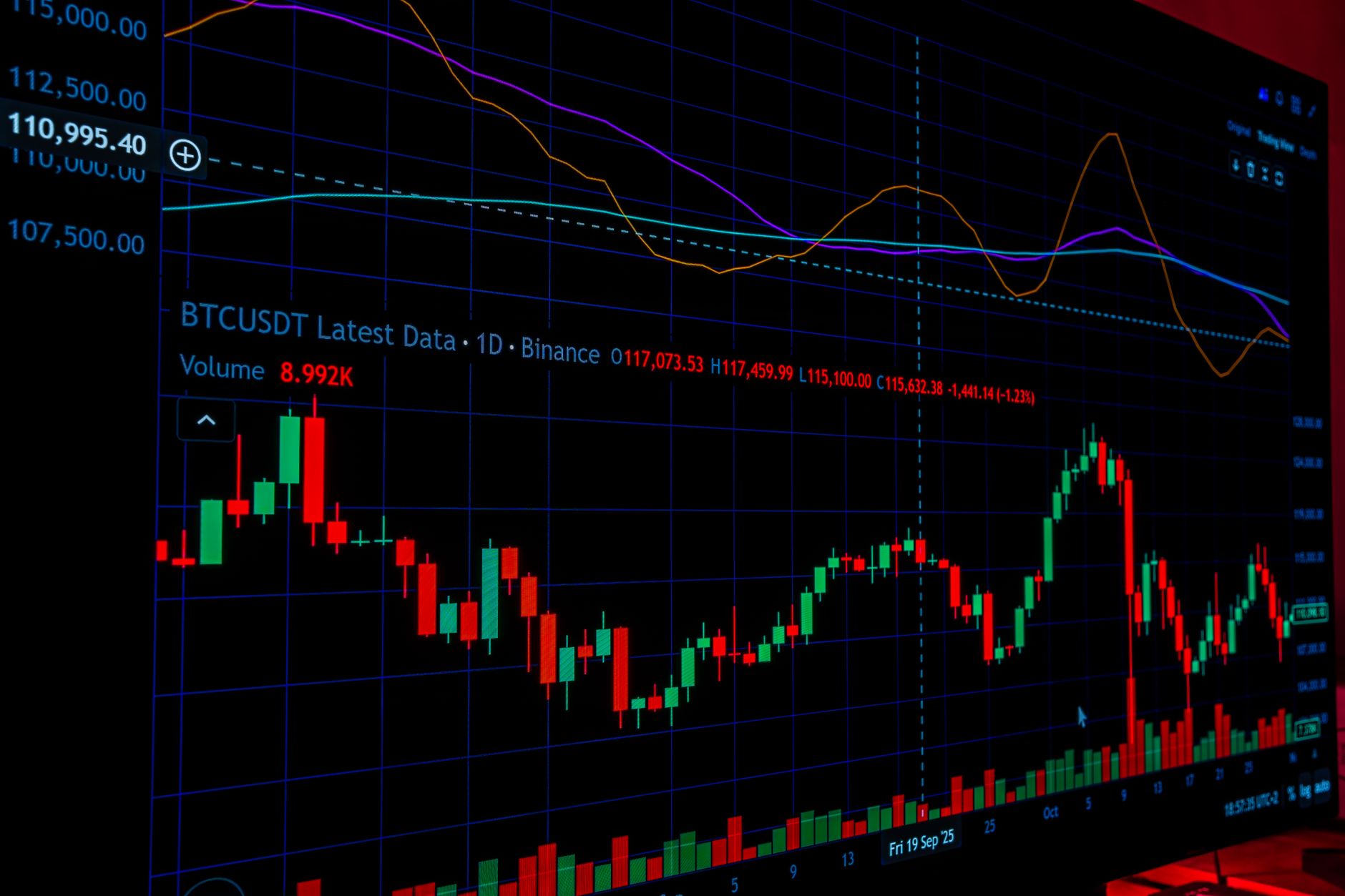
The news also weighed on prices: Bitcoin dropped around 4% in the hours following the emergence of the attack, before regaining ground above $78,000. The move comes during an already fragile phase for the sector, following the sharp downturn late last year that wiped more than $1 trillion from the aggregate market capitalization of thousands of tokens.
For Binance, the incident also comes at a time when regulatory trust remains a sensitive issue. In 2023, the company pleaded guilty in the United States to anti-money laundering violations and agreed to a $4.3 billion penalty. The current episode is of a different nature, but it once again brings to the forefront how assets are custodied and how much exposure users maintain to a single intermediary.
In the coming days, attention will focus on three key elements: the actual extent of the breach, the share of funds that can be frozen or recovered, and the conditions for fully resuming operations. The investigation will also need to clarify whether the attack exploited technical vulnerabilities, procedural errors, or a combination of both. Meanwhile, the incident highlights a structural limitation of centralized custody: even in an ecosystem built on distributed ledgers, the concentration of assets and operational powers within a single platform remains an extremely attractive target.