BMW is preparing a gear shift in the most accessible segment of its electric lineup as well. A camouflaged prototype of the upcoming iX1 has been spotted testing at the Nürburgring and, despite bodywork and a front end still concealed by wraps and temporary panels, hints at a clear direction: the compact electric SUV is expected to drop its X1-derived architecture to align more closely with the new Neue Klasse family.
The clearest resemblance is to the new iX3. Less so in terms of proportions, which are inevitably more compact, than in its visual identity: cleaner surfaces, a simplified front end, and a slimmer reinterpretation of the traditional BMW grille. This is a significant shift, as the iX1 is by no means a marginal model in the brand's strategy: it serves as the entry point to BMW's electric lineup in the SUV format, appealing to both families and the premium fleet market.
The spy shots do not reveal every detail of the production model. Camouflage, cladding, and temporary components can obscure the design of headlights, taillights, bumpers, and air intakes. Nonetheless, the overall message appears clear: BMW wants to make its next-generation electric vehicles instantly recognizable, ensuring they no longer look like mere battery-powered variants of models originally engineered around an internal combustion engine.
From a facelift to a dedicated platform
The current iX1, launched in 2022, shares its platform with the combustion-powered X1. It is a common strategy across the industry, useful for keeping development times and investment in check during the transition to electric mobility, but it comes with compromises: the architecture must accommodate different powertrains rather than being engineered from the ground up around the battery, power electronics, aerodynamics, and cabin of an EV.
For the next generation, BMW is expected to turn to the dedicated Neue Klasse electric platform instead. The company has not yet released final specifications for the new iX1, meaning range, charging speeds, battery capacity, and interior dimensions remain to be confirmed. However, the shift in underpinnings points to an evolution far deeper than a mid-cycle refresh. The distinction is also significant on an industrial level: a dedicated platform allows investments in software, batteries, and high-voltage components to be amortized across multiple models, while offering greater design freedom.
BMW has already indicated that it will launch or update 40 models by 2027 as part of the Neue Klasse overhaul. The iX1 looks set to become one of the building blocks through which this program will reach higher-volume segments, following its debut on higher-end models like the iX3. For the Munich-based manufacturer, it is not merely about standardising design: it is an attempt to roll out next-generation features across the entire lineup, including the bracket where price and running costs weigh most heavily on purchasing decisions.
Efficiency and charging are the real test
The new setup is expected to translate into improvements in efficiency, range, and EV charging times, but it would be premature to quantify this outlook. The current lineup includes, among others, the iX1 eDrive20 and iX1 xDrive30: BMW reported WLTP figures of up to 512 and 417 kilometres for these trims, respectively. These figures apply to the models currently on sale and cannot be used to anticipate the performance of the car spotted on the track.
In an electric compact SUV, however, efficiency is more than just a spec sheet detail. Better space utilisation for the battery, more advanced energy management, and faster charging can impact everyday usability far more than styling cues. This is where BMW must prove how substantial the shift to Neue Klasse really is: the segment is increasingly crowded, and premium buyers expect the extra cost to translate into tangible benefits during journeys, charging stops, and onboard life.
The Nürburgring, in this sense, is a useful but not definitive place to interpret the project. Testing on the circuit and surrounding roads serves to validate chassis setup, cooling, braking, energy recovery, and system reliability under high loads. It does not necessarily indicate a sporty focus for the future iX1. Rather, it signals that development is far enough along to take the vehicle beyond closed test facilities.
A more digital cabin, with a few unknowns
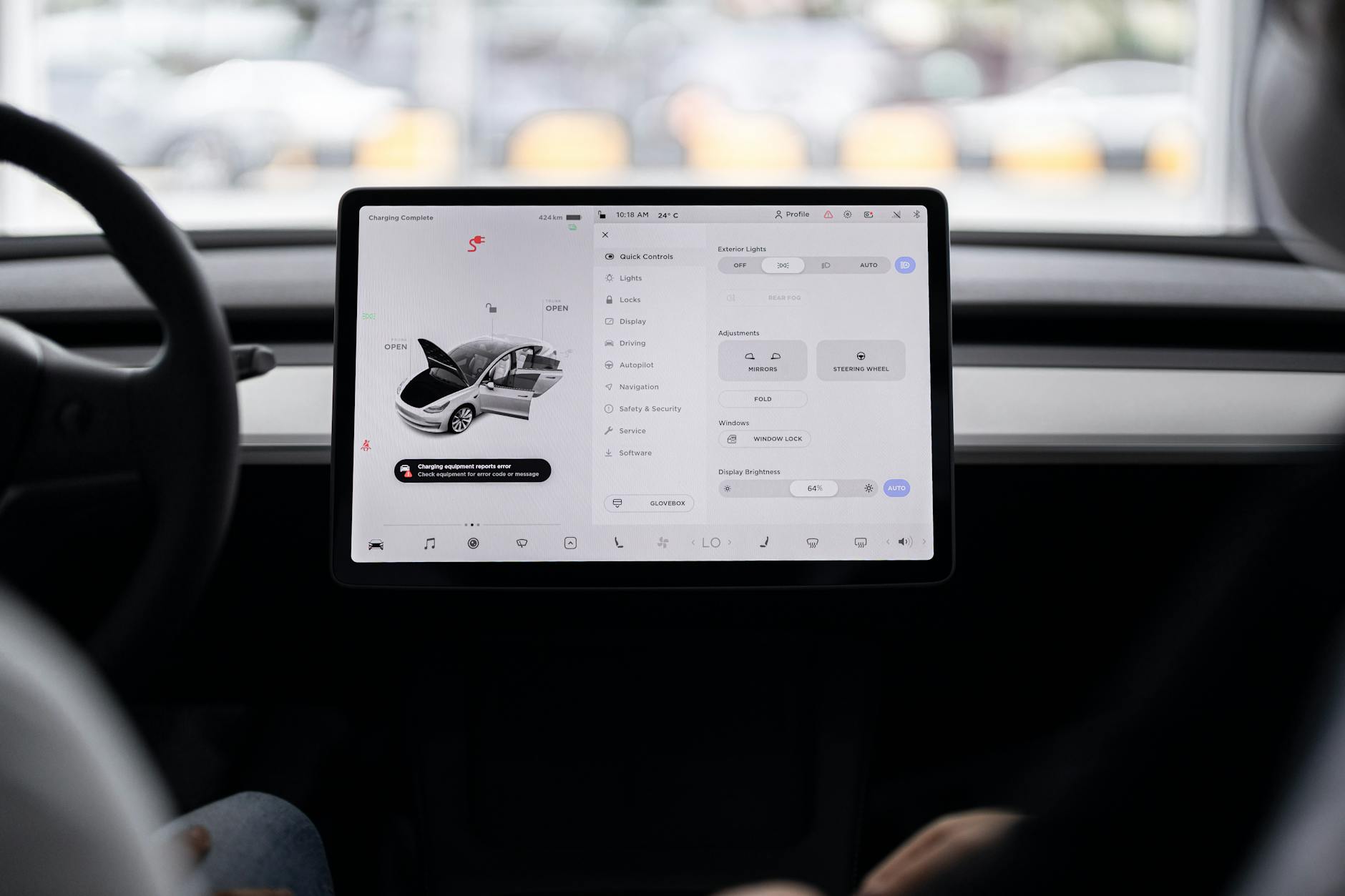
The transformation is expected to continue inside. The Neue Klasse introduces a layout based on a large 17.9-inch central display, a redesigned steering wheel, and the Panoramic Vision system, which projects information across the base of the windshield. BMW has also shown a 3D version of the head-up display. It is not yet known which elements will carry over unchanged to the iX1, nor whether the model will adopt the exact same configuration presented on the iX3: segment, price point, and cabin architecture could lead to differentiated solutions.
However, the issue goes beyond the mere display setup. Shifting controls and functions toward software alters the user experience, but requires an interface that does not complicate routine actions while driving. For BMW, the challenge will be to preserve the ergonomics traditionally associated with the brand while expanding the role of digital updates, information displays, and connected services.
Meanwhile, the expansion strategy extends beyond SUVs as well. During Capital Market Day on September 29, BMW announced the arrival in 2028 of a new entry-level electric model in the Neue Klasse family. Expectations point to a sedan called the i1, which would sit alongside the iX1 and offer the group a lower, aerodynamically more advantageous option in the same market segment.
No official details have emerged regarding the launch or sales timeline for the upcoming iX1. BMW does not sell the model in the United States, so its path will be tied primarily to markets where compact electric SUVs hold significant weight, led by Europe. The spy shots do not yet resolve the unknowns regarding pricing, powertrain variants, and equipment, but they make one thing clear: the Neue Klasse will not remain confined to showcase models. For BMW, it will also have to deliver when it becomes the brand's entry-level electric car.