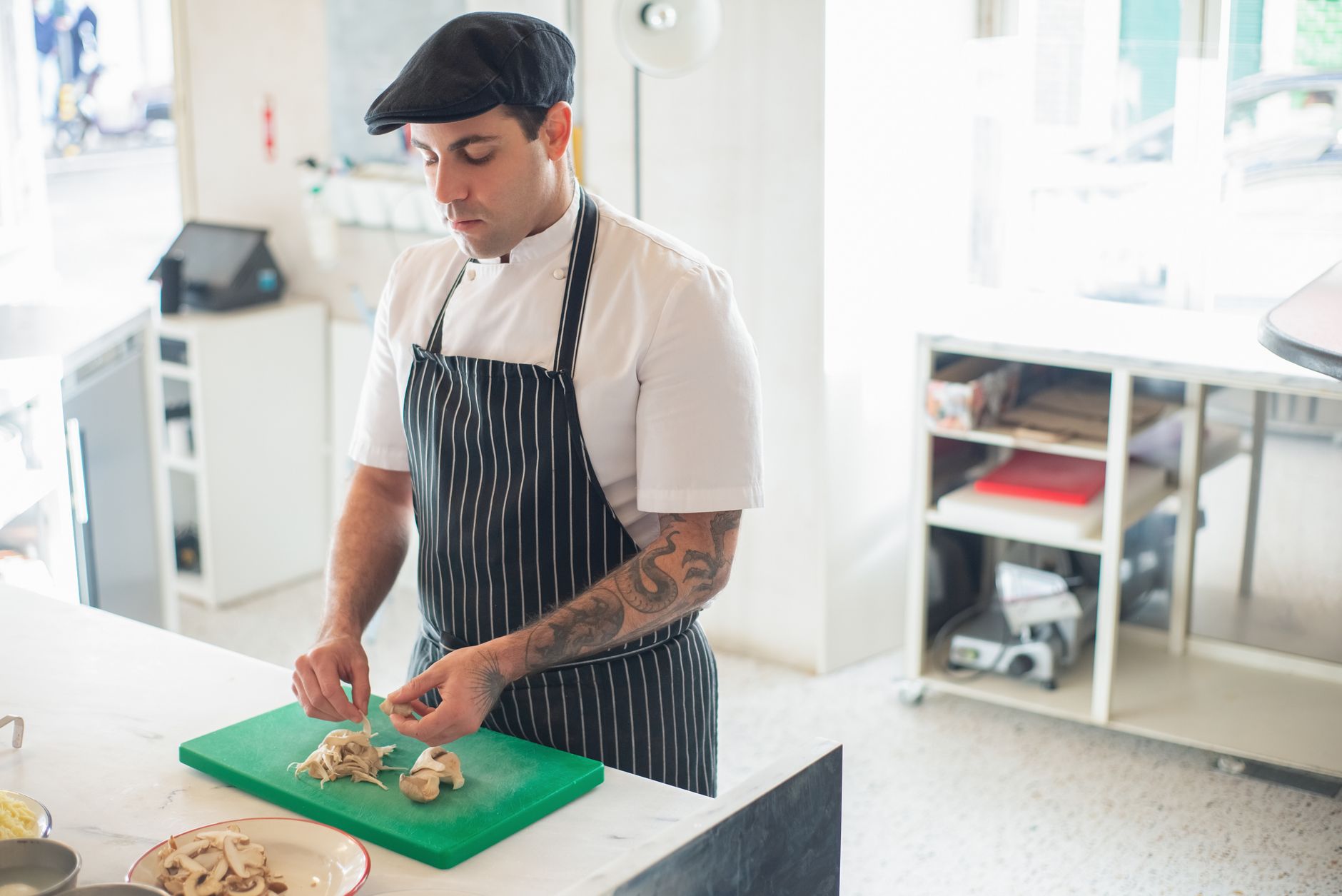
Species of the day, origin when indicated, seasonality, and simple preparations help gauge whether the restaurant genuinely focuses on the raw product. The goal is to build a lasting method, not highlight a single offer that will quickly expire.
Where to start
Define your objective, budget, and constraints before comparing options. If rates, availability, or contractual conditions come into play, always check the most up-to-date version on the official website.
How to choose the venue
Narrow it down by area, price range, hours, and cuisine type. A legible menu, clear prices, recent reviews, and consistent offerings are more reliable indicators than popularity alone.
What to really evaluate
Ingredients, seasonality, turnover, menu clarity, service, and value for money shape the experience far more than the venue's reputation.
Mistakes to avoid
Don’t settle for the first option, don’t rely on a single review, and don’t overlook terms that could change. Evergreen guides work precisely when they separate methodology from temporary data.
What’s really worth it
The best choice is the one that effectively meets your primary need with clear costs and trade-offs. If two options are similar, favor the one that is easier to change, cancel, or replace.
Final checklist
- You have defined the actual need.
- You have compared at least three comparable alternatives.
- You have verified up-to-date pricing, terms, or availability.
- You have considered costs and limitations over time.
Rule of thumb: Species of the day, origin when indicated, seasonality, and simple preparations help gauge whether the restaurant genuinely focuses on the raw product.