BreakingTechEN

How an eSIM works and when it makes sense over a physical SIM

Activation, dual SIM, travel, and transfer: a practical guide to eSIMs and their limitations compared to traditional cards.

Redazione

September 11, 2026 · 19:21

Translated from the Italian original: Italiano. This English edition was produced automatically and reviewed by our newsroom tools.

Share

How an eSIM works and when it makes sense over a physical SIM
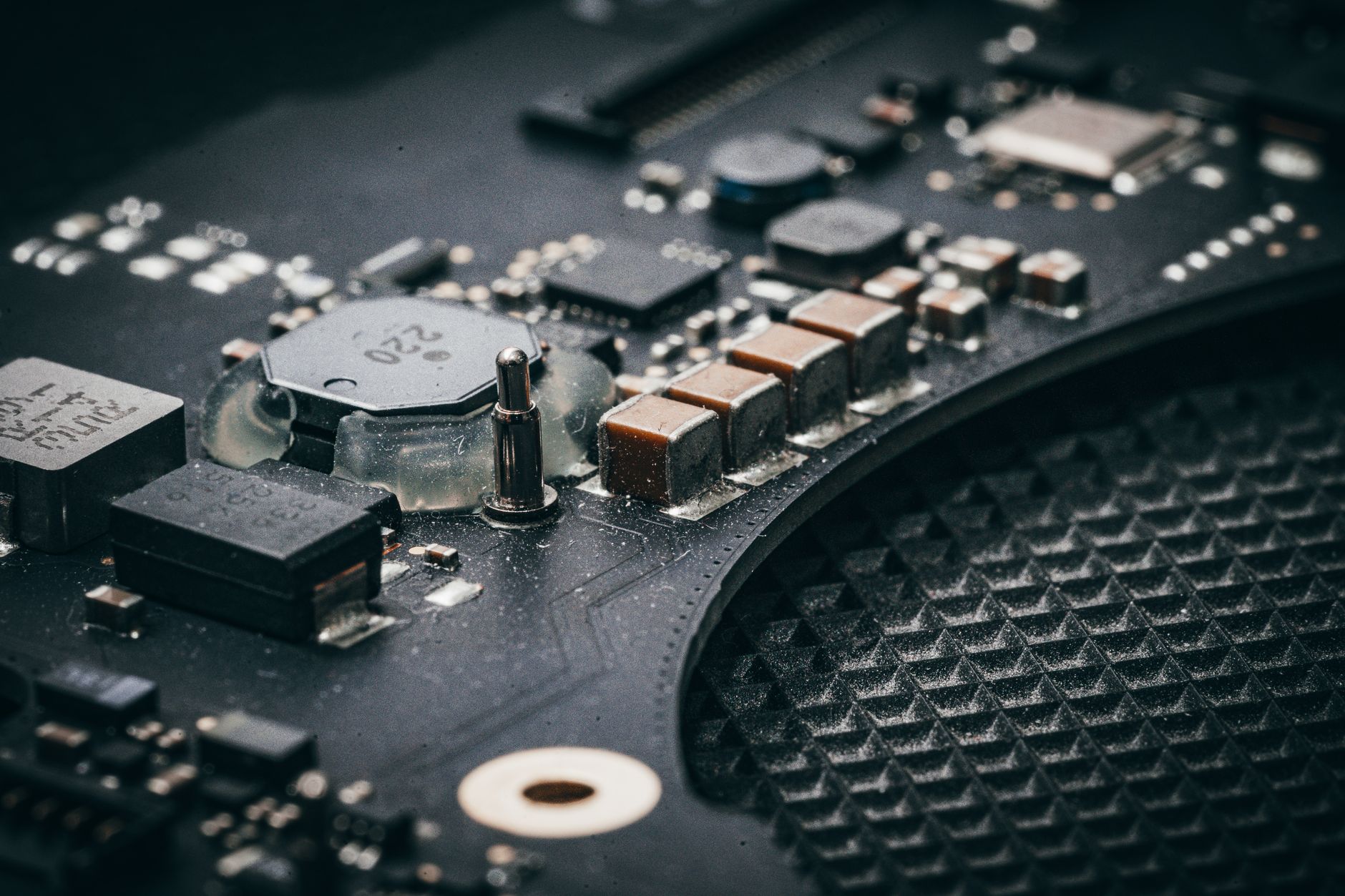
Photo: Jakub Pabis · Source · Pexels License

An eSIM replaces the removable card with a component integrated into the device on which an operator profile is installed. For the user, the result is a mobile line without having to physically insert a new card.

Activation

The operator provides a QR code, an app, or a digital procedure. The phone downloads a profile containing the necessary network information.

Dual SIM

Many devices can hold multiple profiles and use two lines simultaneously, subject to hardware limitations. It is useful for separating work and personal numbers or adding a data plan while traveling.

Travel

International eSIMs allow you to purchase data before departure and activate the profile upon arrival. Before buying, check the network used, tethering, duration, and data allowance.

Transfer

Transferring an eSIM to a new phone can be simple or require a new activation, depending on the operator. Do not take it for granted that it works just like moving a physical card.

Lost Phone

You cannot pull out the SIM and immediately insert it into another device. You need access to the operator's procedure, but at the same time, a thief cannot easily remove the line to disrupt certain tracking features.

Compatibility

Phone, operator, and plan must all support it. Some devices sold in different markets have different configurations.

The eSIM makes connectivity more software-based and less physical. It is particularly convenient for anyone switching plans or traveling, provided you know the recovery procedure before you need it.