BreakingTechEN

How to choose a soundbar: channels, subwoofers, Dolby Atmos, and real limitations

A guide to soundbars: 2.1, 3.1 setups, surround sound, Dolby Atmos, eARC, dialogue, and subwoofers to truly improve your TV audio.

Redazione

September 11, 2026 · 19:24

Translated from the Italian original: Italiano. This English edition was produced automatically and reviewed by our newsroom tools.

Share

How to choose a soundbar: channels, subwoofers, Dolby Atmos, and real limitations
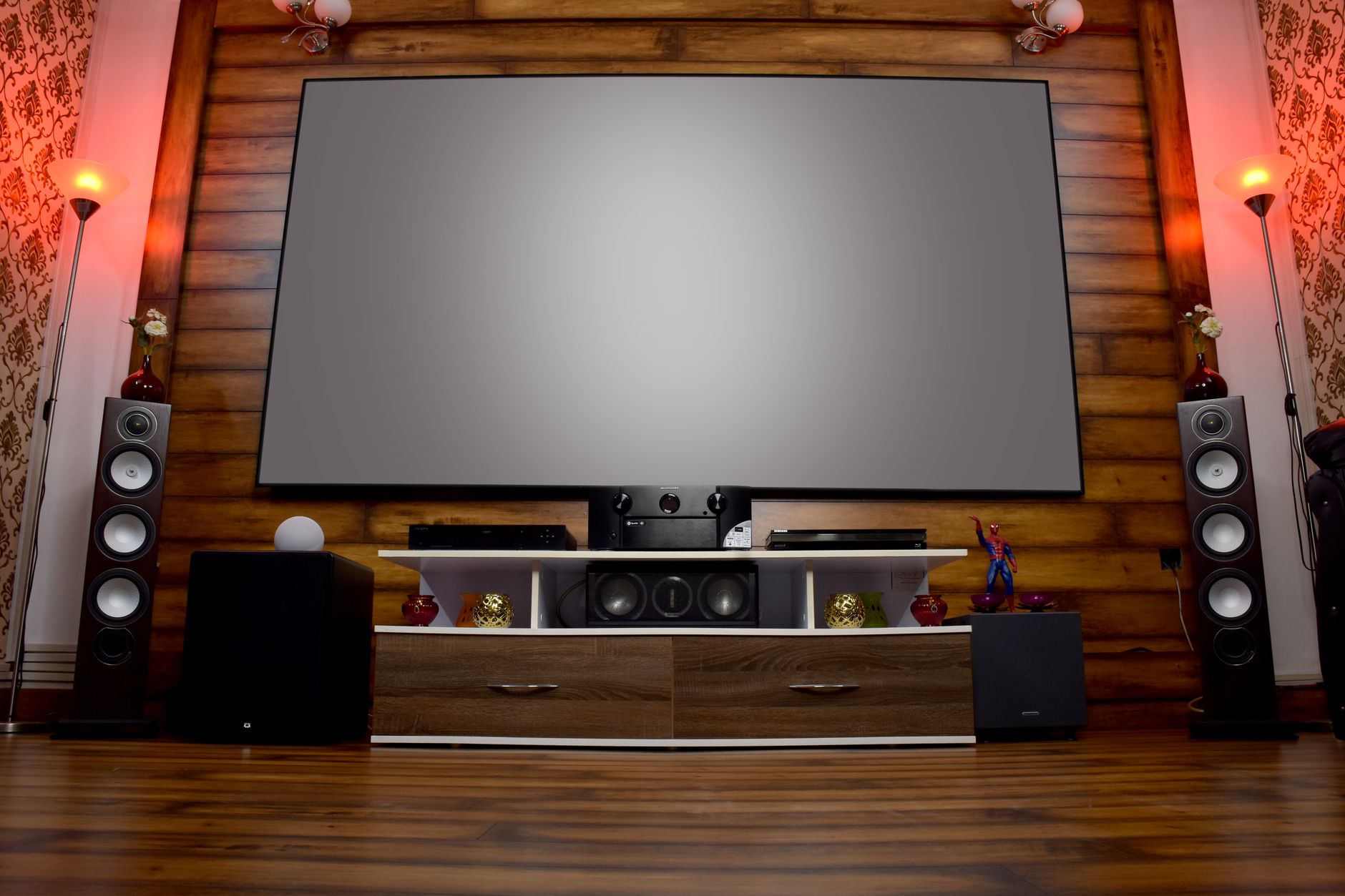
Photo: Avinash Kumar · Source · Pexels License

A soundbar is built to solve a concrete problem: modern televisions are slim and have little room for large speakers. But the category spans very different products, from simple stereo bars to systems with subwoofers and rear satellites.

2.0, 2.1, 3.1 and beyond

The first number indicates the main channels, the second the subwoofer. A dedicated center channel can improve dialogue intelligibility, while rear satellites enable more convincing surround sound than virtual processing alone.

Dolby Atmos

Atmos describes an object-based audio format. A soundbar can reproduce it via up-firing drivers, satellites, or virtualization. The presence of the logo does not guarantee the same performance across all models.

The room matters

Very high or sloped ceilings can reduce the effect of drivers reflecting sound upwards. Walls and sofa placement also impact virtual surround.

eARC

HDMI eARC simplifies the connection between TV and soundbar and allows high-bandwidth audio formats to be transmitted. Check that both the TV and the soundbar support the required features.

Subwoofer

A separate sub adds low-frequency extension and makes movies and concerts more convincing. In an apartment, however, very deep bass can travel through walls and floors.

Dialogue

Dedicated voice modes can help, but a good mix and a well-designed center channel matter more than a simple preset.

Music

A soundbar optimized for cinema does not automatically replace a well-positioned pair of stereo speakers. Those who listen to a lot of music should test its balance and soundstage.

Making the right choice starts with the problem: unclear dialogue, lack of bass, or a desire for surround sound. Buying more channels than needed does not guarantee a better experience.