BreakingTechEN

Used EVs: what to check before buying and how to assess the battery

Buying a used electric car requires specific checks: battery state of health, charging, remaining warranty, software, and vehicle history.

Redazione

September 11, 2026 · 19:21

Translated from the Italian original: Italiano. This English edition was produced automatically and reviewed by our newsroom tools.

Share

Used EVs: what to check before buying and how to assess the battery
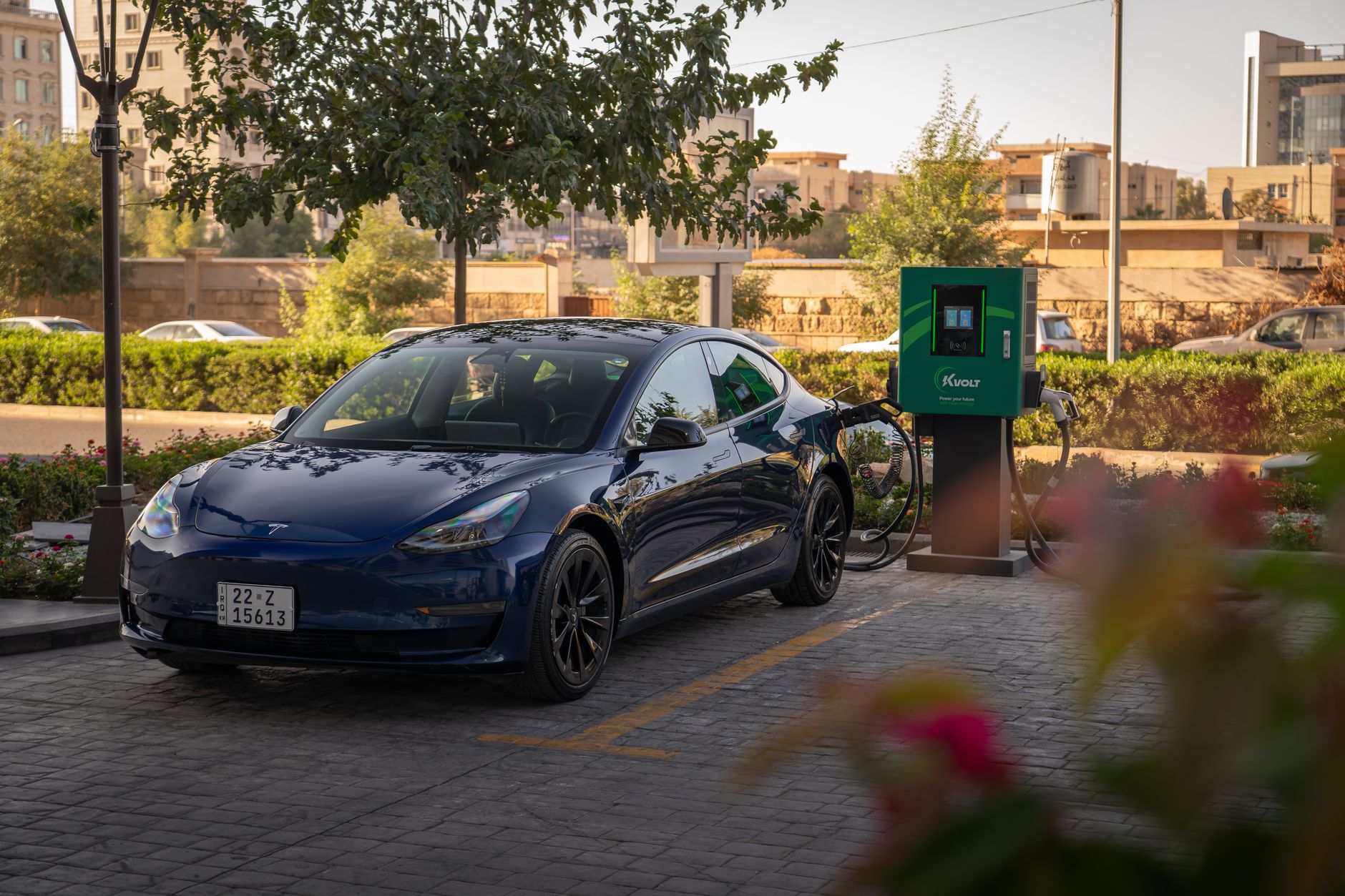
Photo: 04iraq · Source · Pexels License

The used electric car market is growing alongside the number of vehicles completing their first leasing or ownership cycle. For buyers, the most important question is not just how many kilometres the car has covered, but the condition of the battery and how well-suited it remains for its intended use.

Battery State of Health

The most frequently cited metric is State of Health, which attempts to describe remaining capacity relative to when the battery was new. Not all manufacturers display it in the same way, and a single number does not tell the whole story. It is advisable to request an official or independent diagnostic report whenever available.

Observed range

The figure shown on the instrument cluster is an estimate based on recent driving and environmental conditions. It should be evaluated alongside remaining capacity and real-world consumption. A test drive over a familiar route can be much more useful than a snapshot of the range displayed while stationary.

Fast charging

Check that the DC port works properly and that the car achieves charging speeds consistent with the model and battery condition. An issue with fast charging can be far more disruptive than a slight loss of range, especially for long-distance drivers.

Remaining warranty

Many manufacturers offer dedicated battery warranties covering a set number of years or kilometres. You need to check the terms, transferability to a new owner, and the guaranteed capacity threshold.

Software and updates

In modern vehicles, software impacts efficiency, navigation, charging, and thermal management. Check that the car is up to date and that any recall campaigns have been performed.

Tyres, suspension, and brakes

The weight of the battery pack can accelerate wear on tyres and suspension components. Mechanical brakes, used less frequently thanks to regenerative braking, can instead suffer from corrosion if rarely engaged. These are standard checks, but with slightly different wear patterns.

Factoring in future use

A car with an 85% battery may be perfectly suited to someone covering short daily distances, yet less practical for frequent motorway drivers. Battery condition only truly makes sense in relation to your required range and charging access.

Used electric vehicles can offer great value, but they require replacing some old inspection habits with new checks. The battery is no mystery: it is a component to measure, document, and compare against your needs.