BreakingTechEN

Weekly TV series or binge-watching: which format tells a story better?

Releasing everything at once transformed streaming, but many platforms are returning to a weekly cadence. An editorial on attention, conversation, and writing.

Redazione

September 11, 2026 · 19:24

Translated from the Italian original: Italiano. This English edition was produced automatically and reviewed by our newsroom tools.

Share

Weekly TV series or binge-watching: which format tells a story better?
Photo: Avinash Kumar · Source · Pexels License

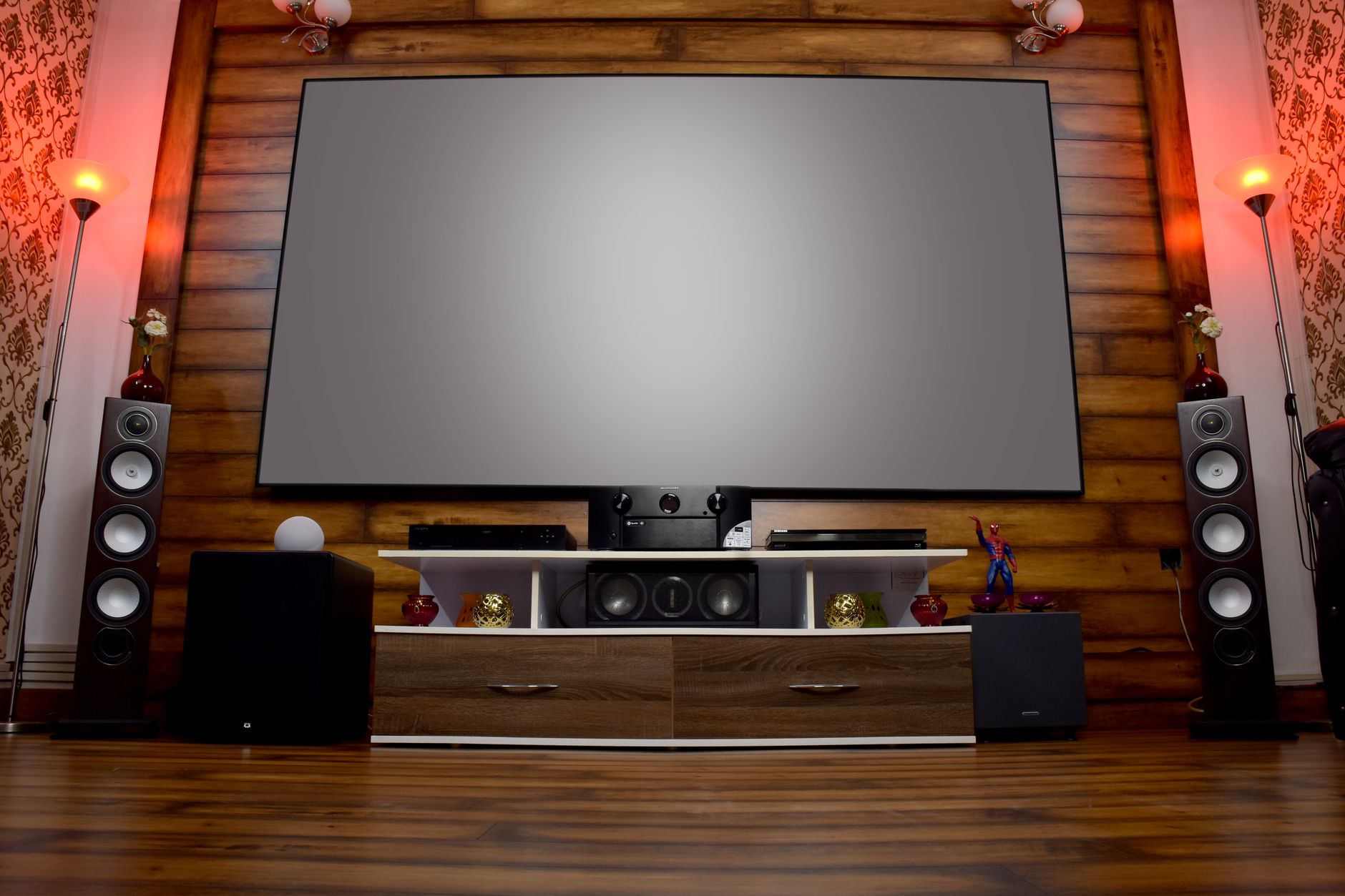
Binge-watching was one of the defining symbols of the early streaming era. An entire season made available overnight felt like the definitive liberation from broadcast schedules. Today, many platforms have returned to weekly releases or hybrid models.

Binge-watching gives viewers control

Viewers can dictate the pace and pauses. Serialized plots become easier to follow because details and cliffhangers stay fresh in memory.

Weekly releases drive conversation

One episode at a time leaves room for theories, reviews, and discussions. For a platform, it keeps the title visible for longer and can reduce subscriptions activated for just a few days.

Writing changes

A series conceived for binge-watching can tolerate episodes that function primarily as bridges. On a weekly schedule, each episode often needs to offer more standalone satisfaction.
Spoilers

An all-at-once release triggers a race: anyone who doesn't watch immediately risks spoilers. A weekly release keeps the audience more in sync, even if it doesn't eliminate the problem.

Time and memory

Waiting can deepen attachment or cause details to be forgotten. Watching everything at once can create immersion, but makes individual episodes less distinct.

There is no single best format

Episodic comedies, thrillers, reality shows, and complex dramas all move at different paces. Distribution should serve the structure of the content rather than enforce a one-size-fits-all rule.

Streaming promised to free us from the calendar. It is now discovering that the wait was not merely a technological limitation: it could be part of how a story lived with its audience.

Continue exploring