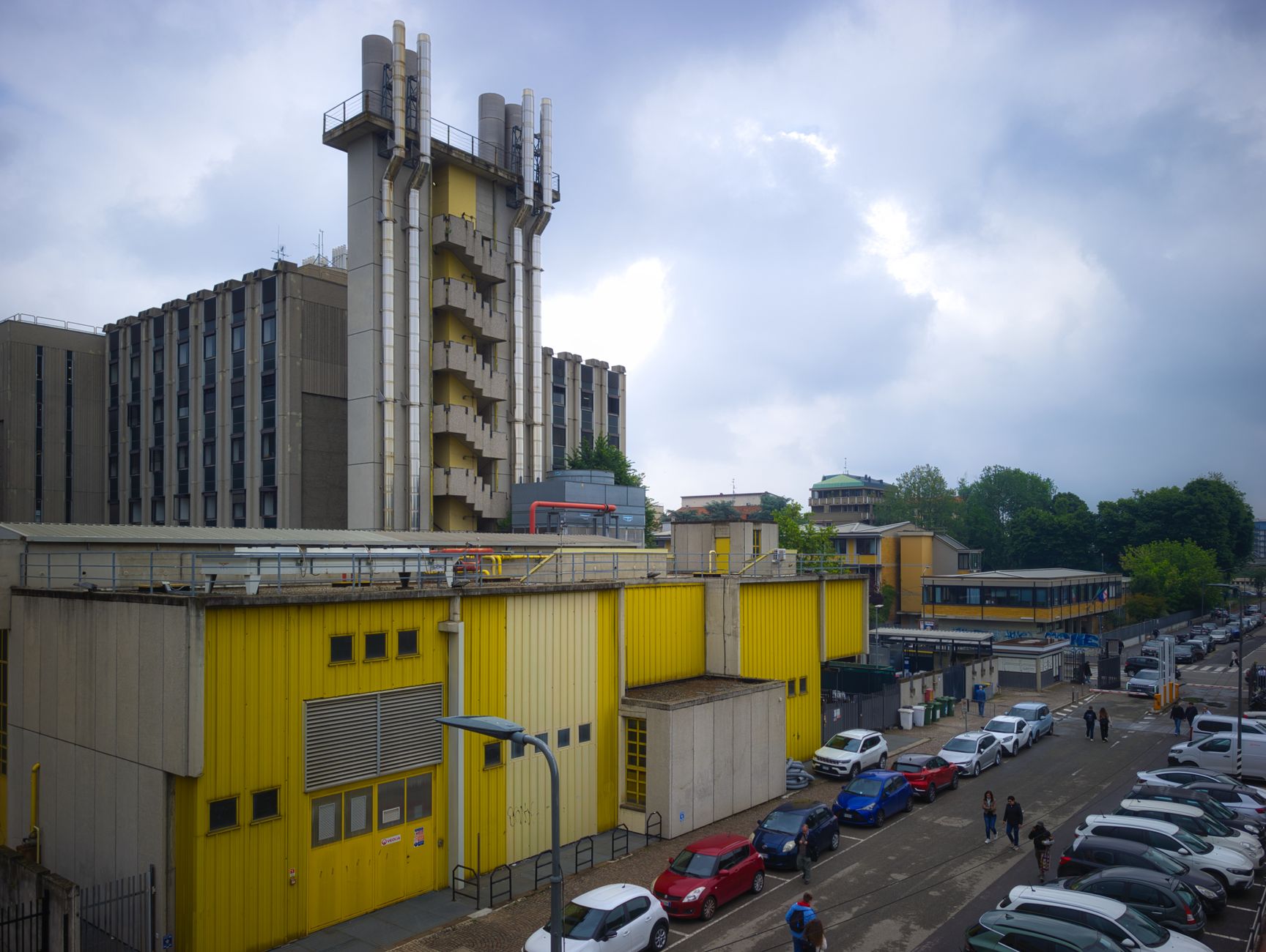
Before the subway, the bike, and the car, almost every urban journey involves a section on foot. The sidewalk is therefore the infrastructure that connects all the others. Yet it is often treated as residual space between buildings and the roadway.
Continuity
A pedestrian route is only as good as its worst point. Ten perfect blocks do not make up for an impassable crossing or a broken stretch.
Actual width
A sidewalk may look wide on a blueprint and become narrow once poles, trash bins, outdoor tables, scooters, and tree roots are added. The meaningful measurement is the space that is actually walkable.
Accessibility
Ramps, slopes, paving, and signage must be designed for different bodies and abilities. A step just a few centimeters high can be negligible for many and a complete barrier for others.