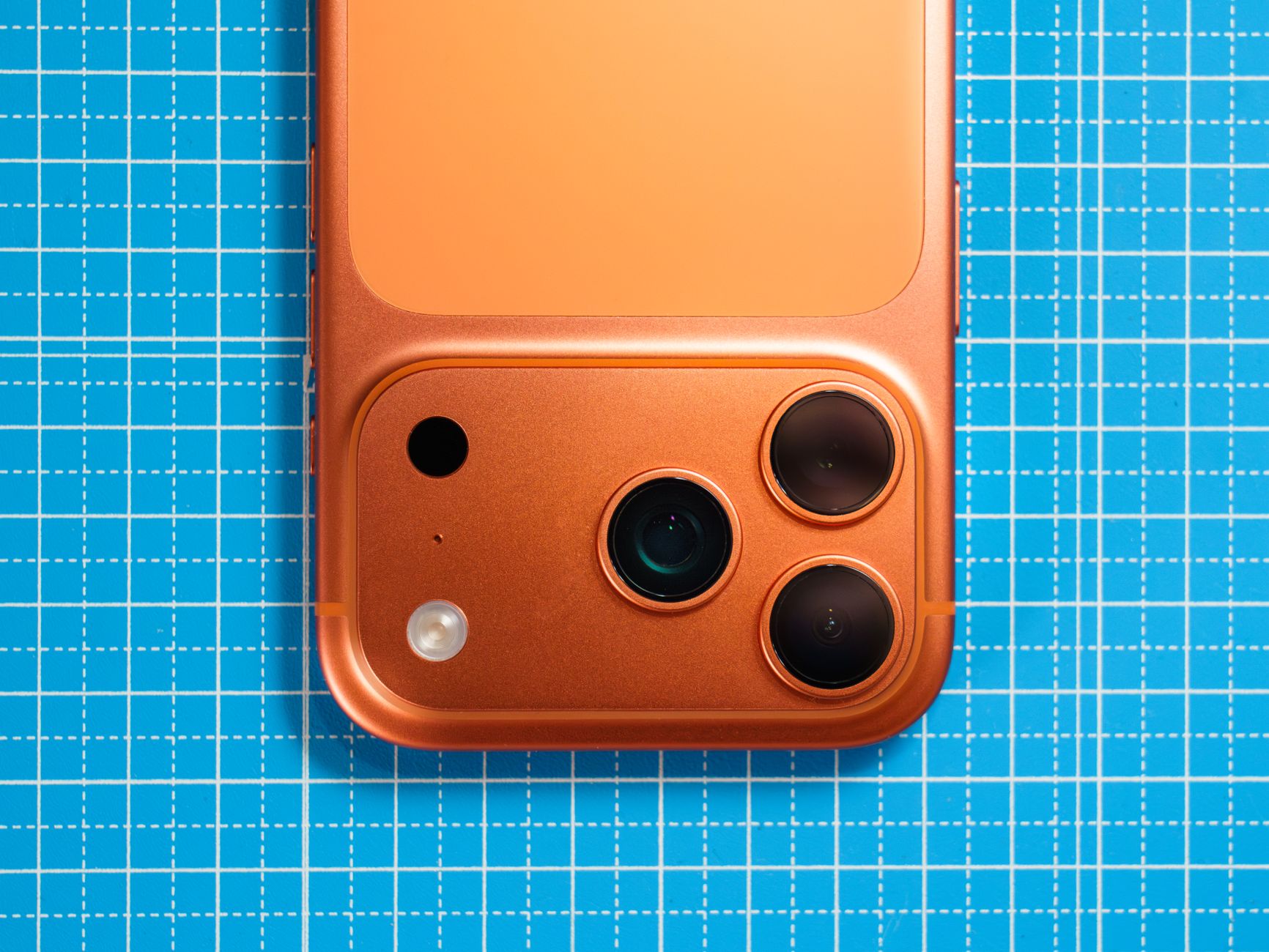
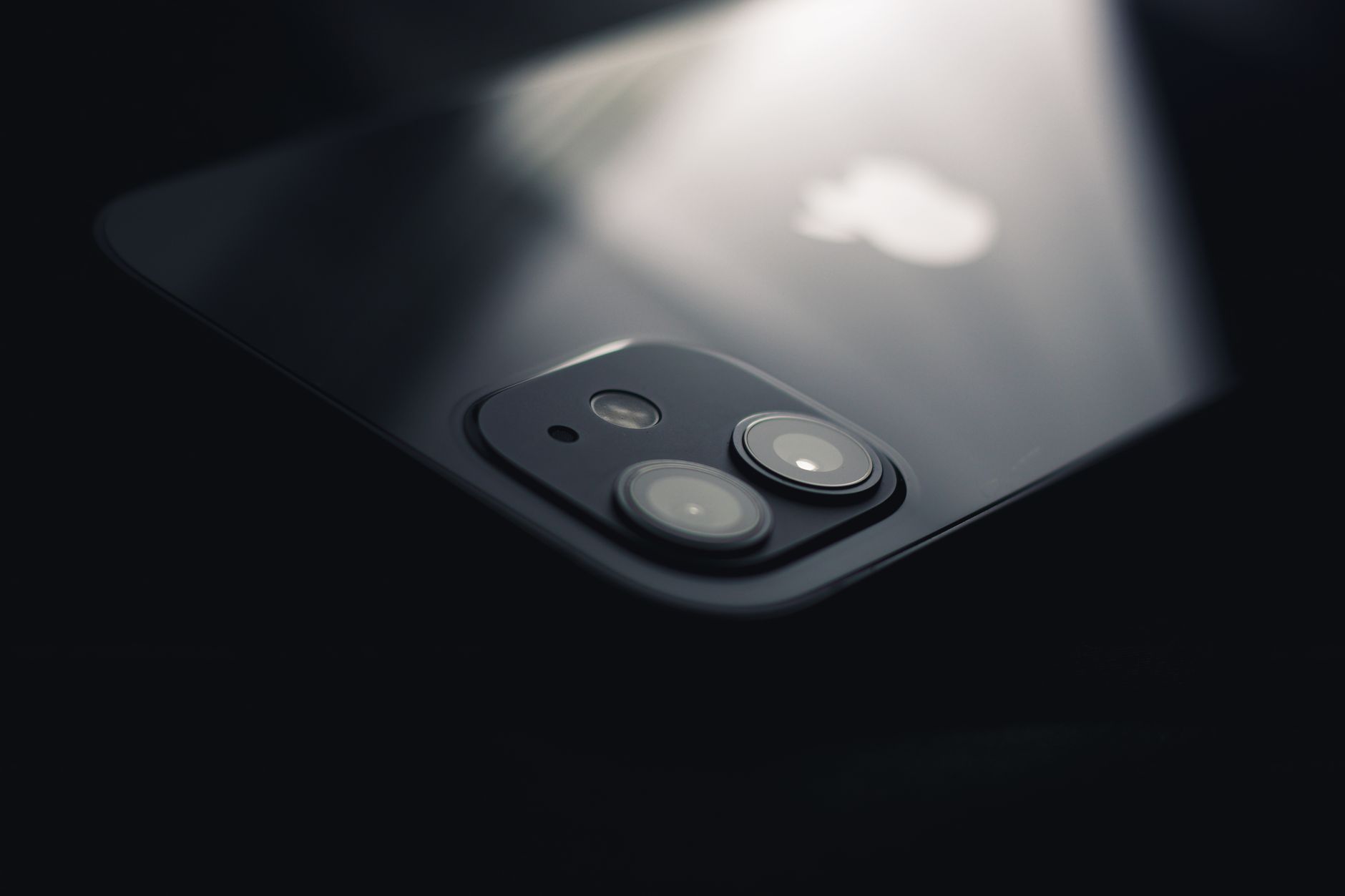
Apple put foldables front and center at its fall event with iPhone Duo, the company's first iPhone built around a foldable form factor. The launch arrives in a market where Samsung and other manufacturers have been experimenting for years with devices that seek to merge a smartphone with a larger screen. For Apple, entering the space now means turning what has so far been a relatively niche category into a test for the entire iOS ecosystem.
Not just a new iPhone
A foldable device forces a rethink of the interface, multitasking, continuity across different screen sizes, and app behavior. The real impact of iPhone Duo will therefore also depend on developers. If applications effectively leverage the extra screen real estate, the product will be able to offer a truly distinct experience; if they simply scale up the traditional interface, the advantage will remain largely confined to the hardware.
Apple raises expectations in the foldable market
The company’s entry increases pressure on competitors and suppliers of displays, hinges, and components. It can also bring greater visibility to a category that has so far had to win over skeptical consumers regarding the trade-offs between price, durability, and everyday utility.
Adoption will be the real test
The debut does not guarantee that foldables will become the new standard. Sales, long-term reliability, and the quality of apps will determine whether iPhone Duo marks the beginning of a new product family or remains a premium, more selective lineup.